

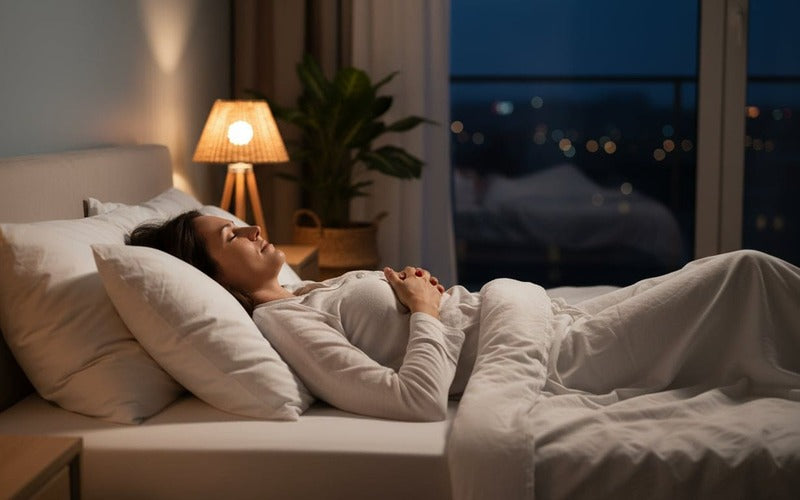
But there is a way to bring peace back to your bedroom, transforming it into a sanctuary of rest. This guide will reveal simple and effective techniques, from breathing exercises and meditation, to creating a personalized evening ritual, all designed to offer you that home peace, essential for a deep and restorative sleep.
Why I can't sleep at night: understanding the causes of insomnia
In the evening, when the peace of home reigns and the whole family is getting ready to rest, sometimes sleep is slow to come. For many, the bed becomes a place full of restless thoughts, and the question "why can't I sleep at night?" obsessively returns. Insomnia, far from being a mere occurrence, is often a sign of deep imbalances between the body, mind, and the environment in which we live.
The main causes of insomnia can be divided into three main categories: psychological factors, physiological factors, and environmental elements. Stress, anxiety, or worries brought home from work are some of the most frequent reasons why I can't sleep, despite fatigue.
In such moments, the increased level of cortisol – the main stress hormone – disrupts the natural sleep cycle, known as the circadian rhythm. The mind remains alert, and complete relaxation becomes difficult, even if the peace of home reigns around.
Besides stress, various medical conditions – from hormonal disorders and digestive problems to chronic pain or thyroid conditions – can affect sleep quality.
Sometimes, even a simple cold or sleep apnea contributes to fragmented rest. Medications for various diseases can, in turn, have side effects that interfere with falling asleep or maintaining continuous sleep.
Not infrequently, the environment in which we sleep sabotages our nights. A bedroom that is too hot, too bright, or noisy can break the thread of home peace so necessary. Specialists recommend a temperature between 16 and 19°C for a truly restful sleep, as well as avoiding contact with blue light emitted by phones or tablets before bed. This slows down the secretion of melatonin, the hormone that induces sleep, thus prolonging the unwanted waking period.
From a neurological perspective, insomnia can be acute – related to stressful events, major changes, or temporary difficulties – or chronic, lasting over three months and often requiring personalized management strategies.
Acute insomnia frequently occurs during periods of transition: moving, losing a job, relationship problems, or traumatic events. This usually resolves once the trigger factor disappears.
Chronic insomnia, on the other hand, becomes an independent problem, even if the initial cause has disappeared, and requires a more complex approach.
Behind every sleepless night, there is a specificity for each person, so understanding these factors becomes essential if you want to find solutions for authentic rest, in the warm atmosphere of home. Identifying the most important sources that disrupt sleep allows not only for treating insomnia, but also for creating a relaxation routine adapted to your personality and needs.
In the following sections, you will discover techniques and habits that will help you gradually return to that feeling of home peace, essential for rest.
Now that we have identified the possible causes of insomnia, it is time to focus on creating an environment conducive to sleep. In the next section, we will explore the fundamentals of sleep hygiene, providing you with the necessary tools to transform your bedroom into a true sanctuary of rest.
Sleep hygiene: the fundamentals of restful sleep
Every home should be a haven of comfort, and the bedroom is the heart of this intimate space. To enjoy a restful sleep, sleep hygiene becomes a cornerstone. The concept refers to habits and rules that, put into practice, increase the quality and continuity of sleep.
A first step towards peace is optimizing the resting environment. The ideal bedroom is cool – between 16 and 19°C –, dark, and quiet. A comfortable mattress, suitable pillows, and soft bedding enhance the feeling of home, inviting the body to relax.
It is important that the room is ventilated, and light sources are eliminated or attenuated to a minimum; blue light from devices delays sleep, so try to avoid them in the hours before bedtime.
Other basic rules for sleep hygiene involve a consistent routine. Try to go to bed and wake up at the same times, even on weekends. This way, your body's internal clock adjusts naturally, and the process of falling asleep gradually becomes easier.
An evening routine that leans towards relaxing activities, such as reading or listening to calm music, helps in the natural transition to sleep.
Artificial light is often a hidden enemy of sleep, so dim the lighting and avoid exposure to screens at least an hour before bed. Also, avoid heavy meals or stimulants like coffee and alcohol in the second half of the day.
The bed should be reserved exclusively for sleep and intimacy – not for work, eating, or watching series. This mental association reinforces the connection between the bedroom and rest.
By respecting these principles, you create the feeling of safety, peace, and protection associated with "home," thus facilitating a deep and restorative sleep. Next, you will discover breathing techniques designed to complement this relaxing atmosphere in the bedroom.
Now that we have laid the groundwork for a sleep-friendly environment, it's time to explore simple yet powerful techniques that can help us relax our body and mind. In the next section, we will discover various breathing exercises, from the 4-7-8 technique to diaphragmatic breathing, which will guide us towards a peaceful and restful sleep.

Breathing techniques for sleep: from breathing exercises to the 4-7-8 technique
When worries remain at the bedroom door, but thoughts still don't settle down, breathing exercises can become the simplest tool to restore inner balance. Such techniques train the body to transition from "alert mode" to the natural state of calm, conducive to sleep.
The 4-7-8 technique, developed by Dr. Andrew Weil, stands out for its effectiveness in calming the nervous system. Based on stimulating the parasympathetic nervous system, this method balances the heart rate and induces a profound state of relaxation. To practice this technique:
Inhale slowly through your nose for 4 seconds. Hold your breath for 7 seconds, feeling the calm settle in. Exhale slowly through your mouth for 8 seconds – as if blowing peace over the entire house. Repeat the cycle at least four times, gradually increasing the number of repetitions as you get used to the technique.
Diaphragmatic breathing exercises are another path to peace. Lie on your back, with one hand on your chest and the other on your abdomen. Inhale deeply, feeling your abdomen rise, then exhale slowly, releasing any trace of stress from your body. By engaging the diaphragm, breathing becomes slower and deeper, sending clear signals to the body that it's time for rest. This technique is especially useful for those who breathe superficially due to anxiety or muscle tension accumulated in the chest area.
Another effective method is "box breathing," even used by performance athletes to maintain calm in moments of pressure. Inhale for 4 seconds, hold for 4 seconds, exhale for another 4 seconds, then hold your breath for another 4 seconds. Repeat five or six times – the mind becomes calmer, like a home at the end of the day. This technique creates a uniform rhythm that helps focus attention and reduce intrusive thoughts.
From yoga practices also comes Bhramari Pranayama breathing. This involves inhaling through the nose and exhaling by emulating a bee's hum, with eyes closed and palms gently covering the ears. The vibrational sound relaxes the nervous system and confers a state of peace similar to that found only in the intimacy of one's own home. The sound vibrations have a direct calming effect on the brain, reducing excessive mental activity.
Whether you choose one or more of these techniques, consistent practice will transform breathing into a simple but powerful ritual, naturally integrating into your evening routine and offering you home peace, no matter how tumultuous the day. Start with a few minutes each evening and you will notice how the body responds more and more quickly to these relaxation signals.
Now that we've learned how to calm our body through breathing, it's time to focus on calming the mind. In the next section, we will explore various meditation for sleep and mental relaxation techniques that will help us let go of agitated thoughts and prepare for a deep and restful sleep.
Meditation for sleep and mental relaxation techniques
Sometimes, physical peace is not enough – the mind also needs to be brought "home," away from the daily turmoil. Meditation for sleep and mental relaxation techniques offer this return to oneself and to inner comfort.
Mindfulness, the most common form of meditation, involves observing thoughts and sensations without judging or rejecting them. Sitting comfortably, with eyes closed, you can bring your attention to your breath or to ambient sounds – without trying to control them, but merely observing them. This slows down the pace of thoughts and allows the brain to slow down its activity just like in a quiet house at sunset. When the mind wanders – and it will wander, because that's how it works – gently bring your attention back to your breath, without frustration or self-criticism.
The body scan technique involves a gentle mental scan of each part of the body, starting from the toes and progressively moving up to the crown of the head. You notice tensions or discomfort, then allow each area to relax.
This deep connection with the body brings you peace, similar to the feeling of safety you have within the walls of your home. You can spend a few seconds or even a minute on each area, breathing into it and releasing any rigidity.
Progressive muscle relaxation is another suitable method, especially when you feel like you're carrying the entire burden of the day to bed with you. You tense each muscle group for 5-10 seconds, then release quickly.
Each relaxation becomes a step towards that restful sleep you deserve. Start with clenched fists, then arms, shoulders, face, abdomen, buttocks, thighs, and calves. The contrast between tension and relaxation makes the release even more evident.
For those who respond better to mental imagery, visualization meditation brings calm: imagine a beloved place, a corner of "home" or a cabin in nature, and relive the sensations of peace, safety, and warmth.
The mind registers these protective sensations, thus facilitating falling asleep. You can visualize sensory details – the smell of wood, the sound of footsteps on grass, the warmth of the sun on your skin – to make the experience as vivid as possible.
If you are drawn to repetition, transcendental meditation uses a mantra – repeating a soothing word or phrase – for as long as you feel the need. Unlike mindfulness, this technique aims to induce deep relaxation, immersing the mind in the natural and simple rhythm of home. Choose a word without strong emotional connotations – "peace," "calm," "home" – and repeat it mentally, allowing the sound to carry you.
Regardless of the chosen variant, meditation integrated into the evening routine builds, night after night, a bridge between the state of alertness and deep rest, conferring that rare feeling of home peace, both physically and mentally.
Now that we've learned how to calm our minds through meditation, it's time to focus on relaxing our bodies through conscious movement. In the next section, we'll explore various yoga poses and exercises that will help us release muscle tension and prepare for a deep and restful sleep.

Yoga for sleep: poses and relaxation exercises
Just as every room in your house plays a role in relaxation, certain yoga for sleep poses can transform your bedroom into a sanctuary of comfort, preparing your body for a peaceful sleep. Yoga for sleep emphasizes conscious movement, deep breathing, and presence, designed to reduce muscle tension and calm the nerves.
One of the most comforting poses is Balasana (Child's Pose). This brings a sense of protection – knees to chest, forehead on the floor or a pillow, arms relaxed. The entire body surrenders, like a maternal embrace, and deep breathing accentuates the distribution of oxygen and calm. Stay in this pose for 3 to 5 minutes, breathing deeply and allowing the weight of your body to sink into the floor.
Supta Baddhakonasana (Reclined Bound Angle Pose) – lying on your back with the soles of your feet together – helps relax the hips and open the inner thighs, releasing accumulated tension.
You can support your knees with pillows for extra comfort. Viparita Karani, the legs-up-the-wall pose, stimulates circulation and eases the feeling of heavy legs after a long day. This gentle inversion calms the nervous system and reduces swelling in the extremities.
Savasana (Corpse Pose) is indispensable, where you lie completely flat, palms facing up and eyes closed. This pose allows every muscle to surrender, to "lay down its arms," thus preparing the body for a smooth transition to sleep. Although it seems simple, Savasana requires practice to achieve complete relaxation – let each part of your body become heavy and melt into the surface you are resting on.
Restorative yoga sequences include all these poses and can be performed at home, with extra pillows or blankets. Imagine your room as a space for relaxation, free from any pressure – the comfort of home becomes the dominant atmosphere and relaxation flows naturally, like a routine before sleep. You can also add Supta Matsyendrasana (Supine Spinal Twist) to release tension from the spine and facilitate digestion.
Incorporate yoga for sleep into your evening ritual and you will feel not only your body, but also your mind entering that state of deep peace, specific to moments spent in the safety and warmth of your own home.
Now that we've learned how to relax our bodies through yoga, it's time to focus on creating a sleep-conducive atmosphere through sounds and aromas. In the next section, we'll explore the benefits of evening relaxation music and aromatherapy, which will help us transform our bedroom into a sanctuary of rest.
Evening relaxation music and aromatherapy for sleep
Just as the sound of rain on the roof or the fresh scent of linen provides comfort at home, evening relaxation music or aromatherapy can transform the sleep routine into an authentic sensory experience, enhancing home peace.
The right evening relaxation music for pre-sleep relaxation has a slow rhythm, preferably between 60 and 80 beats per minute. Simple melodies, without sudden changes or intense lyrics, encourage the mind to let go of the day's worries.
You can try natural sounds – a forest at sunset, waves breaking on the shore, or birds chirping at dawn. Ambient music or slow classical compositions have the same calming effect, inviting you into a state of peace and security.
Binaural frequencies are a special category of therapeutic sounds. They work by presenting slightly different frequencies in each ear, creating an auditory perception that influences brainwaves.
Delta (0.5-4 Hz) and theta (4-8 Hz) frequencies are associated with deep sleep and intense relaxation. Many apps and platforms offer such recordings specifically designed for sleep.
Aromatherapy adds comfort and relaxation to the bedroom. Essential oils of lavender, chamomile, or ylang-ylang are classic choices for sleep – their subtle scents support relaxation and reduce stress levels.
Whether you use a diffuser or gently massage your temples with diluted oil, the olfactory ritual goes beyond the simple physical act, imprinting a positive association with connecting to home and tranquility in your memory.
Lavender contains linalool and linalyl acetate, compounds that have demonstrated sedative effects in clinical studies. A few drops on your pillow or in a diffuser can reduce anxiety and improve sleep quality.
Chamomile, with its anti-inflammatory and calming properties, perfectly complements lavender. Ylang-ylang reduces blood pressure and heart rate, preparing the body for rest.
By combining a soothing tune with a favorite aroma, you build a holistic atmosphere where every sense participates in establishing a state of well-being. Thus, the evening routine becomes a celebration of domestic comfort, of that home where rest is respected and cherished.
Now that we've learned how to create a sleep-conducive atmosphere through sounds and aromas, it's time to focus on natural remedies for insomnia that can help us fall asleep more easily. In the next section, we'll explore various natural sleep herbs and calming teas, which will offer us a gentle and natural alternative to sleep medications.

Natural remedies for insomnia: natural herbs for sleep and calming teas
In Romanian lands, natural remedies for insomnia have always held a place of honor in traditional homes. Whether you choose natural herbs for sleep from the garden or buy them from a health store, there are numerous gentle options to promote deep sleep, without the risks often associated with conventional medications.
Valerian, also known as "sleep root," is valued for its natural sedative effect. Its active compounds – valerenic acid and valepotriates – act on the nervous system, reducing anxiety and making it easier to fall asleep.
Prepare tea for insomnia from dried root or use standardized extract, respecting the doses indicated on the packaging. The effects appear gradually, after 2-4 weeks of consistent administration, so patience is essential.
Chamomile, a symbol of home peace, contains apigenin, which calms the nervous system. A cup of chamomile tea, drunk half an hour before bed, facilitates the transition to sleep.
Lemon balm (melissa), with its delicate lemon aroma, is considered the "calm heart" herb and is often used with valerian for a synergistic effect. The combination of the two herbs amplifies each other's sedative properties.
Linden and passionflower, as well as lime blossom, complete this range, being especially recommended for those who experience persistent emotional tension. Passionflower increases the level of gamma-aminobutyric acid (GABA) in the brain, a neurotransmitter that reduces neuronal activity and induces relaxation. For optimal effect, steep the infusion for 7-10 minutes, without using boiling water, and avoid sugar or artificial sweeteners.
Marjoram and St. John's Wort are two other traditional Romanian plants used to calm nerves. Marjoram contains compounds that relax smooth muscles and reduce spasms, while St. John's Wort has mild sedative properties and helps calm the digestive system – useful when gastric discomfort disrupts sleep.
Dosage varies depending on the plant and the form of administration. For teas, a teaspoon of dried plant per cup of water is sufficient. For extracts or tinctures, always follow the manufacturer's instructions. Do not exceed recommended doses, even if the effects seem weak initially – plants need time to manifest their properties.
Remember, however: even plants, although natural, can cause side effects or interact with existing treatments (e.g., valerian with sedatives). If you have doubts or suffer from chronic diseases, seek advice from a doctor or pharmacist before starting a natural sleep regimen. Pregnant or breastfeeding women should avoid most sedative plants without prior medical consultation.
A warm cup of tea, drunk in soft pajamas and an armchair in your favorite corner of the house, completes the atmosphere of relaxation and safety. Thus, you bring tradition and the spirit of "home" into every evening, honoring sleep as a blessing.
Now that we've discovered the power of plants and calming teas, it's time to focus on creating a personalized pre-sleep relaxation routine to prepare us for a restful sleep. In the next section, we'll explore various activities and habits we can include in our routine, transforming restless evenings into moments of peace and relaxation.
Pre-sleep relaxation routine: how to create your perfect evening ritual
Every person has their own rhythm, every home – a unique atmosphere, and a pre-sleep relaxation routine is the subtle bond that helps you cross the threshold between activity and rest. A well-structured ritual signals to the body and mind that it is time to slow down, to stop the daily rush, to be embraced by the peace of home.
Ideally, you should start this routine at least an hour before bedtime, allowing all your senses time to adjust. You can opt for a warm bath with Epsom salts – magnesium relaxes muscles and lowers anxiety levels, facilitating sleep. The water temperature should be pleasantly warm, not hot, and the bath duration – between 15 and 20 minutes. After the bath, your body temperature gradually drops, signaling to your brain that it's time for sleep.
Reading a book, preferably in warm light and not on a screen, is another way to calm your thoughts. Choose pleasant but not overly captivating reads – you want to relax, not stay awake until 3 AM to find out the ending. Poetry, short essays, or soothing prose are suitable choices.
Listen to calming music or nature sounds, do some light stretching exercises or yoga. Set a consistent bedtime and wake-up time, even on weekends; this consistency strengthens your circadian rhythm, and your body will naturally adapt to resting times. Even an hour or two deviation on weekends can disrupt this delicate rhythm, making Monday mornings even more difficult.
Avoid heavy meals, coffee, alcohol, or strong artificial light in the hour before sleep. Replace them with soft lighting (a discreet lamp, a scented candle).
If your thoughts are racing, write them down in a journal along with plans or gratitudes from the day – this way, your mind relaxes and doesn't carry them to bed. This technique, called "brain dump," clears mental space and reduces anxiety about unfinished tasks.
An atmosphere of comfort and security is essential: invest in soft pajamas and bedding, suitable pillows, and a mattress that supports rest. Each such detail transforms your pre-sleep routine into an authentic ritual for the soul, inspiring the peace of home you deserve at the end of the day.
You can also include a moment of gratitude – think about three things you are grateful for that day. This practice shifts the focus from worries to appreciation, creating a positive emotional state before sleep.
Now that we've learned how to get restful sleep, it's time to focus on diet and how it can influence our sleep. In the next section, we'll explore various foods and drinks that can help us fall asleep faster and enjoy a restful sleep.

Diet and sleep: what to eat and drink for quick sleep
A light dinner, made of natural ingredients, can significantly influence the quality and speed with which you fall asleep. Reiterating the idea of home comfort, choose foods that support calm and induce rest.
Tryptophan, an essential amino acid, stimulates the secretion of serotonin and melatonin. You can find it in foods such as turkey, fish, cheeses or almonds, but also in rice, bananas and warm milk.
Serve them 2-3 hours before bed, possibly combining them with boiled vegetables or whole grains for a complete effect. Complex carbohydrates facilitate the transport of tryptophan to the brain, amplifying its effect.
Other recommended foods are cherries (rich in natural melatonin) and avocado or spinach, excellent sources of magnesium – a mineral that relaxes the nervous system. Nuts, especially walnuts, contain melatonin and omega-3 fatty acids that support brain function. Kiwi has been shown in studies to improve sleep quality and duration, probably due to its high content of serotonin and antioxidants.
A light evening snack can prevent blood sugar drops during the night, thus avoiding sudden awakenings or the need to go to the fridge in the early hours. Choose balanced combinations: yogurt with honey and almonds, banana with peanut butter, or whole-wheat bread with cottage cheese.
Instead, it is advisable to avoid chocolate with high cocoa content, energy drinks, coffee, green tea, or carbonated drinks after 5:00 PM. These contain caffeine and other stimulants that can prevent the onset of sleep.
Even black tea or milk chocolate contain significant amounts of caffeine – check labels and pay attention to your individual sensitivity.
Also, alcohol, although it initially promotes drowsiness, later leads to the disruption of deep sleep stages and frequent awakenings. Alcohol metabolism produces acetaldehyde, a stimulating substance that fragments sleep in the second part of the night. Heavy meals or fats, especially in the evening, slow down digestion and can cause gastric discomfort, reflux, or bloating – all disturbing rest.
Regarding hydration, a balanced water intake helps prevent dry throat or muscle cramps, but consume the last liquids at least two hours before bed, to reduce the risk of nocturnal awakenings.
If you feel thirsty before sleep, take a few small sips, not a whole glass. To learn more about what to drink to fall asleep more easily, consult our dedicated guide.
Therefore, choose simple and natural foods that inspire comfort and tranquility, complementing the atmosphere of peace you bring home every evening. Cook with fresh ingredients, avoid excessive processing, and respect your body's signals – each organism responds differently to various foods.
Now that we've learned how to influence our quick sleep through diet, it's important to know when it's time to seek specialized help. In the next section, we'll explore the warning signs of chronic insomnia and the available therapeutic options that can help us regain peaceful and restful nights.
Treating insomnia: when to seek a specialist and therapeutic options
Even though routine and natural remedies can bring much peace, there are times when insomnia becomes chronic, and individual efforts are no longer enough to enjoy peaceful nights at home. Insomnia that persists for weeks, affects daily performance, or causes severe irritability often involves more complex causes that require specialized evaluation.
Warning signs include: chronic fatigue, difficulty concentrating that doesn't disappear after a single night of poor sleep, or an increased need for sleeping pills or alcohol to fall asleep. If you experience excessive sleepiness, it's important to investigate the causes.
Specialists recommend seeing a doctor if lack of sleep lasts longer than three months and negatively affects mood or general health. Other signs requiring medical attention are: falling asleep in unusual situations (while driving, during conversations), sudden weight changes, unexplained pain, or mood swings.
In such cases, cognitive-behavioral therapy for insomnia (CBT-I) is considered the gold standard. Therapy helps you identify unhealthy relationships with sleep – from anxiety about going to bed to the habit of working in bed – replacing them with healthy and relaxing behaviors. CBT-I includes thought restructuring techniques, bedtime rules, and guided relaxation exercises.
The main components of CBT-I are: stimulus control (using the bed only for sleep), sleep restriction (limiting time spent in bed to consolidate sleep), cognitive therapy (changing dysfunctional beliefs about sleep), and sleep hygiene education. This approach has superior long-term results to medication, without side effects.
Sometimes, the specialist may recommend investigations such as polysomnography, to identify any associated disorders (sleep apnea, restless leg syndrome, etc.). These tests are performed in a sleep laboratory, where brain waves, eye movements, heart rate, breathing, and muscle activity are monitored during the night.
When the treatment of insomnia is severe and does not respond to behavioral or natural therapies, sleep medications or melatonin supplements may be prescribed temporarily, but these are not recommended long-term without medical supervision, due to the risk of dependence or side effects. Benzodiazepines and non-benzodiazepine hypnotics can create tolerance and dependence, and abrupt discontinuation can worsen insomnia.
Do not hesitate to seek help when sleep becomes a constant source of frustration. A balanced, active, and energetic life begins with restful nights, spent in the comfort and protection of your own home. Your family doctor can be the first step – they will assess the situation and refer you to a sleep disorder specialist if necessary.
Now that we've explored therapeutic options for insomnia, it's important to have emergency strategies at hand for moments when I can't sleep in the middle of the night. In the next section, we'll discover various techniques and tricks that can help us regain calm and return to sleep.
Emergency strategies: what to do when you can't sleep in the middle of the night
No matter how good your relaxation routine is, there are nights when you suddenly wake up and, suddenly, the peace of home seems to disappear. Don't panic – there are quick solutions to regain your calm and return to sleep.
First, avoid trying to watch the minutes pass – looking at the clock increases stress levels and makes time seem longer. Turn the clock face down or move it to another part of the room. Anxiety about lack of sleep often becomes more problematic than insomnia itself, creating a vicious cycle that is difficult to break.
If after about 20 minutes you can't sleep, get out of bed and move to another room with dim light. This rule, known as the "20-minute rule," prevents associating the bed with frustration and insomnia. The bed should remain a place of rest, not a battle with thoughts.
Choose calming activities: read a few pages, listen to gentle music, or focus on breathing techniques like the 4-7-8 method – inhale, hold your breath, exhale slowly, repeat. Avoid any stimulants (bright lights, phone, laptop). Blue light suppresses melatonin and signals to the brain that it's time to wake up, not sleep.
If your mind remains agitated, use thought redirection techniques: count backward from 100, imagine a soothing "at home" scene, or repeat a calming phrase. Rely on aromatherapy – a few drops of lavender on your pillow or diffusing a familiar aroma can enhance relaxation. You can also try the "paradoxical" technique – instead of trying to fall asleep, tell yourself you want to stay awake. This reversal reduces pressure and, paradoxically, facilitates sleep.
Don't criticize or scare yourself because of a less successful night. Accepting the situation and practicing self-compassion are essential to avoid turning occasional lack of sleep into a chronic problem. Think that a bad night will not have serious consequences – the body compensates in the following nights.
If nocturnal awakenings recur frequently, talk to your doctor; these may indicate other hidden medical causes that can be treated – from sleep apnea and restless legs syndrome to gastroesophageal reflux or hormonal disorders. Until then, use these strategies to bring back the peace and security of home, even in moments of sleeplessness.
Now that we've learned what to do when you can't sleep in the middle of the night, it's important to focus on maintaining peaceful sleep long-term. In the next section, we'll explore various tips and strategies that can help us prevent insomnia and enjoy restful nights, year after year.
Maintaining peaceful sleep long-term: tips for preventing insomnia
Peaceful sleep, like a house built on solid foundations, is based on habits cultivated day by day. Preventing insomnia goes beyond quick fixes and involves adopting a balanced lifestyle, in which comfort and home peace are always respected.
Most importantly, maintain a regular sleep schedule – not just during the week, but also on weekends. Consistent bedtimes and wake-up times strengthen the circadian rhythm, and the body naturally adapts to periods of rest. Even an hour or two deviation on weekends can disrupt this delicate rhythm, making Monday morning even more difficult.
Integrate moderate physical exercises into your daily routine – movement helps metabolize stress and increases the depth of sleep. Studies show that 30 minutes of moderate aerobic activity can significantly improve sleep quality. Avoid intense workouts less than 3 hours before bed, as they increase body temperature and adrenaline levels, delaying sleep.
Expose yourself daily to natural light, especially in the morning, to stimulate melatonin secretion in the evening. Sunlight regulates the biological clock and improves mood. If you work in an office without windows, try to take short breaks outside or invest in a light therapy lamp.
Reduce chronic stress through breathing techniques, yoga, meditation, or simple creative activities. Value time spent with family, moments of authentic connection, family readings, or short walks before dinner. Quality social relationships and enjoyable hobbies reduce cortisol levels and increase well-being.
Ensure a favorable sleep environment: temper noise, keep the bedroom cool, dark, and comfortable, invest in natural bedding and textiles that enhance the feeling of home. If outdoor noise is a problem, use earplugs or a white noise generator. If light penetrates through curtains, invest in opaque curtains or a sleep mask.
Avoid excessive consumption of caffeine, alcohol, or nicotine, especially in the afternoon. Pay attention to your diet and avoid late or heavy meals. Nicotine is a powerful stimulant that can disrupt sleep even in regular smokers.
Last but not least, be forgiving of difficult periods – everyone occasionally experiences less restful nights. Focusing on returning to healthy habits and maintaining a sense of home comfort is key to peaceful sleep, which you rediscover, night after night, in your own home.
By adopting these practices, home peace will accompany your evenings and sleep will become a natural experience of regeneration and well-being, a foundation for every day. View sleep as an investment in health, not a waste of time – to find out how many hours you should sleep for optimal health, 7-9 hours of nightly rest are essential for the optimal functioning of your body and mind.
Rediscover the peace of home
On the journey to restful sleep, we have explored together a multitude of techniques and strategies, from creating a conducive environment for rest and breathing exercises, to meditation, yoga, aromatherapy, and natural remedies. We have learned how to create a personalized pre-sleep relaxation routine, how to influence our sleep through diet, and when it is time to seek specialized help.
Now, the next step is to integrate this knowledge into your daily life. Experiment with various techniques and discover what works best for you. Don't be discouraged if you don't get immediate results – sleep is a complex process, and improving it takes time and patience.
Transform your bedroom into a sanctuary of rest, a place where you feel safe, comfortable, and relaxed. Leave your worries and stress at the bedroom door and allow yourself to enjoy the peace of home, that feeling of well-being you only experience in your own abode.
Remember that sleep is an investment in your physical and mental health. Prioritize it, and you will see how your life will change for the better. You will have more energy, be more focused, more creative, and happier. You will rediscover the joy of living and appreciate every moment spent with your loved ones. So, start today to create your pre-sleep relaxation routine and you will see how, gradually, you will rediscover the peace of home and the joy of restful sleep.

Leave a comment
All comments are moderated before being published.
This site is protected by hCaptcha and the hCaptcha Privacy Policy and Terms of Service apply.