

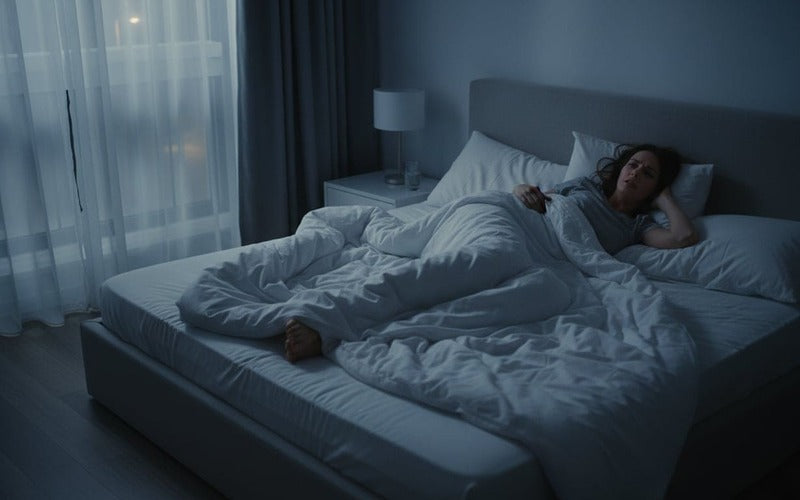
Insomnia, that lack of nocturnal 'home comfort,' affects many of us. This article offers practical advice and effective techniques to fall asleep fast, transforming your nights into an oasis of comfort and rest.
Why I can't sleep at night: the main causes of insomnia
Is the question "why can't I sleep at night?" familiar to you? You're not alone in this situation. Insomnia affects millions of people worldwide, turning nights into a constant battle for rest. Understanding the underlying causes of this problem is the first step towards finding the home comfort we all deserve.
Stress and anxiety are among the most frequent factors that prevent us from enjoying a peaceful sleep. Worries about work, financial problems, or relationship tensions activate the sympathetic nervous system, keeping the body in a state of alert. When our mind is preoccupied with various scenarios, cortisol - the stress hormone - remains at high levels, blocking the natural relaxation process necessary for falling asleep. This constant state of vigilance transforms the bed, which should be a refuge of comfort, into a place of frustration.
Physical factors also play an important role in disturbing sleep. Chronic pain, respiratory problems like sleep apnea, gastroesophageal reflux, or even certain medications can turn the night into an unpleasant experience. Our body needs physical comfort to fully relax and enter the deep stages of sleep. Feelings of discomfort keep us in a semi-wakeful state, preventing access to deep and restorative rest.
The environment in which we sleep significantly influences the quality of rest. A room that is too warm, external noises, excessive light, or even an uncomfortable bed can disturb sleep. Creating a space that inspires tranquility and comfort becomes essential for quality rest. The bedroom should be your personal sanctuary, a place where you feel protected and safe, like the feeling of home.
Daytime habits directly reflect on the quality of nocturnal sleep. Excessive caffeine consumption, late meals, lack of physical activity, or irregular schedules can unbalance the natural circadian rhythm.
This internal body clock regulates the sleep-wake cycle, and its disruption can lead to persistent difficulties in falling asleep. The modern lifestyle, with chaotic schedules and constant exposure to stimuli, creates a hostile environment for quality sleep.
Emotional disorders such as depression or generalized anxiety can generate chronic insomnia. Recurrent negative thoughts, excessive worries, or a state of profound sadness keep the brain in a state of hyperactivity that makes the relaxation necessary for sleep impossible. In these cases, treating the underlying emotional problem becomes essential for restoring healthy sleep.
To identify the specific factors that disturb your sleep, keep a sleep journal for a few weeks. Note your bedtimes and wake times, daytime activities, caffeine consumption, emotional state, and any physical symptoms.
This information will provide valuable clues about the causes of your insomnia and guide strategies for improving sleep, helping you regain home comfort every night.
Now that we have identified the possible causes of insomnia, let's explore effective techniques to fall asleep quickly and transform the bedroom into a true sanctuary of sleep.
How to fall asleep fast: effective techniques for rapid sleep onset

When you come home after a long day and want to enjoy your well-deserved peace, but sleep seems to elude you, rapid sleep onset techniques can become your most trusted allies. These simple but effective methods can help you transform your bedroom into a sanctuary of rest, where comfort and peace become a reality every night.
The 4-7-8 breathing technique is one of the most popular and accessible methods for rapid sleep onset. This technique works by activating the parasympathetic nervous system, responsible for relaxation. Here's how to practice it: exhale completely through your mouth, making a gentle sound.
Close your mouth and inhale silently through your nose, counting to four. Hold your breath, counting to seven, then exhale completely through your mouth, counting to eight. Repeat this cycle four times, feeling the tension release from your body and getting closer to the state of calm you feel at home.
Progressive muscle relaxation offers another path to peaceful sleep. This technique involves systematically tensing and relaxing different muscle groups, starting from your toes and gradually moving up to your head. Tense each muscle group for five seconds, then fully relax for 20-30 seconds.
This method helps release physical tension accumulated during the day and prepares the body for deep rest. As you practice, you will discover where you accumulate tension and learn to release it consciously.
Visualization techniques can transform the mind into a space of calm and serenity. Imagine a place that inspires peace – it could be a quiet beach, a sunny forest, or even your own home on a perfect morning. Focus on sensory details: the sound of waves, the smell of flowers, the feeling of the sun's warmth on your skin.
This practice directs attention to pleasant images, removing stressful thoughts that prevent falling asleep. The brain responds to these mental images as if they were real, triggering physiological relaxation responses.
Mindfulness, or conscious attention, teaches you to focus on the present moment without judging or analyzing. Observe your natural breathing, body sensations, or soothing sounds around you.
When your mind begins to wander to the worries of the day, gently bring your attention back to the present. This practice calms excessive mental activity and facilitates the transition to sleep, helping you find the inner peace necessary for rest.
Body scanning is a technique that combines mindfulness with physical awareness. Start from the top of your head and gradually move down, observing each part of your body. Feel the weight of your head on the pillow, the relaxation of your shoulders, the breath rising and falling in your chest.
This method helps you connect with your body and release unnoticed tensions, creating a state of deep comfort similar to the feeling of security you feel in your own space.
Consistency in practicing these techniques enhances their effectiveness. Even when you don't have sleep problems, regular relaxation exercises will improve your ability to fall asleep fast when you need to.
Experiment with different methods and discover the combination that works best for you, thus creating your own ritual for transitioning into the tranquility of the night. Over time, these practices will become natural reflexes that will guide you to sleep with ease.
But beyond rapid sleep onset techniques, sleep hygiene also plays a crucial role. Let's see how we can optimize our environment and habits for truly restful sleep.
Sleep hygiene: the foundations of restful sleep
Sleep hygiene refers to the set of practices and habits that create the necessary conditions for quality sleep. Just as we care for our home to feel comfortable, sleep hygiene helps us transform our bedroom and evening routine into an environment that promotes deep and restorative rest. These fundamental principles build the foundation for peaceful nights and energetic awakenings.
The circadian rhythm, the body's internal clock, governs the natural sleep-wake cycle. To maintain this rhythm in balance, adhering to a regular sleep schedule becomes fundamental. Going to bed and waking up at the same times every day, including weekends, helps synchronize this biological clock.
The body learns to anticipate rest periods and prepare accordingly, facilitating natural sleep onset. This regularity creates a sense of stability and predictability that brings home comfort into your daily routine.
The bedroom environment profoundly influences sleep quality. The ideal temperature is between 18 and 20 degrees Celsius, allowing the body to lower its internal temperature - a natural signal for sleep.
Complete darkness stimulates the production of melatonin, the sleep hormone, while noise can be minimized by using earplugs or a white noise generator. Every element of the room contributes to creating a space that inspires relaxation and comfort.
Mattress and pillows play a crucial role in the physical comfort needed for restful sleep. A mattress that provides adequate spinal support and pillows that maintain correct neck alignment help prevent pain and ensure a comfortable sleeping position throughout the night. Investing in these essential elements directly reflects on the quality of your rest, transforming the bed into a place of authentic comfort.
Daytime activities directly reflect on the quality of nocturnal sleep. Regular physical exercise improves sleep quality, but intense workouts should be avoided three hours before bedtime.
Exposure to natural light during the day helps regulate the circadian rhythm, while avoiding intense light in the evening prepares the body for rest. This balance between activity and relaxation supports the body's natural cycle.
The consumption of stimulant substances can significantly disturb sleep. Caffeine can remain active in the body for up to six hours, and alcohol, although it may initially induce drowsiness, fragments sleep in the second part of the night.
Avoiding these substances in the evening hours contributes to a deeper and more restful sleep, allowing you to wake up feeling completely renewed.
Screen use before bedtime is one of the most common modern sleep disturbances. Blue light emitted by phones, tablets, and televisions suppresses melatonin production, delaying sleep onset. Creating a "screen-free zone" an hour before bedtime allows the body to naturally prepare for rest, rediscovering the natural rhythms of relaxation.
By implementing these sleep hygiene principles, you gradually transform your bedroom into a space dedicated exclusively to rest and relaxation, where home comfort becomes a nightly reality. Every healthy habit you adopt contributes to building a solid foundation for long-term quality sleep.
Now that we have established the environment and habits, let's delve into the importance of sleep and how much we should sleep to feel truly rested.
How much an adult should sleep and why we sleep
The necessary sleep duration for most adults is between seven and nine hours per night, a recommendation supported by extensive research in the field of sleep medicine.
This period allows the body to go through all the sleep phases necessary for regeneration and restoration, ensuring awakening with energy and mental clarity. Adhering to this interval creates the basis for a balanced and healthy life.
Sleep is not just a break from daily activities, but an active and complex process in which the body and brain perform vital functions. During sleep, the immune system functions at full capacity, damaged cells repair themselves, and toxins accumulated in the brain are eliminated through the cerebral lymphatic system. These cleansing and regeneration processes are essential for maintaining long-term health.
The stages of sleep are divided into two main categories: non-REM sleep and REM (Rapid Eye Movement) sleep. Non-REM sleep comprises three progressive stages, from light sleep to deep sleep.
During deep sleep, the body releases growth hormones essential for tissue repair and immune system consolidation. This phase is crucial for physical recovery and for the feeling of rest upon waking, providing you with the energy needed to feel at home in your own body.
REM sleep, characterized by rapid eye movements and intense brain activity, plays a fundamental role in processing emotions and memory consolidation. During this phase, the most vivid dreams occur, and the brain organizes and stores important information from the previous day, eliminating irrelevant ones. This sorting and consolidation process is essential for learning and adaptation.
Memory consolidation processes that occur during sleep are essential for learning and cognitive performance. Information from short-term memory is transferred to long-term memory, and neural connections are strengthened.
Therefore, a night of restful sleep improves concentration, decision-making, and creativity, allowing you to function at your maximum potential.
Individual sleep needs can vary depending on factors such as age, physical activity level, health status, and genetic predisposition. Some people feel completely rested after seven hours, while others need nine hours to function at full capacity. The important thing is to listen to your body and give it the rest it needs to maintain health and well-being, creating a balance that supports you in all aspects of life.
Chronic lack of sleep can have serious consequences for health, including weakening the immune system, increased risk of cardiovascular disease, diabetes, and obesity.
Also, insufficient sleep affects mood, concentration, and interpersonal relationships, demonstrating that quality rest is an investment in all aspects of life. Prioritizing sleep means giving yourself the necessary time to truly feel at home in your own body and mind.
To help our body prepare for sleep, we can turn to various natural remedies. Let's discover together what nature offers us for a peaceful sleep.
Things that make you fall asleep: natural remedies and sleep aids

Nature offers us a wide range of remedies that can facilitate sleep onset and improve sleep quality, transforming the evening into a moment of reconnection with the tranquility and comfort of home. These natural solutions work in harmony with the body's biological processes, offering a gentle alternative to artificial methods and creating a bridge to deep rest. Discover what to drink to sleep easier.
Foods rich in tryptophan, an essential amino acid, stimulate the production of serotonin and melatonin, hormones that regulate sleep and well-being. Nuts, pumpkin seeds, turkey, and dairy products contain significant amounts of tryptophan. A glass of warm milk with honey before bed is not just a comforting tradition, but also an effective method to prepare the body for rest. This simple combination evokes the safety and warmth of childhood home.
Melatonin, the natural sleep hormone, can be supported by consuming foods that stimulate its production. Cherries, especially tart ones, contain natural melatonin, and consuming them in the evening can improve sleep quality. Bananas, rich in magnesium and potassium, help muscle relaxation and regulate heart rate. Almonds offer a combination of magnesium and tryptophan that promotes natural drowsiness.
Herbal teas are a delicious and effective way to induce relaxation. Chamomile tea contains apigenin, a compound that binds to receptors in the brain responsible for drowsiness.
Lavender, known for its calming properties, can be consumed as tea or used in aromatherapy. Valerian, a plant with scientifically proven sedative effects, can reduce the time it takes to fall asleep. The ritual of preparing and enjoying a warm tea in the evening creates a moment of peace that prepares the mind for rest.
Aromatherapy transforms the bedroom into a space of deep relaxation. Essential oils of lavender, chamomile, and sandalwood can be diffused into the air or added to bathwater.
A few drops of lavender oil on the pillow or wrists can create an olfactory association with sleep, facilitating falling asleep. Familiar and pleasant scents evoke the feeling of safety and comfort specific to home.
Relaxing music for sleep can calm the nervous system and reduce the stress accumulated during the day. Melodies with a slow tempo, between 60-80 beats per minute, synchronize the heart rate with the music, inducing a state of calm.
Nature sounds - rain, ocean waves, or rustling leaves - create a soundscape that masks disturbing noises and facilitates relaxation. These sounds reconnect us with the natural rhythms of life.
Warm baths with bath salts or essential oils not only relax muscles but also lower body temperature after getting out of the water, signaling to the body that it's time for sleep. Adding Epsom salt, rich in magnesium, can amplify the relaxing effects of the bath. This evening ritual creates a clear transition between the hustle and bustle of the day and the tranquility of the night.
Combining these natural remedies with a consistent evening routine creates a personal ritual that prepares the body and mind for a night of deep rest, bringing home comfort every evening. Experiment with different combinations and discover what works best for you, thus building your own sanctuary of rest.
In addition to natural remedies, meditation for sleep and relaxation techniques can be powerful allies in the fight against insomnia. Let's see how they can help us calm our minds and prepare for sleep.
Meditation for sleep and relaxation techniques
Meditation for sleep represents a bridge between the hustle and bustle of the day and the tranquility of the night, offering the mind a calm space to prepare for rest. This ancient practice, adapted to modern needs, can transform difficulties in falling asleep into a profound relaxation experience, helping you find the inner peace necessary for restful sleep.
Body scanning is one of the most effective meditation for sleep techniques. Lying comfortably in bed, begin to direct your attention to the top of your head, observing any sensation without judgment. Gradually move down to your forehead, eyes, cheeks, neck, shoulders, continuing to the tips of your toes. This practice helps release unnoticed physical tensions and creates a state of deep relaxation, similar to the feeling of safety you feel at home.
Calming breathing exercises activate the parasympathetic nervous system, responsible for relaxation. Deep abdominal breathing, where the abdomen rises on inhalation and falls on exhalation, signals to the body that it is safe and can relax.
Counting breaths - inhale for four, hold for four, exhale for six - provides the mind with a focal point that removes stressful thoughts and anchors you in the present moment.
Mindfulness before bed teaches you to observe thoughts and sensations without getting caught up in them. When your mind begins to wander to the worries of the day or plans for tomorrow, gently acknowledge these thoughts and bring your attention back to your breath or body sensations. This practice reduces mental rumination that often prevents falling asleep, creating an inner space of peace and comfort.
The "letting go" technique involves consciously relaxing control over the process of falling asleep. Instead of forcing sleep, allow your body to relax naturally, accepting any sensations or thoughts that arise without resisting them. This paradoxical approach reduces anxiety related to sleep and facilitates natural sleep onset. Trust in the body's ability to find its way to rest becomes the key to success.
Guided visualization can transform the mind into a space of peace and serenity. Imagine descending a staircase with ten steps, counting backward and feeling yourself relax more deeply with each step. Or visualize a place that inspires complete calm - it could be a mountain cabin, a deserted beach, or even your own home on a perfect evening, where you feel protected and safe.
Guided meditation apps offer a variety of specific exercises for sleep, from short five-minute meditations to longer deep relaxation sessions. These resources can be particularly useful for beginners or for times when the mind is too agitated for independent meditation. The calming voice of the guide becomes a companion on the journey to sleep.
Consistency in meditation practice enhances its benefits. Even five minutes of meditation each evening can significantly improve sleep quality over time, creating a strong association between these practices and the state of relaxation necessary for rest. With each practice, the path to sleep becomes easier and more natural.
To ensure we don't sabotage our efforts to fall asleep, it's important to be aware of the common mistakes we often make without realizing it. Let's identify and avoid them for better sleep.
What to avoid when I can't sleep: common mistakes that prevent falling asleep
When sleep seems to elude you and you ask yourself "why can't I sleep?", the answer often lies in certain habits or behaviors that, without realizing it, sabotage your efforts to fall asleep. Identifying and avoiding these common mistakes can make the difference between a tormented night and a peaceful, restful one, allowing you to rediscover the comfort and peace that every night deserves.
Screen use before bed is one of the most widespread causes of sleep problems in the modern era. The blue light emitted by phones, tablets, and televisions suppresses melatonin production by up to 23%, significantly delaying sleep onset. This artificial light tricks the brain into thinking it's still daytime, keeping the body in a state of alert when it should be preparing for rest. Stimulating content - news, social media, work emails - keeps the mind active and prevents the natural transition to sleep.
Caffeine consumption in the afternoon can disturb sleep even in people who consider themselves "resistant" to its effects. Caffeine has a half-life of approximately six hours, meaning that half of the amount consumed at 2 PM will still be present in the body at 8 PM. This persistent presence can make it difficult to fall asleep and can reduce the quality of deep sleep, leaving you feeling tired even after a full night in bed.
Alcohol, while it may initially induce drowsiness, disrupts sleep architecture in the second half of the night. Alcohol metabolism produces substances that fragment sleep, causing frequent awakenings and reducing time spent in restorative sleep stages. The result is a feeling of fatigue and unrest the next day, even if you seemingly slept enough. The body fails to complete the full sleep cycles necessary for regeneration.
Staying in bed when I can't sleep creates a negative association between bed and frustration. If you don't fall asleep within 20-30 minutes, get up and do something relaxing in another room - read a book, listen to soothing relaxing music for sleep, or practice breathing exercises. Return to bed only when you feel sleepy again. This technique, known as "stimulus control," helps maintain a positive association between bed and sleep, transforming the bedroom into a place of rest, not anxiety.
Constantly checking the clock when I can't sleep at night amplifies anxiety and frustration. Mental calculations about how much time you have until you wake up or how tired you will be the next day only keep the mind active. Turn the clock away or cover it to avoid the temptation to check the time. Releasing this obsession with time allows the mind to relax naturally.
Heavy meals or rich foods before bed force the digestive system to work intensely when the body should be relaxing. Digestive discomfort, reflux, or a feeling of heaviness can make it difficult to find a comfortable position for sleep. The last substantial meal should be consumed at least three hours before bedtime, allowing the body to focus its energy on rest, not digestion.
Intense physical exercise in the evening hours can have a stimulating effect on the nervous system, increasing body temperature and adrenaline levels. Although regular exercise improves sleep quality, vigorous workouts should be avoided three hours before bedtime to allow the body to calm down and enter the state of relaxation necessary for sleep.
Avoiding these common mistakes, combined with adopting healthy sleep habits, can transform nights of insomnia into periods of deep and restorative rest, bringing back home comfort to your bedroom and allowing you to wake up with energy and mental clarity.
To ensure we have a good night's sleep, it is essential to create a perfect evening routine. Let's see how we can transform our evenings into a ritual of relaxation and preparation for sleep.
The perfect evening routine for a good night's sleep

Creating an effective evening routine is the most valuable investment you can make for the quality of your sleep. Just as you prepare your home for guests, an evening routine prepares your body and mind for rest, signaling that it's time to leave the day's hustle behind and embrace the tranquility of the night. This personal ritual becomes the anchor that guides you to the comfort and peace that every evening deserves.
Consistency in your evening routine creates a predictable rhythm that synchronizes your body's internal clock. Performing the same activities in the same order, at the same times, trains the nervous system to anticipate sleep and prepare accordingly. This regularity becomes a strong signal for the body that it's time for rest, similar to the feeling of safety you experience when you get home after a long day.
Starting your evening routine 1-2 hours before bedtime provides the necessary time for a gradual transition from activity to relaxation. This interval allows the body to lower its internal temperature, reduce stress hormone production, and increase melatonin levels – all essential processes for quality sleep. Rushing into bedtime preparation can keep the body in an alert state that prevents natural sleep onset.
Warm baths are one of the most effective rituals for preparing for sleep. Warm water relaxes tense muscles, and upon leaving the bath, the rapid decrease in body temperature mimics the natural process that precedes sleep. Adding bath salts with magnesium or lavender essential oils amplifies the relaxing effects, transforming the bath into a moment of reconnection with your own body and release of daily tensions.
The optimal time for dinner is 3-4 hours before bedtime, allowing digestion to complete before rest. A light dinner, rich in complex carbohydrates and quality protein, can even promote sleep by stimulating serotonin production. Avoid spicy, fatty, or heavily seasoned foods that can cause digestive discomfort and disturb sleep.
Relaxing activities in your evening routine should bring you joy and help you disconnect from the day's stress. Reading a physical book (not on a screen) can calm the mind and induce natural drowsiness.
Listening to soothing relaxing music for sleep, practicing gentle stretching exercises, or writing in a gratitude journal are other excellent options that prepare the mind for rest.
Creating a conducive environment for sleep is an integral part of the evening routine. Adjust the room temperature to 18-20 degrees Celsius, ensure curtains block external light, and eliminate sources of noise.
Preparing clothes for the next day and organizing the space reduce anxiety and thoughts related to upcoming responsibilities, allowing you to focus on the present.
Relaxation techniques integrated into the evening routine – breathing exercises, short meditation for sleep, or body scanning – help release accumulated tensions and prepare the mind for rest. These practices become increasingly effective with repetition, creating a strong association between these activities and the state of relaxation necessary for sleep.
Ritualizing bedtime preparation - brushing teeth, applying moisturizer, arranging pillows, choosing comfortable pajamas - creates a clear signal that the day has ended and it's time for rest.
These simple gestures, repeated every evening, become anchors that guide the body to sleep, transforming the bedroom into a sanctuary of home tranquility where you can reconnect with yourself and inner peace.
While many sleep problems can be solved through natural methods and an adequate routine, there are situations when medical help is needed. Let's see when it's time to consult a specialist for sleep disorders.
When to seek medical help for sleep disorders
While many sleep problems can be resolved by improving sleep hygiene and adopting relaxation techniques, there are situations where insomnia becomes a medical problem requiring specialized evaluation and treatment.
Recognizing when to seek professional help can make the difference between prolonged suffering and recovering restful sleep that allows you to feel at home in your own body again.
Chronic insomnia is defined as difficulty falling asleep, staying asleep, or waking too early, persisting at least three nights a week for a minimum of three months.
If your sleep problems meet these criteria and significantly affect daily functioning, it's time to consult a specialist. Ignoring chronic insomnia can lead to long-term deterioration of physical and mental health.
Symptoms requiring medical evaluation include severe daytime fatigue that interferes with normal activities, major concentration difficulties, mood swings, excessive irritability, or anxiety related to sleep.
If you frequently wake up with headaches, a dry mouth, or an irritated throat, these could indicate sleep apnea, a condition that requires medical treatment. Loud snoring followed by breathing pauses is a warning sign that should not be ignored.
Cognitive Behavioral Therapy for Insomnia (CBT-I) is the gold standard in the treatment of chronic insomnia. This approach helps you identify and modify thoughts and behaviors that perpetuate sleep problems.
CBT-I includes techniques such as stimulus control, sleep restriction, and cognitive restructuring, offering long-term solutions without the risks of medication. This therapy teaches you to rebuild your relationship with sleep and rediscover the natural tranquility of rest.
Sleep studies may be necessary to diagnose complex disorders such as sleep apnea, restless legs syndrome, or sleep movement disorders.
These investigations monitor brain activity, breathing, body movements, and other parameters during sleep, providing detailed information about the quality of rest and identifying problems that are not evident during the day.
Sleep medications can be helpful in the short term, but their long-term use can lead to dependence and may mask the underlying causes of insomnia. A specialist doctor can assess whether medication is necessary and can guide the safe use of these treatments, ensuring that the benefits outweigh the potential risks.
Do not hesitate to seek medical help if sleep problems persist despite your efforts to resolve them through natural methods. Quality sleep is fundamental to physical and mental health, and investing in specialized treatment can significantly improve your quality of life, allowing you to rediscover comfort and home tranquility every night.
Rediscover the tranquility of your nights
Instead of "In conclusion," think of this article as an invitation to transform your nights into a refuge of comfort and 'home tranquility.' Apply the presented techniques and tips, experiment with different approaches, and create your own personalized evening ritual.
Be consistent and allow yourself time to relax and prepare for sleep. The next step? Start implementing these changes today and observe how your sleep gradually improves, bringing you more energy and joy in your daily life.
Don't forget, restful sleep is the foundation of a healthy and balanced life, a true 'home' for your mind and body.

Leave a comment
All comments are moderated before being published.
This site is protected by hCaptcha and the hCaptcha Privacy Policy and Terms of Service apply.