

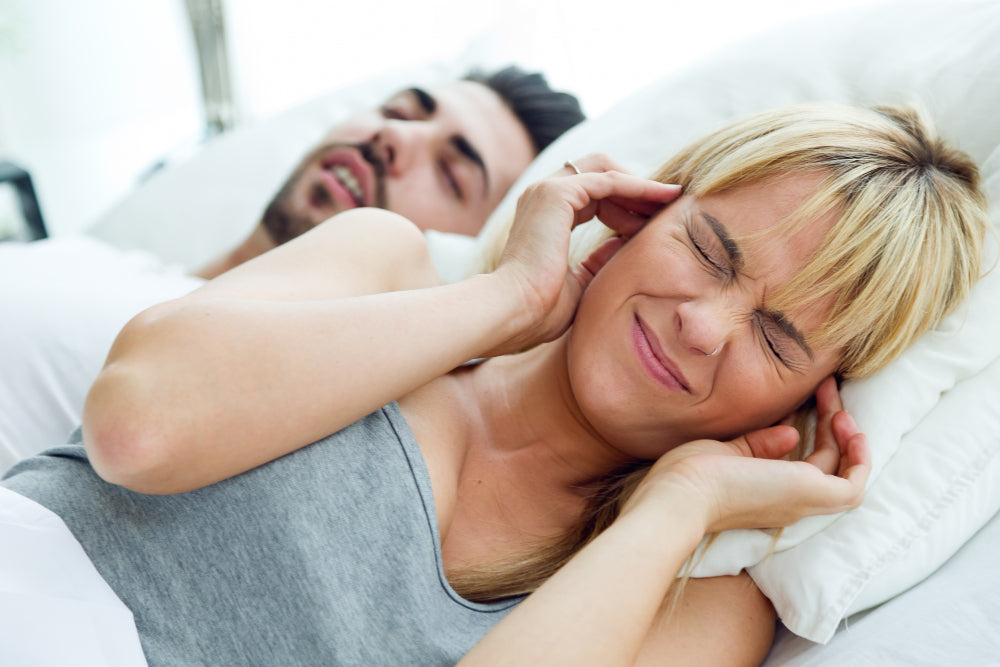
What is snoring?
Snoring refers to a noise or grunting that some people make during sleep. Snoring occurs during sleep when air passes through the relaxed tissues of the throat, causing them to vibrate during breathing. This is more common in men and anyone who has problems with extra pounds.
symptom
Symptoms associated with snoring include pauses in breathing during sleep, often noticed by the partner. This can be accompanied by excessive daytime sleepiness, difficulty concentrating and morning headaches. Affected individuals may also experience a sore throat upon awakening and may have restless sleep with episodes of gasping or suffocation during the night.
Snoring can also be associated with high blood pressure and chest pain at night. A hallmark of severe snoring is that it can be so loud that it disrupts your partner's sleep. In children, snoring can lead to problems with attention, behavior and poor performance in school. Although snoring itself is not always dangerous, it is important to be evaluated by a doctor, especially if it is accompanied by other symptoms.
If snoring is related to obstructive sleep apnea, it is crucial to take steps to prevent long-term complications such as cardiovascular disease. Treatments can range from lifestyle changes, such as losing weight and avoiding alcohol before bed, to using special devices to keep the airway open or surgery in severe cases. Proper diagnosis and treatment can significantly improve quality of life and overall health.
What are the causes of snoring in sleep?
The causes of snoring in sleep can be many, such as the anatomy of the mouth and sinuses, alcohol consumption, allergies, a cold and your weight.
When you doze off and transition from light sleep to deep sleep, the muscles in the roof of your mouth (soft palate), tongue, and throat relax. The tissues in your throat can relax enough to partially block your airway and vibrate.
The narrower the airways, the stronger the airflow becomes. This increases the vibration of the tissues, which makes your snoring louder.
The following conditions can affect the airways and cause snoring:
- The anatomy of your mouth. Having a low, thick soft palate can narrow your airway. Overweight people may have extra tissue in the back of their throat that can narrow their airways. Also, if the triangular piece of tissue hanging from the soft palate (uvula) is elongated, airflow can be obstructed and vibration can be increased.
- Alcohol consumption. Snoring can also be caused by drinking too much alcohol before bed. Alcohol relaxes your throat muscles and lowers your natural defenses against airway obstruction.
- Nasal problems. Chronic nasal congestion or a crooked separation between the nostrils (deviated nasal septum) can contribute to your snoring.
- Sleep deprivation. Not getting enough sleep can lead to additional neck relaxation.
- Sleeping position. Snoring is usually most frequent and loud when you sleep on your back because the effect of gravity on the neck narrows the airway.
How do you prevent snoring in your sleep?
Certain lifestyle changes can help you stop or reduce snoring. Here are some things to try:
- Maintaining a healthy weight
- Avoiding alcohol and sedatives
- Changing sleeping position
- Maintaining a regular sleep routine
- Elevation of the head during sleep
- Treatment of allergies
- Proper hydration
- Exercises for the throat and tongue
- Use of anti-snoring devices
- Consulting a specialist
Diagnosis and tests
If your doctor suspects you have a sleep disorder, such as snoring or sleep apnea, they may recommend a sleep study, known as polysomnography. This study can be done either at home, with the help of special devices, or in a laboratory.
A sleep study assesses several essential aspects of sleep such as:
- Brain wave activity - monitors patterns of brain activity to assess sleep stages and identify any abnormalities.
- Breathing patterns - looks at the rhythm and efficiency of breathing, including periods when breathing stops temporarily, which may indicate sleep apnea.
- Heart rate and oxygen level - measures heart rate and blood oxygen levels to detect cardiovascular or respiratory problems that may affect sleep.
- Movements during sleep - notice involuntary movements of the arms and legs, as well as changes in position, which may indicate movement disorders during sleep.
- Sleep cycles and snoring - assesses the structure of sleep cycles and the intensity of snoring to identify possible causes of sleep disruptions.
By analyzing this data, the sleep study helps establish an accurate diagnosis and develop an appropriate treatment plan to improve sleep quality and overall health.
Management and treatment
To treat snoring, a wide range of treatments are used to reduce snoring. The right option for you depends on several factors, including the severity of your snoring, your health history, and your personal preferences.

Non-surgical treatments for snoring
Non-surgical remedies for snoring focus on improving sleep posture or opening up the airway. These treatments may include:
- Lifestyle changes
Changing your sleeping position, avoiding drinks that contain alcohol, and maintaining a weight that's healthy for you can reduce snoring.
- Medicines
Cold and allergy medicines relieve nasal congestion and help you breathe freely.
- Nasal strips
Wearing nasal strips (flexible strips that stick to the outside of your nose) can help keep your nasal passages open.
- Oral appliances
Wearing an oral appliance when you sleep keeps your jaw in the right position so air can pass through. Your doctor might call it a mouth guard or mouth guard. A mouth guard used for other purposes, such as sports, will not solve snoring.
Surgical treatments for snoring
Doctors may use surgery to treat severe snoring. The goal of surgery is to shrink or remove excess tissue or to correct a structural problem (such as a deviated septum). Surgical treatments may include:
- Laser assisted uvulopalatoplasty (LAUP). LAUP reduces tissue in the soft palate and improves airflow.
- Ablation therapy. Also called Somnoplasty®, this technique uses radiofrequency energy to shrink excess tissue in the soft palate and tongue.
- Septoplasty. If you have a deviated septum, your doctor may recommend septoplasty. A septoplasty improves airflow through the nose by remodeling the cartilage and bone.
- Tonsillectomy or adenoidectomy. A surgeon removes excess tissue from the back of the throat (tonsillectomy) or the back of the nose (adenoidectomy).
Is snoring normal?
Snoring is common (and normal) for many people. In fact, almost everyone snores at some point, including babies and toddlers.
But loud, jerky snoring can indicate sleep apnea — a condition that causes you to stop breathing during sleep. If snoring occurs in combination with episodes of apnea (gasping for air during sleep) and other symptoms such as fatigue or irritability, then you should talk to a healthcare provider.
When to see a doctor
It is important not to rely solely on this information. See your doctor if you have any of the above symptoms. These may indicate that your snoring is associated with obstructive sleep apnea (OSA).
If your child snores, ask your pediatrician about it. Children can have OSA too. Nose and throat problems - such as enlarged tonsils - and obesity can often narrow a child's airway, which can lead to the development of OSA.
Sources:
https://my.clevelandclinic.org/health/diseases/15580-snoring
https://www.mayoclinic.org/diseases-conditions/snoring/symptoms-causes/syc-20377694


Leave a comment
All comments are moderated before being published.
This site is protected by hCaptcha and the hCaptcha Privacy Policy and Terms of Service apply.