

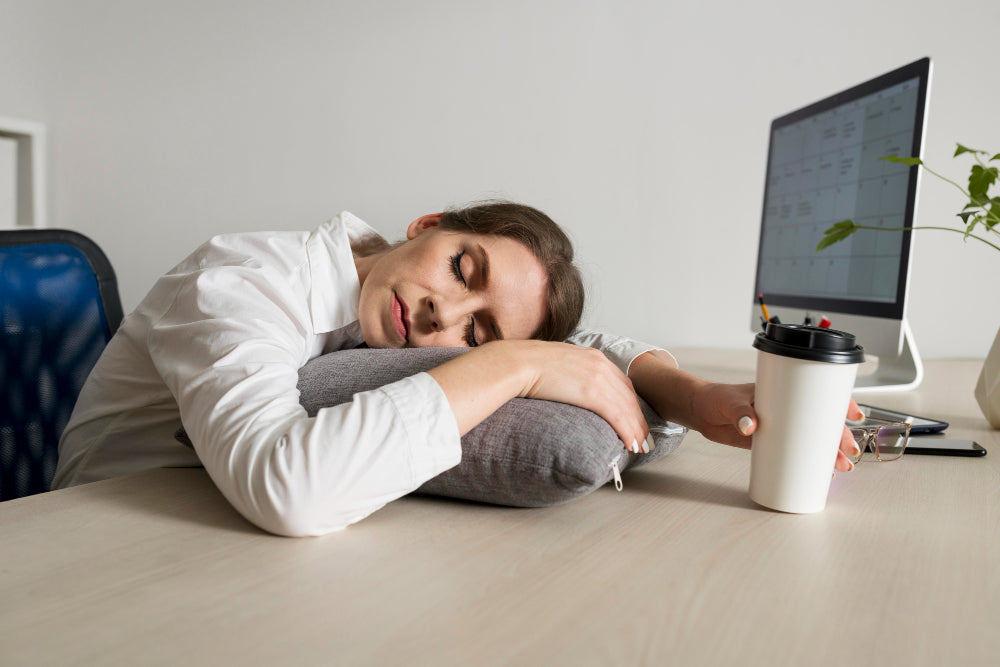
A nap is a short period of sleep, of a maximum of 30 minutes, but in some cases it can reach up to an hour. Naps are beneficial for both children and adults, so you have every reason to rest when you have time.
How long should a nap last?
Ideally, the duration of a nap varies according to the needs of each person. In general, experts recommend that a nap last no more than 30 minutes. This is the optimal length of time to get the revitalizing benefits of sleep without entering deeper phases of the sleep cycle that could cause the feeling of sleepiness and disorientation upon awakening, known as sleep inertia.
For children and those who need more rest (for example if you didn't sleep the night before or if you are sick), a 60-minute nap can be beneficial, as it includes a period of sleep that is very important for memory and learning. However, it is important to note that this type of nap can lead to a sleepy state upon waking, requiring an adjustment period after getting out of bed.
Myth: Only babies need to sleep during the day
There is a misconception that only children need a nap. In reality, afternoon naps are beneficial for adults as well. Did you know that in many cultures, especially in Mediterranean countries, naps are frowned upon? It's called siesta, right after lunch. Moreover, this also has a scientific basis. Thus, the human body has a circadian rhythm that includes a natural decrease in alertness in the afternoon, which explains why many people feel the need to sleep around 2-3 PM.
People who don't get enough sleep at night, either due to health issues or busy schedules, can greatly benefit from a nap to restore their energy and improve their mood. Also, older people, whose nighttime sleep quality may decline with age, may find napping very helpful.
The benefits of a nap
A nap can have numerous benefits for your physical and mental health, as you can see below.
- Improves memory: Sleep helps consolidate memory. A nap can facilitate the process of retaining new information and improve learning ability.
- Reduces stress: A short nap can help reduce stress levels and relieve anxiety. The relaxation provided by sleep helps reduce cortisol, the stress hormone.
- Increases productivity: After a nap, energy levels increase and concentration and productivity improve. This is especially important for people who have activities that require increased attention and a high level of alertness.
- Improves heart health: It appears that naps can help lower blood pressure and reduce the risk of cardiovascular disease. Sleep helps regulate body functions and maintain good heart health.

When to go to the doctor if you feel too tired during the day?
Even though naps are very useful, there are also cases where it is not enough and people feel very tired. Excessive daytime fatigue can be a sign of health problems that require medical attention. If you often feel tired, even after a good night's sleep or regular naps, you should consult a doctor.
Some possible causes of excessive fatigue are as follows.
- Sleep disorders: Obstructive sleep apnea, narcolepsy, or restless legs syndrome can affect sleep quality and lead to chronic fatigue.
- Anemia: A decrease in the number of red blood cells can lead to a constant feeling of fatigue and weakness.
- Depression and anxiety: These mental conditions can cause persistent fatigue, even in the absence of intense physical activity.
- Thyroid problems: Hypothyroidism can cause fatigue and lethargy.
- Nutritional deficiencies: Lack of essential vitamins and minerals, such as vitamin B12, iron or magnesium, can contribute to feeling tired.
Why change into pajamas for a nap
If you want to rest as well as possible, it is recommended to change into pajamas . Changing into your pajamas before a nap may seem pointless to many people considering it's only a few minutes of sleep, but it has important benefits for sleep quality and overall well-being.

Changing into pajamas signals the body that it's time to rest. Pajamas are usually more comfortable than day clothes, allowing you to move freely and relax completely. This increased comfort can contribute to a more restful sleep. Wearing day clothes while sleeping can keep the mind in a state of activity, which can prevent complete relaxation. Pajamas, on the other hand, are associated with sleep and rest, thus facilitating an easier mental transition to sleep.
Consistent and predictable routines are important for mental and physical health. Getting into the habit of changing into your pajamas before nap can be part of a daily routine.
So a nap has numerous benefits for physical and mental health, from improving memory and alertness, to reducing stress and promoting good cardiovascular health. It is important to properly manage the duration and timing of naps and do not hesitate to consult a doctor if you experience excessive fatigue. Don't forget to change into your pajamas for a restful sleep.
Sources:

Leave a comment
All comments are moderated before being published.
This site is protected by hCaptcha and the hCaptcha Privacy Policy and Terms of Service apply.