

Sleep in pregnancy, specifically adequate sleep, plays a crucial role in tissue regeneration and repair, maintaining a strong immune system, and regulating stress levels. For pregnant women, sleep is vital to support the development of the baby and to prepare the body for birth. We will continue to present you with the most important information about sleep during pregnancy, how much sleep a pregnant woman should sleep, how she should sleep and which pajamas are comfortable during this period.
Why is sleep important in pregnancy?
Over time, studies have shown that insufficient sleep during pregnancy can increase the risk of complications such as high blood pressure and preeclampsia. Also, lack of sleep can lead to chronic fatigue, irritability and difficulty concentrating, thus affecting the quality of life.
Adequate sleep contributes to hormonal balance, which is essential for maintaining a healthy pregnancy and preventing prenatal depression. In addition, insufficient sleep can also affect metabolism, increasing the risk of gestational diabetes.
In addition to the aspects, sleep is also important for the mental health of the pregnant woman. Adequate rest helps reduce stress and anxiety, factors that can have a negative impact on pregnancy. Women who sleep well are better able to cope with the emotional and physical changes that pregnancy brings, resulting in better overall well-being.
How many hours should a pregnant woman sleep?
General recommendations for adults suggest that they should get between 7 and 9 hours of sleep per night. However, pregnant women may need more sleep, especially in the first and third trimesters. During the first trimester, many women experience intense fatigue due to rapid hormonal changes and the rapid development of the baby. In the third trimester, the baby's growth and physical discomfort may require longer periods of rest.
Fatigue is a common symptom in the first trimester, when a woman's body is working hard to support the pregnancy. Did you know that progesterone levels rise significantly during this period, which can lead to sleepiness? Increased blood volume can also contribute to fatigue. It is essential that pregnant women get more rest during this period.
In the second trimester, many women regain their energy and can sleep better. However, as the pregnancy progresses, in the third trimester, sleep can become problematic again. The growing uterus can cause discomfort, difficulty breathing, and the frequent need to urinate, all of which affect the quality of your sleep. To combat these problems, pregnant women should make sure they get enough sleep and take short naps during the day if necessary.
When should a pregnant woman sleep?
And the timing of sleep is important. Thus, it is beneficial to maintain a consistent sleep schedule with approximately the same time of sleep and wake up. This helps to regulate the circadian rhythm and improve the quality of sleep. Establishing a sleep ritual that includes relaxing activities before bed, such as reading a book or listening to soothing music, can help.
Pregnant women should also avoid stimulants, such as caffeine, around bedtime. It is recommended to create a quiet and comfortable sleep environment without disturbing factors. Using dim lighting in the bedroom and avoiding bright screens, such as cell phones and televisions, before bed can help you fall asleep faster and sleep more deeply.
A nap can be very beneficial, especially in the second and third trimesters when fatigue can be more pronounced. However, it is important that these daytime naps do not interfere with nighttime sleep. Ideally, the duration of a nap should not exceed 30-60 minutes.
What are the recommended sleeping positions for pregnant women?
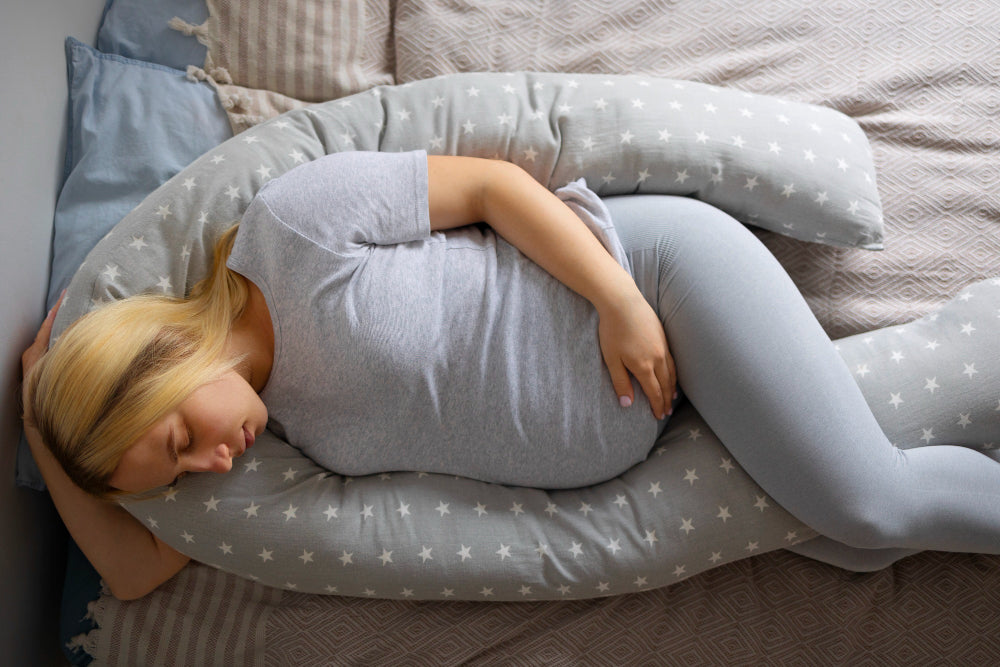
As pregnancy progresses, certain sleeping positions become more comfortable and beneficial for the health of mother and baby. One of the most recommended sleeping positions for pregnant women is on the left side. This position helps improve blood circulation to the placenta and reduce pressure on internal organs such as the liver and kidneys.
Sleeping on your left side can also reduce the risk of hemorrhoids and varicose veins because it promotes blood circulation and reduces pressure on large veins.
Sleeping on your back is to be avoided, especially in the second and third trimesters, as the weight of the uterus can compress the inferior vena cava, reducing blood flow to the heart and causing dizziness or difficulty breathing. Sleeping on your back can also worsen back pain and contribute to sleep apnea.
Stomach sleeping becomes impractical as the pregnancy progresses and the uterus grows. Conversely, sleeping on the right side may be an acceptable alternative, although it is not as recommended as sleeping on the left side due to the potential pressure on the liver.
Source: https://www.freepik.com/free-photo/close-up-young-pregnant-woman-sleeping_21080914.htm
Why is it ideal to sleep with a special pillow?
Special pregnancy pillows are designed to provide extra support and comfort, helping to maintain a proper sleeping position. These pillows can reduce discomfort associated with pregnancy, such as back, hip and leg pain. Using the right pillow can help maintain proper spinal alignment, thereby reducing muscle tension and discomfort.
There are several types of pillows for pregnant women, and below we present the most popular models.
- C-Shaped Pillow: Provides support for the head, neck, stomach and legs. It is ideal for women who sleep on their side and helps maintain proper spinal alignment. Its shape allows the curved part to be placed under the belly, thus ensuring optimal support and reducing pressure on the abdomen.
- U-shaped pillow: surrounds the entire body and provides support in both the front and back. It is useful for women who move a lot in their sleep and need constant support. Its shape provides support for the head, neck, back, abdomen and legs, allowing a comfortable and stable position throughout the night.
- Wedge pillow: can be placed under the belly or between the legs to provide additional support. It is compact and can be used in various ways. For example, it can be placed under the abdomen to reduce pressure on the spine or between the knees to properly align the hips and reduce lower back pain.
Using a special pillow can help improve sleep quality by reducing pressure on joints and muscles and facilitating a more comfortable sleeping position.
These pillows can also help prevent gastroesophageal reflux, a common problem in pregnancy, by keeping your head and torso in a slightly elevated position.
What kind of pajamas can be comfortable for pregnant women?
As you probably already know, comfortable pajamas are essential for quality sleep during pregnancy. Pregnant women should choose pajamas that are made of soft, breathable and stretchy materials to accommodate the growing belly and avoid skin irritation.

Natural materials such as cotton or bamboo are ideal because they allow air to circulate and absorb sweat, keeping the skin dry and comfortable. Cotton is hypoallergenic and gentle on sensitive skin, features that make it perfect for pregnancy pajamas. Bamboo, on the other hand, is an eco-friendly material that provides thermal comfort, keeping the body cool during hot nights and warm during cold nights.
Pajama models with an adjustable or elastic waist are preferable, as they allow the comfort to be adjusted as the belly grows. Pajamas with an elastic waist provide flexibility and comfort without putting pressure on the abdomen. Also, pajamas with front openings or nursing designs can be useful in the last months of pregnancy and after birth, making it easier to breastfeed and care for the newborn.
Nightgowns can be another comfortable option for pregnant women as they offer freedom of movement and avoid pressure on the belly. They should be long enough and have a loose fit to allow for comfortable sleep. Seamless or flat-seam designs can prevent irritation to sensitive skin and ensure maximum comfort.

So sleep is an essential aspect of health during pregnancy, influencing both the mother's well-being and the baby's development. Pregnant women should pay attention to their body's signals and prioritize rest to ensure they get through pregnancy as smoothly as possible and to prepare the body for birth and caring for a newborn.
Sources:


Leave a comment
All comments are moderated before being published.
This site is protected by hCaptcha and the hCaptcha Privacy Policy and Terms of Service apply.