

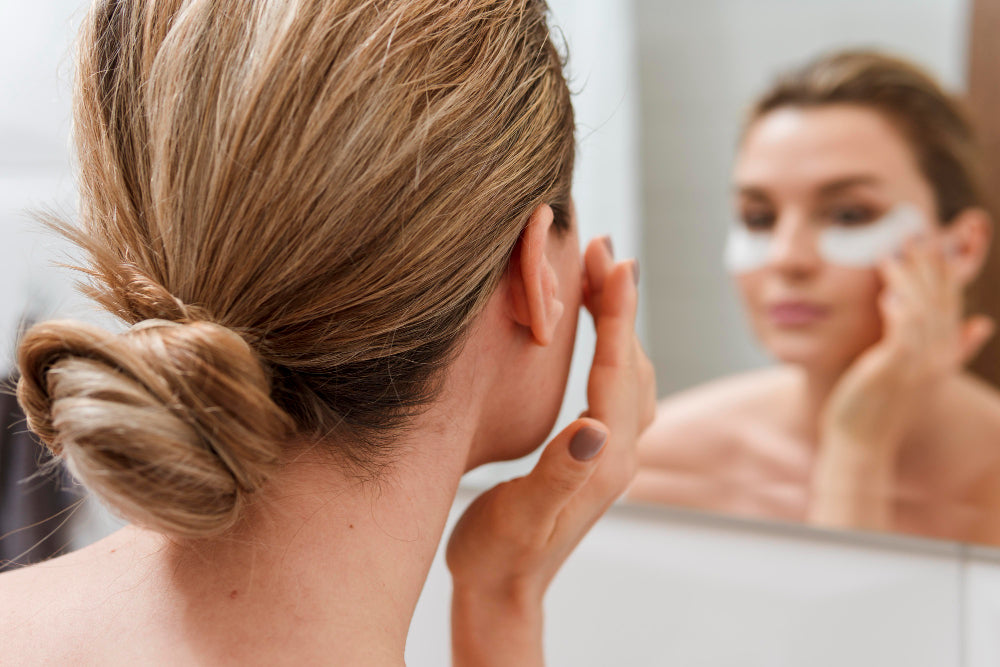
Did you know that dehydrated skin is a common problem that many people face, regardless of age or skin type? This is a temporary condition characterized by a lack of water in the superficial layers of the skin, which leads to a dull, lackluster appearance and unpleasant sensations, such as a feeling of tightness and increased sensitivity.
Unlike dry skin, which is a skin type, dehydrated skin is a condition that can affect anyone, even people with oily skin. In the context of climate change, the use of inappropriate cosmetics and modern lifestyles, dehydrated skin has become an increasingly common problem. Understanding the signs and causes of dehydrated skin is essential to provide proper skin care and prevent the development of more serious conditions.
Dehydrated skin is often confused with dry skin, but there are important differences between these two dermatological problems. It is essential to recognize how the skin reacts to dehydration and identify the causes of this imbalance, in order to take the necessary measures for prevention and treatment. Below, we will tell you in detail what dehydrated skin feels like, what are the differences between dehydrated and dry skin, what factors contribute to skin dehydration and when it is time to turn to a dermatologist.
What does dehydrated skin feel like?
Dehydrated skin has a number of specific characteristics that make it easy to identify, especially if we pay attention to how our skin reacts to external and internal factors. The first sensation that a person with dehydrated skin feels is the sensation of skin tightening. This sensation can occur immediately after washing the face or during the day, when water evaporates from the skin. The skin may feel tight and uncomfortable, especially in the cheeks and forehead area. At the same time, dehydrated skin tends to be sensitive to the touch, showing increased sensitivity to cosmetics and environmental factors, such as wind, cold or excessive heat.
Another common sensation is the appearance of dryness, although the skin is not necessarily devoid of natural oils. Unlike dry skin, which is associated with a lack of lipids, dehydrated skin is devoid of water. As a result, the skin can look dull, lack vitality and may be prone to fine flaking or areas of uneven texture. Makeup tends to settle into fine lines or fade quickly because the skin lacks the hydration needed to support an even application.
Additionally, dehydrated skin can become more vulnerable to redness and irritation, especially when exposed to external aggressors, such as pollution or irritating cosmetics. In general, people with dehydrated skin experience a general state of discomfort, and the appearance of their skin may suggest fatigue or stress.
Dehydrated skin vs. dry skin
Although dehydrated skin and dry skin may seem similar at first glance, they are two distinct conditions and require different approaches to treating them. Dry skin is a skin type characterized by insufficient sebum production. Sebum is the skin’s natural oil, which helps keep it soft and moisturized. People with dry skin have less active sebaceous glands, which leads to fragile skin that is prone to cracking, itching, and visible flaking. These people should use emollient products rich in oils to restore the skin’s protective barrier and prevent moisture loss.
Dehydrated skin, on the other hand, is a temporary condition caused by a lack of water in the epidermal layers. It can occur in any skin type, including oily or combination skin, and is not related to sebum production. Even people with oily skin can experience dehydration, which manifests as a dull complexion and discomfort. Although dehydrated skin may look and feel dry, the solution is not to apply oil-based products, but to increase your water intake and use moisturizers that attract and retain water in the skin.
The key difference between the two conditions is the lack of lipids in dry skin and the lack of water in dehydrated skin. Dry skin is a chronic problem that requires constant care, while dehydration can be corrected by adjusting your lifestyle and skin care routine.
Causes of dehydrated skin
There are many factors that can contribute to dry skin, ranging from environmental factors to mistakes in your skin care routine. One of the most common causes is prolonged exposure to extreme weather conditions, such as cold winds, intense heat, or dry indoor air. In winter, for example, cold outside air and indoor heating can significantly reduce the humidity level in the air, which leads to the evaporation of water from the skin. In the summer months, strong sunlight and high temperatures can cause excessive sweating, which, paradoxically, can exacerbate dry skin.
Another major factor is the use of harsh or inappropriate cosmetic products for your skin type. Strong surfactants in soaps, cleansers, and scrubs can destroy the skin's protective barrier, facilitating water loss. Products that contain alcohol or strong fragrances can also cause irritation and dehydration. Excessive washing of the face or using excessively hot water also contribute to the skin's water imbalance.
Dehydration of the skin can also be influenced by internal factors, such as diet and insufficient water intake. Lack of adequate fluid intake affects the skin's ability to retain water, and a diet low in vitamins and minerals can weaken the skin's structure. Excessive consumption of coffee, alcohol or processed foods can worsen the problem, as they have a diuretic effect and contribute to the loss of water from the body.  ganism.
Additionally, stress and lack of sleep play a key role in skin health. Chronic stress can disrupt the normal functioning of the skin’s protective barrier, and insufficient sleep can reduce cell renewal, leaving skin vulnerable to dehydration. The natural aging process is also a factor, as the skin loses its ability to retain water as we age.
When to see a doctor
Although dehydrated skin is a problem that can often be resolved by making changes to your daily skin care routine, there are cases where professional help is needed. If symptoms persist despite appropriate hydration measures, or if your skin becomes extremely irritated, red, and inflamed, it is a good idea to see a dermatologist. In some cases, dehydrated skin can be a sign of a more serious skin condition, such as eczema, dermatitis, or psoriasis. These conditions require specific treatment and care under medical supervision.
Also, if dehydrated skin is accompanied by other symptoms, such as severe itching, cracking, or bleeding, it may be a problem that goes beyond simple dehydration. In these cases, only a specialist can determine the exact cause and recommend appropriate treatments. In addition, people who experience chronically dehydrated skin, despite a healthy lifestyle and proper hydration regimen, should seek the advice of a doctor to rule out possible internal conditions.
How to solve the problem of dehydrated skin
The first step in combating dehydrated skin is to make sure that the body receives enough water daily. Drinking at least 2 liters of water per day is essential to keep the skin hydrated from the inside. At the same time, we should avoid drinks that can cause dehydration, such as coffee and alcohol. A diet rich in fruits and vegetables, which contain water and essential nutrients, can help restore the skin's water balance.
Proper skin care is also essential. It is important to choose gentle cosmetics, without irritating ingredients, and to use a moisturizing cleanser that does not remove the skin's natural oils. Moisturizer should be applied immediately after cleansing the face to seal in water. Ingredients that help with hydration, such as hyaluronic acid, glycerin, and ceramides, are extremely beneficial for dehydrated skin.
Avoiding harsh exfoliants and hot water is another important step. Gentle exfoliation, performed no more than twice a week, will help remove dead skin cells without damaging the skin's protective barrier. During cold or dry months, using a humidifier in your home can help maintain optimal humidity levels in the air, preventing excessive evaporation of water from your skin.
Dehydrated skin on the body
What better way to combat dehydrated skin on the body is to moisturize. But experts emphasize that it is important to be selective about the products we use to rehydrate the skin. Those with a higher concentration of oil are recommended, and in the case of sensitive skin, the best solutions are oils and ointments, which contain fewer preservatives.
Recently, ceramides have been compared to the mortar that covers the spaces between bricks, if we consider that skin cells are like bricks. Basically, the mortar - ceramides, are what help unify skin cells. Other beneficial ingredients in moisturizing products are hyaluronic acid and copper peptides. On the other hand, for dehydrated skin on the body, we should not choose products that contain perfumes.
Dehydrated skin on the face
To combat dry skin, Mayo Clinic recommends washing your face at least twice a day, applying a good moisturizer (several times a day), and drinking plenty of water. The most beneficial ingredients in moisturizers are urea, ceramides, fatty acids, and glycerol, also known as glycerin, shea butter, and coconut butter. Again, you should avoid products that are fragrance-free, chemical-free, non-allergenic, and noncomedogenic, which are less likely to cause acne.
By adopting proper care measures and maintaining a healthy lifestyle, dehydrated skin can be restored to an optimal level of hydration and radiance.
So, dehydrated skin, although often ignored or confused with other conditions, can have a significant impact on the overall comfort and appearance of the skin. Correctly identifying the signs of dehydration and addressing this problem with appropriate methods, such as internal and external hydration, is essential to maintaining a healthy and radiant skin. Adapting your care routine to the specific needs of your skin and avoiding triggers, such as aggressive cosmetics or exposure to extreme conditions, can prevent the recurrence of dehydration. In more severe cases, consulting a dermatologist is always a useful option.
Sources:
https://www.mayoclinic.org/diseases-conditions/dry-skin/symptoms-causes/syc-20353885
https://www.mayoclinichealthsystem.org/hometown-health/speaking-of-health/what-to-do-about-dry-skin
https://newsnetwork.mayoclinic.org/discussion/home-remedies-skin-tends-to-be-driest-in-winter/

Leave a comment
All comments are moderated before being published.
This site is protected by hCaptcha and the hCaptcha Privacy Policy and Terms of Service apply.