

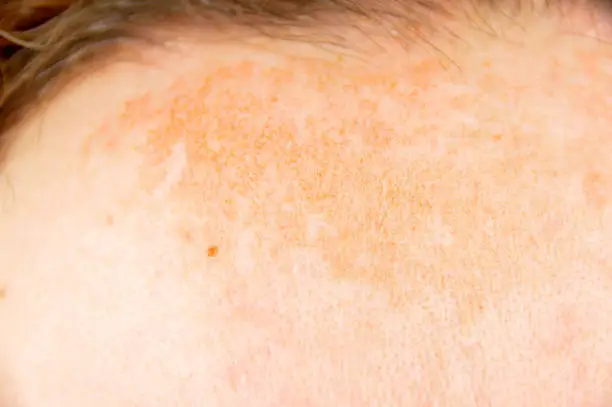
Are you experiencing brown spots on your skin? They are a common aesthetic problem that affects people of all ages. They can appear on different parts of the body, but are most commonly found on the face, hands, and other areas exposed to the sun. Although they are generally not dangerous to health, they can cause psychological discomfort, especially when they are obvious. The causes of these spots are varied and can include excessive sun exposure, hormonal changes, skin aging, or various medical conditions. Depending on their location and cause, there are multiple methods of prevention and treatment, ranging from topical creams to more complex dermatological procedures. Below, we will present the main types of brown spots and how they can be treated.
Brown spots on the skin
Brown patches on the skin are also called melasma, a common skin condition that mainly appears on the forehead, cheeks, nose, and upper lip. This condition affects women in particular and is often linked to hormonal changes, such as those that occur during pregnancy or the use of oral contraceptives. Melasma is also known as the “mask of pregnancy” because it often appears in pregnant women. Sun exposure worsens this condition because UV rays stimulate the production of melanin, the pigment responsible for skin color.
The main causes of melasma include excessive sun exposure, hormonal fluctuations, and in some cases, genetic predisposition. Other triggers can include the use of certain photosensitizing medications or cosmetics that irritate the skin. People with darker skin tones are more prone to melasma because they have a higher natural production of melanin.
Treating melasma can be quite complex, given that it is a chronic condition and the spots tend to recur if the triggers are not controlled. An important prevention and treatment strategy is rigorous sun protection. Daily use of a sunscreen with a protection factor of 50 is essential to prevent the spots from worsening. In addition, avoiding direct sun exposure and wearing protective hats are necessary measures to minimize the impact of UV radiation. It is good to know that heat can also activate melasma, even when cooking and standing near the stove or oven.
In terms of treatment, depigmenting creams containing hydroquinone, kojic acid, azelaic acid, or retinoids are frequently recommended by dermatologists. These substances help reduce melanin synthesis and fade existing spots. In more severe cases of melasma, laser treatments or chemical peels may be an option, although these should be performed with great care, as there is a risk of worsening pigmentation in some cases.
Brown spots on hands
Brown spots on the hands, also known as age spots or solar lentigines, are a common sign of aging skin. These spots are the result of prolonged exposure to the sun and usually appear in older people. Over time, exposure to ultraviolet radiation causes a localized increase in melanin production, which leads to the appearance of these pigmented spots. Although age spots are not dangerous, they can be unsightly and are often associated with the natural aging process.
Another factor that contributes to the appearance of brown spots on the hands is skin damage caused by repeated exposure to external factors, such as pollution or smoking. These habits can accelerate skin aging and lead to excessive pigmentation in certain areas. People with lighter skin are more prone to these spots, as their skin is more vulnerable to the negative effects of the sun.
Preventing age spots on your hands is primarily about sun protection. As with melasma, using a high SPF is crucial to preventing the spots from appearing. It's important to apply sunscreen not only to your face, but also to your hands and other exposed areas, even on cloudy days or in the winter. Protecting your skin from UV rays is the best way to prevent premature aging and brown spots.
There are several options available for treating existing spots. Lightening creams and serums containing vitamin C, glycolic acid, or retinoids can help fade brown spots and improve the overall appearance of your skin. Laser treatments are a more aggressive, but effective, method for removing age spots. Depending on the severity and size of your spots, a dermatologist may recommend a combination of topical treatments and dermatological procedures for optimal results.
Brown spots on the back and other areas of the body
Brown spots can also appear on other parts of the body, such as the back, shoulders, chest, or legs, for various reasons. In many cases, these brown spots on the back or other body areas are caused by prolonged sun exposure, just like spots on the face or hands. However, there are other medical causes that can lead to the appearance of brown spots on the body, such as certain skin conditions or hormonal changes.
One common cause of brown spots on the body is post-inflammatory hyperpigmentation, which occurs as a result of trauma or irritation to the skin. For example, after a sunburn, scar, or severe irritation, the skin may produce excess melanin in the affected area, leading to the formation of brown spots. These spots can persist long after the initial injury has healed and are more common in people with darker skin.
Hyperpigmentation can also be caused by medical conditions, such as Addison's disease, an endocrine disorder in which the adrenal glands do not produce enough hormones. This condition can cause brown or blackish patches to appear on various parts of the body, especially in sun-exposed areas, skin folds, or scars. Other diseases, such as diabetes, can also cause changes in skin pigmentation, through a process known as acanthosis nigricans, in which the skin becomes darker and thicker in certain areas, such as the neck, armpits, or groin.
Preventing brown spots on the body primarily involves protecting yourself from excessive sun exposure and taking proper care of your skin in case of damage or irritation. If the spots are caused by an underlying medical condition, treating that condition is essential to prevent the pigmentation from getting worse. It is important to consult a doctor if you notice a sudden appearance of brown spots or if they are accompanied by other symptoms, such as fatigue, weight loss, or pain, as these may indicate a more serious medical problem.

Treatment for brown spots on the body depends on the cause. In the case of post-inflammatory hyperpigmentation, using depigmenting creams and exfoliating products can help gradually fade the spots. Alpha-hydroxy acids, such as glycolic or lactic acid, are often used to speed up the process of exfoliation and skin regeneration. In some cases, dermatologists may recommend laser treatments or chemical peels to remove the top layer of skin and reduce pigmentation.
On the other hand, if the brown spots are caused by a medical condition, treatment should focus on managing that condition. For example, in the case of Addison's disease, hormone treatment can help restore balance in the body and reduce skin pigmentation. In the case of diabetes and acanthosis nigricans, improving blood sugar control and losing weight can reduce the symptoms of skin pigmentation.
Brown spots on the skin, regardless of location or cause, are not just an aesthetic problem, but can be an indication of how our skin is responding to external and internal factors. Although many of these spots are benign, they can significantly affect self-confidence and the overall appearance of the skin. In addition, the fact that they can have multiple and diverse causes should lead us to be attentive to changes in the skin and to seek medical help when they appear suddenly or worsen.
An important aspect in preventing and managing brown spots, no matter where they appear, is proper skin hygiene and hydration. Using a moisturizer that is appropriate for your skin type daily helps maintain a healthy skin barrier and can reduce the risk of hyperpigmentation caused by minor irritations or injuries. Healthy skin is better equipped to heal and resist external factors, such as pollution or UV radiation, which can aggravate the appearance of spots.
Stress can also play a role in skin health. Stress hormones, such as cortisol, can trigger inflammation and worsen existing problems, including melasma or hyperpigmentation. Adopting stress management practices, such as meditation, yoga, or regular exercise, can have a beneficial impact on skin health in the long term.
Ultimately, the importance of consulting a dermatologist cannot be overstated. A specialist can distinguish between benign brown spots and those that require further investigation, such as a biopsy to rule out more serious conditions, such as skin cancer. Dermatologists can also customize treatment plans based on your individual skin needs, offering tailored solutions for preventing and treating brown spots, thus maintaining the health and beauty of your skin.
So, brown spots on the skin can be caused by a variety of factors, from sun exposure and hormonal changes to more serious medical conditions. Regardless of the cause, it is essential to consult a dermatologist for a proper diagnosis and appropriate treatment. Sun protection, proper skin care, and proper management of underlying health conditions can help prevent and treat brown spots, ensuring a healthy, even complexion.
Sources:
https://www.mayoclinic.org/diseases-conditions/sunburn/in-depth/sun-damage/art-20546834
https://www.mayoclinic.org/diseases-conditions/age-spots/symptoms-causes/syc-20355859

Leave a comment
All comments are moderated before being published.
This site is protected by hCaptcha and the hCaptcha Privacy Policy and Terms of Service apply.