

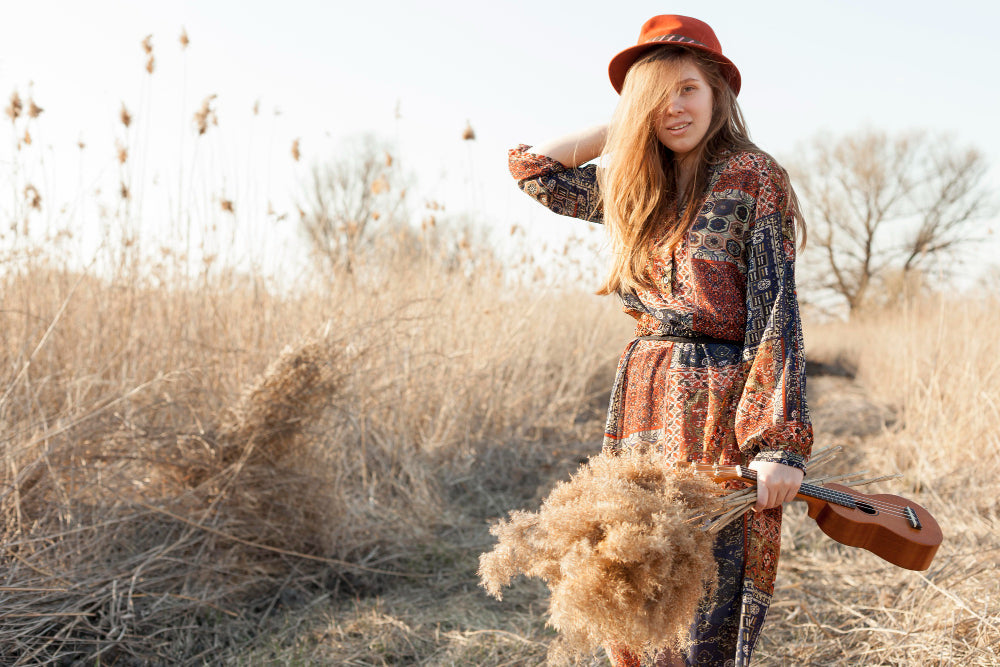
One of the most beautiful periods of the last century is the 70s, marked by many unique events and a total transformation of society, not only in terms of fashion. It can be said that in this decade, stylistic boundaries were crossed, and 70s fashion it reflects freedom, experimentation and diversity.
The 70s were marked by contrasts, mainly by the bohemian influences of the hippie movement and the glitz of disco style, and every aspect of fashion expressed something about the values and desires of the people of that period.
70s fashion wasn't just a continuation of previous decades, but a true revolution, considering what had come before: the 60s were about emancipation and social change, and the 70s were a time when people decided to live their lives by their own rules. This sense of freedom was reflected in every aspect of life, including the way they dressed, so style was no longer about following strict rules, but about expressing yourself authentically.
It's good to know that each subculture had a unique impact on 70s fashion: hippie, punk, disco, and even sports influences contributed to the decade's eclectic mix of trends. Even today, 70s fashion continues to inspire designers and style enthusiasts, and its signature elements are constantly making a comeback. Below, we'll show you everything you need to know about the style of these years and beyond.
Why are the 70s so popular?
You probably know that the popularity of the '70s is not just nostalgia: the decade is celebrated for being a time of innovation, transformation, and liberation. People were breaking away from the rigid norms of previous decades and exploring new ways of living their lives, from relationships to careers, art, and fashion. In short, it was a decade of experimentation, and this attitude profoundly influenced the world.
Culturally, music was one of the pillars that defined the 70s, and this period gave birth to musical genres such as classic rock, funk and disco. Bands such as Led Zeppelin, Queen, The Rolling Stones and artists such as David Bowie and Elton John dominated the music scene, offering not only memorable songs, but also real shows when it comes to live concerts. Also, the musicians of this period were not only artists, but also true pioneers of fashion. David Bowie, for example, through his alter ego Ziggy Stardust, promoted an androgynous, nonconformist style that shocked and inspired at the same time.
In addition to music, the cinema of the 70s also contributed to the charm of the era, and the characters in the films became true stylistic landmarks, their outfits being appreciated and reproduced by millions of people around the world. Clothes became a form of protest, a way to show solidarity with a cause, as is the hippie style, with natural materials and loose cuts, which was a manifesto against consumerism and war.
How did women dress in the 70s?
Women's fashion in the '70s was undoubtedly diverse and vibrant, reflecting women's desire to express themselves freely. In a decade where traditional gender roles began to be challenged, women had more freedom than ever to choose what to wear – and they took full advantage of it.
Hippie and bohemian style
One of the most popular styles of the 70s was hippie, inspired by the "flower power" movement of the 60s: long maxi dresses, with floral, ethnic or paisley prints, became a symbol of this style. Women often wore clothes made of natural materials, such as cotton or linen, and the cuts were fluid and relaxed. Fringes, embroidery and lace were common details, adding a romantic and bohemian air.
Flared pants also became a staple of women's fashion: they were often paired with loose blouses or crop tops that exposed the navel, a bold statement for the time. Accessories also played an important role: wide hats, fringed bags, and beaded necklaces were essential in the wardrobe of a woman who embraced this style.

Disco style and shiny glamour
As the hippie movement began to lose its influence, disco fashion took over, bringing with it an explosion of glitz and extravagance. Women who frequented famous clubs opted for short dresses made of shiny materials such as lurex or satin. The platform shoes, specific to this style, were combined with flared trousers or mini dresses. Disco was all about attracting attention, and this was reflected in the clothing choices of women: everything had to be bold, from the vibrant colors to the silhouette-flaring cuts.
Pantsuits and women's emancipation
The 1970s were a decade of women's empowerment, and this was reflected in fashion: more and more women began to wear pantsuits, which until then had been almost exclusively associated with men's fashion. These suits were elegant yet bold, symbolizing independence and equality, and designers such as Yves Saint Laurent promoted this style, and women adopted it both in the professional environment and in their daily lives.
70s men's fashion
Men in the 1970s abandoned the formality of classic suits in favor of outfits that more reflected their personality and lifestyle. It was a time when men's fashion was as diverse and bold as women's.
Hippie and casual influences
Many men in the 1970s adopted a casual style, influenced by the hippie movement: flared jeans were a staple, worn with simple T-shirts or floral-print shirts, and natural materials, such as cotton or denim, were preferred, the look often being completed with accessories such as hats or bandanas.
Disco style
In contrast to the simplicity of hippie style, disco fashion for men was all about glitz and opulence: brightly colored satin shirts were worn with flared trousers and platform shoes. Fitted suits with blazers, made of shiny materials, were a must-have for men who went to clubs. This style was not just a clothing choice, but also a statement of confidence and charisma.
Androgyny and nonconformist styles
For the first time, androgyny became a trend in men's fashion: inspired by artists like David Bowie, the nonconformist style included makeup, feminine-influenced pieces, and outfits that ignored traditional gender norms, and this approach to fashion was a reflection of the general attitude of the 1970s: there were no rules.
What elements were preserved in the following decades?
The 1970s left a significant legacy in fashion, and many of the trends from this period continue to be relevant even today. In the decades that followed, various iconic elements from 70s fashion they have been reinterpreted and adapted to suit cultural and stylistic changes.
One of the most obvious elements that has been retained from the 70s is the flared cut of the trousers. After a brief hiatus in the 80s and 90s, flared trousers made a strong comeback in the early 2000s, and are now back in fashion, especially in high-waisted combinations. They are preferred for their elongated silhouette and retro-chic air, being considered a versatile piece in both casual and elegant outfits.
The bold prints of the 70s have remained a constant source of inspiration for designers: the geometric, floral or abstract patterns that dominated the fashion of the decade are reinterpreted every season, whether it's in airy summer dresses, shirts or accessories. These colorful prints offer a playful and vibrant touch to modern outfits, ideal for those who want to stand out.
Metallic materials and sequins, typical of the disco style, are another element that has been preserved and constantly reinterpreted. They were brought back to the forefront in the 2000s and continue to be popular, especially in evening collections or festive fashion. Lurex tops, metallic skirts or shiny jumpsuits are pieces directly inspired by the '70s, but which are now combined with minimalist cuts to bring them up to date.

Another aspect of 70s fashion that has remained is the boho-chic influence: the bohemian style, with maxi dresses, fringes and natural materials, experienced a real boom in the 2000s. And today, this style is present in summer collections and fashion festivals, being associated with a relaxed and artistic lifestyle.
Suede jackets, especially those with fringes, have remained a symbol of casual and cool style and although they may not be worn as frequently as in the '70s, they continue to be reinterpreted and added to contemporary wardrobes to give a vintage feel to outfits.
Round sunglasses, popularized by figures like John Lennon, are an accessory that has remained fashionable throughout the decades: whether worn in classic or modern variations, they are a clear example of the influence of the longevity of the '70s style.
Unisex elements and androgyny were also an important legacy of the 1970s: this trend has gained ground in fashion, especially in recent decades, thanks to the openness to expressing gender fluidity. Masculine-inspired suits, loose shirts and pieces that can be worn by anyone have become ubiquitous in modern wardrobes.
How can we integrate the style of the 70s into current outfits?
Incorporating 70s fashion elements into your contemporary wardrobe is a great way to add a retro and creative touch to your outfits. The key is to combine vintage or period-inspired pieces with modern items, maintaining a balance between the past and the present.
A first step is to opt for flared pants, an unmistakable symbol of 70s fashion, which can be worn in a multitude of ways today. For example, you can choose a pair of flared jeans in classic denim and combine them with a simple white T-shirt and an oversized blazer. If you prefer a more elegant approach, flared pants in fluid materials, such as crepe or velvet, can be worn with airy shirts with puffed sleeves for a sophisticated and feminine look.
For the top, shirts with geometric or floral prints typical of the 70s are a great choice: you can wear them with a pleated midi skirt or a pair of leather pants. If the prints are too bold for your taste, you can opt for neutral colors, but keep the cut characteristic of the era, with oversized collars or flared sleeves.
Platform shoes are another legacy of the 70s disco style that can be easily adapted today: they add height and style to outfits and can be worn with mini dresses, flared pants or even modern suits. Platform shoes in patent leather or metallic leather are perfect for a night out, while plain leather versions can be easily integrated into daytime outfits.
Accessorizing is essential to give your outfits that 70s vibe: you can choose a fringed bag, round sunglasses or wide-brimmed hats. Also, long necklaces with large pendants and wide bracelets are pieces that bring a bohemian and retro air.
Another element that is part of the 70s style is the use of natural materials, such as suede and denim. A suede jacket, possibly with fringe, can be combined with a flowy dress or even a pair of skinny pants and a simple blouse.
For a modern disco-inspired look, you can introduce metallic elements, such as slub midi skirts or sparkly tops. Try to keep the rest of your outfit minimalist to avoid looking too flashy.
Finally, incorporate 70s style according to your personality and the occasions you're dressing for. The essence of this decade is freedom of expression, so don't be afraid to experiment.
So, now you have all the information you need to be able to integrate elements from 70s fashion in your everyday outfits!
Leave a comment
All comments are moderated before being published.
This site is protected by hCaptcha and the hCaptcha Privacy Policy and Terms of Service apply.