

What is sleep apnea and when was it classified as a condition?
If you are wondering what sleep apnea is, it is characterized by frequent pauses in breathing during sleep. These pauses last a few seconds or a few minutes and occur several times in an hour.
There are two types of sleep apnea:
- obstructive sleep apnea, the most common, caused by partial or complete blockage of the airways
- central apnea, which occurs when the brain does not send the proper signals to the muscles responsible for breathing.
It is good to know that sleep apnea was recognized as a distinct condition in 1960, and in 1965, a detailed study was published that identified and characterized obstructive sleep apnea syndrome. The connection between breathing pauses and excessive daytime sleepiness was observed, thus contributing to the understanding of this condition. However, the clinical manifestations of sleep apnea have been recognized since ancient times, although they were not well understood.
Prevalence of sleep apnea
Today, sleep apnea (drowning during sleep) is considered a major public health problem, affecting millions of people worldwide. Proper diagnosis and treatment are essential to prevent severe complications.
Sleep apnea occurs more frequently in certain groups of people. Obesity is a major risk factor because excess weight contributes to airway obstruction. Men are more likely than women to develop this condition, although the risk for women increases after menopause. Elderly people are also more susceptible, due to weakened muscle tone and structural changes in the airways. Other risk groups include people with a family history of sleep apnea, smokers, and those with chronic conditions such as high blood pressure or diabetes.

Sleep Apnea: Causes and Risk Factors
Like any condition, sleep apnea is influenced by several risk factors that can contribute to the onset and worsening of this condition.
It is known that one of the main causes of sleep apnea is obesity. Excess weight, especially the accumulation of fat around the neck, can put pressure on the airways, causing them to become obstructed during sleep. Large neck circumference is also associated with an increased risk of obstructive sleep apnea.
Gender is another risk factor. Studies show that men are more likely than women to develop sleep apnea, although the risk for women increases after menopause.
Advanced age is another important risk factor, as airway muscle tone tends to weaken with aging, increasing the likelihood of obstruction.
And genetic factors must be taken into account. A family history of sleep apnea may indicate a genetic predisposition to the disorder. Certain anatomical features, such as a small jaw or mandibular retrognathism, may also contribute to narrowing of the airway.
Other risk factors include alcohol consumption and smoking. Alcohol relaxes the muscles in the throat, making it easier to obstruct the airways, while smoking can inflame and irritate these airways. Chronic conditions such as high blood pressure and diabetes are also associated with an increased risk of sleep apnea.
How does sleep apnea manifest itself?
Sleep apnea is characterized by a number of symptoms that can vary in intensity and frequency from person to person.
- Snoring: one of the most common symptoms is loud and persistent snoring, which is often noticed by the bed partner. Snoring is caused by partial obstruction of the airways, which causes air to vibrate the tissues in the throat during breathing.
- Breathing pause: Another symptom that indicates sleep apnea. These episodes of pause in breathing can last from a few seconds to a few minutes and can occur several times an hour. Often the affected person is not aware of these pauses, but the bed partner may notice them and become alarmed by them.
- Excessive daytime sleepiness: This is another major symptom of sleep apnea. Due to the fragmentation of sleep and the decrease in its quality, affected people often feel tired and lack energy during the day. This can lead to difficulty concentrating, poor performance at work or school, and an increased risk of accidents, especially while driving.
- Frequent awakenings during the night, often accompanied by a feeling of suffocation or a dry throat. Insomnia or difficulty falling asleep.
- Dry mouth and morning headaches are other common symptoms caused by mouth breathing and lack of oxygen during sleep.
- Irritability, mood swings and depression.
- Cognitive problems, such as memory and decision-making difficulties, are also common.
Complications of sleep apnea: what happens if you don't see a doctor
Sleep apnea can lead to a number of serious complications if not treated properly. One of the most important complications is high blood pressure. Repeated pauses in breathing cause a decrease in the level of oxygen in the blood, which can lead to an increase in blood pressure and, over time, the development of chronic hypertension.
Cardiovascular disease is also closely related to sleep apnea. This condition increases the risk of myocardial infarction, heart failure and stroke. Abnormal heart rhythms, such as atrial fibrillation, may also be more common in people with sleep apnea.
Type 2 diabetes is another associated complication. Sleep apnea can affect glucose metabolism and insulin sensitivity, increasing the risk of developing diabetes. In addition, chronic inflammation and oxidative stress, resulting from decreased nocturnal oxygenation, may worsen the metabolic state.
Cognitive and emotional problems are common in people with untreated sleep apnea. These include difficulty concentrating, memory problems and depression. Excessive daytime sleepiness can affect performance at work and increase the risk of accidents, especially while driving.
How is sleep apnea diagnosed?
The diagnosis of sleep apnea involves a series of clinical evaluations and specific tests to identify breathing pauses and their impact on health. It usually begins with a detailed medical consultation, in which the patient is asked about the symptoms experienced, medical history and lifestyle. The doctor may also ask for information from partners or family, who can more easily notice episodes of apnea and snoring.
One of the main tests for diagnosing sleep apnea is polysomnography. This is a test performed in a sleep laboratory where the patient is monitored throughout the night. Polysomnography measures various physiological functions such as brain activity, blood oxygen levels, heart rate, breathing and body movements. The data obtained helps to identify and quantify episodes of apnea and hypopnea (partial reduction of airflow).
Another test used is the breath polygraph, which can also be performed at home. This is a simpler test than polysomnography, mainly measuring airflow, oxygen levels and heart rate. Although less detailed, polygraphy can be helpful in the initial diagnosis of sleep apnea.
Further evaluation may also include tests to identify other associated conditions, such as high blood pressure or metabolic problems. Correct diagnosis of sleep apnea is essential to establish an appropriate treatment plan.
Treatment options for sleep apnea
As with any condition, treatment for sleep apnea varies depending on the severity of the condition and its causes. It's good to know that sleep apnea is curable and the main goal of treatment is to keep the airways open during sleep to prevent breathing pauses and improve sleep quality. There are several treatment options, including lifestyle changes, medical therapies, and surgery.
Lifestyle changes
Lifestyle changes are often the first step in managing sleep apnea, especially for mild cases. These may include the following.
- Weight loss: Excess weight, especially around the neck, can contribute to airway obstruction. Losing weight can significantly reduce the number of apnea episodes.
- Avoiding alcohol and sedatives: these substances relax the throat muscles, increasing the risk of airway obstruction.
- Changing your sleeping position: Sleeping on your back can make apnea worse. Sleeping on your side can help keep your airway open.
- Quit smoking: Smoking can cause inflammation and fluid retention in the upper airways, making apnea symptoms worse.

Treatment with medical devices
For moderate to severe cases of sleep apnea, various medical devices are available that can help keep the airway open.
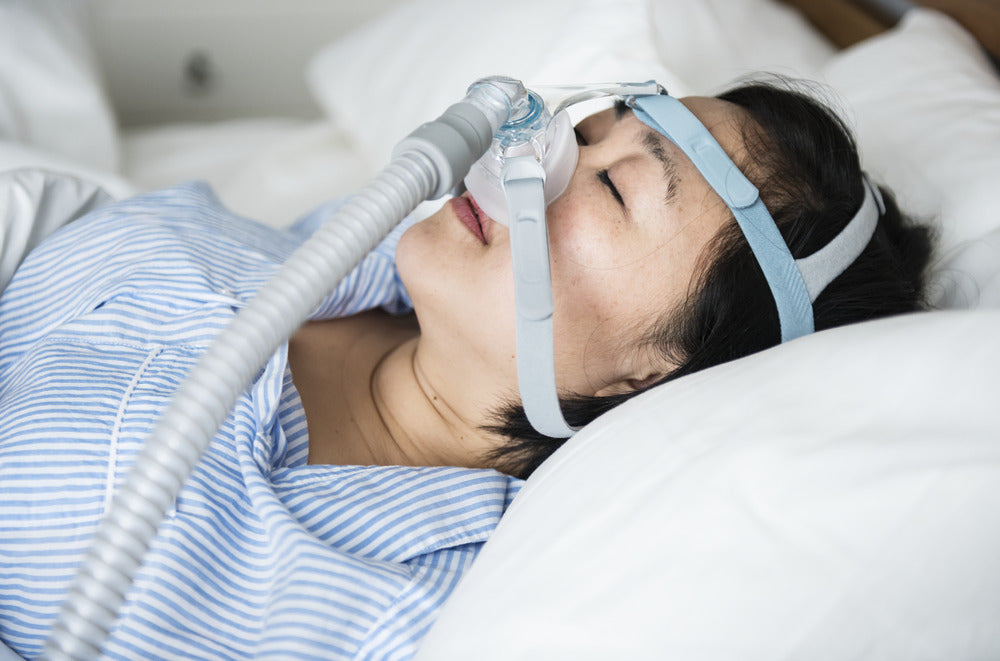
- CPAP (Continuous Positive Airway Pressure): This is the standard treatment for obstructive sleep apnea. A CPAP machine delivers a constant flow of air through a mask, keeping the airway open during sleep.
- Mandibular Advancement Devices (MADs): These dental devices are worn in the mouth and help advance the mandible forward, preventing airway collapse.
Surgical treatment
In severe cases or when other treatments are not effective, surgery may be necessary. Surgical options include the following.
- Uvulopalatopharyngoplasty: a procedure that involves removing excess tissue from the throat to widen the airway.
- Maxillofacial surgery: This may include repositioning the jawbones to increase airway space.
- Hypoglossal nerve stimulator: This is an implantable device that stimulates the nerve that controls the muscles of the tongue, keeping the airway open.
Other therapies
In some cases, complementary therapies may be beneficial.
- Behavioral therapies: including cognitive behavioral therapy for insomnia, which can help improve sleep quality.
- Treatments for associated conditions: Managing other health conditions, such as high blood pressure, diabetes, or gastroesophageal reflux, can help reduce apnea symptoms.
Treating sleep apnea is essential to improving quality of life and preventing long-term complications. A personalized treatment plan, developed together with a sleep specialist, can ensure the best results for each patient.
How to prevent sleep apnea?
The most important thing is to prevent sleep apnea by taking steps that can reduce the risk of developing the condition or lessen the severity of the symptoms. A crucial factor in prevention is maintaining a healthy body weight. Obesity, especially the accumulation of fat around the neck, can contribute to airway obstruction.
Avoiding alcohol and sedatives before bed is also important. These substances relax the neck muscles, which can worsen sleep apnea.
Quitting smoking is another effective preventative measure, as smoking can cause inflammation and congestion in the upper respiratory tract.
Maintaining a proper sleeping position can prevent sleep apnea. Sleeping on your side instead of your back can help keep your airway open. There are also special devices that help maintain this position throughout the night.
Prompt treatment of nasal congestion or other breathing problems can prevent apnea from getting worse. Using humidifiers and avoiding allergens help keep airways clear.
By taking these preventive measures, the risk of developing sleep apnea can be significantly reduced and the quality of sleep and life can be improved.
So, to avoid sleep apnea, take into account the prevention tips, and if you suspect that you suffer from this condition, go to the specialist doctor as soon as possible.
Sources:
- https://my.clevelandclinic.org/health/diseases/8718-sleep-apnea
- https://www.mayoclinic.org/diseases-conditions/sleep-apnea/symptoms-causes/syc-20377631
- https://www.webmd.com/sleep-disorders/sleep-apnea/sleep-apnea
- https://www.mayoclinic.org/diseases-conditions/obstructive-sleep-apnea/symptoms-causes/syc-20352090

Leave a comment
All comments are moderated before being published.
This site is protected by hCaptcha and the hCaptcha Privacy Policy and Terms of Service apply.