

If you have trouble sleeping, you may have already tried natural sleep remedies, including herbal supplements.
Valerian root is often referred to as "Nature's Valium" and people have been using it since the Middle Ages to treat sleep disorders such as insomnia.
This article discovers everything you need to know about valerian, including what conditions it can benefit, its safety and how to take it.
What is valerian root?
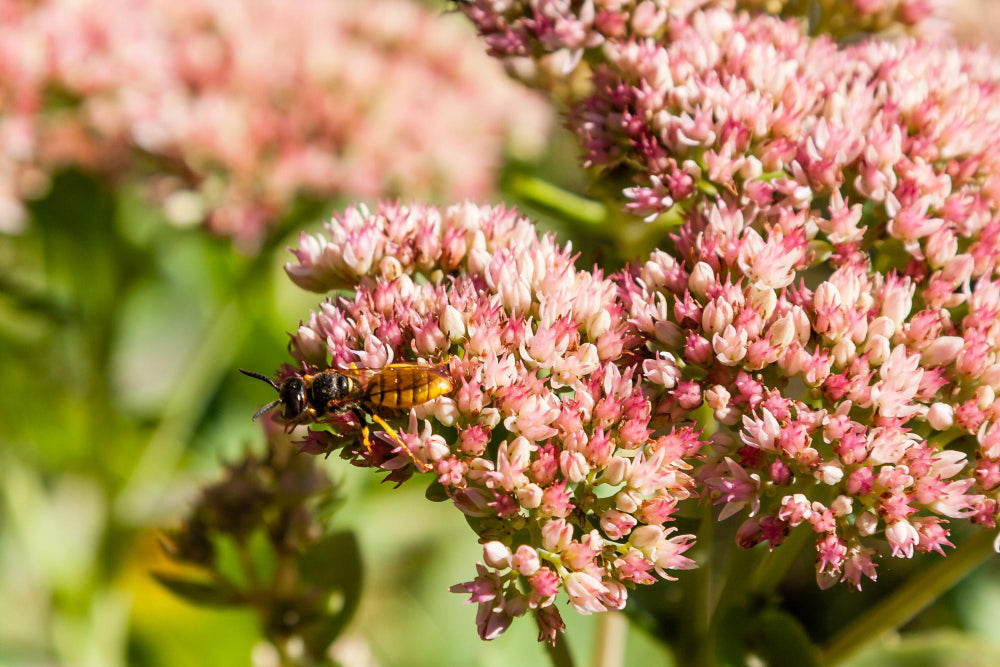
Valerian is a plant with pink or white flowers, native to Asia and Europe, now found wild in many other regions of the world, including the United States and Canada.
This perennial plant has been used as a natural remedy since the days of ancient Greece and Rome.
Unlike its pleasantly scented flowers, valerian roots have a very strong odor that many people find unpleasant.
The roots, rhizomes (underground stems) and stolons (horizontal stems) of valerian are used to create dietary supplements such as capsules and tablets, as well as teas and tinctures. So, valerian tea is recommended just before going to bed to relax and have a light sleep.
Valerian tea
Valerian tea is a natural remedy known for its calming properties and ability to induce sleep. Here are some of the effects this has on us:
- Reduces anxiety and stress
- Natural remedy for insomnia and other sleep problems
- Manages menopause symptoms
- It relieves cramps and muscle pain
However, it is important to consume it in moderation and follow medical recommendations to avoid possible side effects.

How does valerian root work?
Valerian root contains several chemical compounds that can impact the human brain and body, but researchers have not fully identified which compounds affect us. Most likely, several components act together to provide effects. Researchers have identified the following active compounds in valerian root:
- Iridoids, also called valepotriates
- Essential oils including valerenic acid and valeric acid
- lignans
- flavonoids
- GABA (at low levels)
Effects on the body
More research is needed, but valerian root may impact the body in a variety of ways. For example, the iridoids found in valerian root can act as anti-inflammatories and inhibit the expression of specific genes. Studies in mice suggest that valerian root can relieve pain in the body through flavonoids, which inhibit the creation of nitric oxide.
Effects on the brain
When it comes to the brain, researchers have primarily studied how the valerenic acid in valerian root affects GABA receptors, a type of neurotransmitter in the brain. The effect on GABA receptors is at least partly how valerian root supplements relieve anxiety, although its impact can vary from person to person, depending on their gender and age. Valerian root also has an impact on serotonin receptors, which are involved in mood and sleep.
Likewise, valerian root has been found to reduce brain activity in the motor cortex in response to stimulation, as well as alter the way brain waves in different parts of the brain work together in response to stress and anxiety.
Valerian benefits:
Valerian is extremely beneficial for our body, being used in stressful situations. Many studies have demonstrated its effectiveness, and doctors recommend its consumption (normally). Below are some of the benefits it has.
- Improving sleep: One of the most well-known uses of valerian is for promoting healthy sleep. Studies have shown that valerian extracts can reduce the time it takes to fall asleep and improve the quality of sleep, without producing addictive effects or persistent drowsiness the next morning.
- Calming and Relaxing Effects: Valerian has natural sedative properties that can help reduce anxiety and stress. Valerian consumption can induce a general state of calm and relaxation, being useful in situations of excessive mental or physical stress.
- Management of anxiety symptoms: Although its effects are not as strong as those of prescription anxiety medications, valerian can be helpful for people who experience mild to moderate anxiety. It is often used as a natural supplement to reduce symptoms associated with chronic stress and anxiety disorders.
Contraindications and Side Effects:
Let's not forget that before using valerian, we must inform ourselves about the side effects and contraindications, so as not to cause situations that we do not want.
- Drug Interactions: Valerian may interact with other medications, including sedatives, antidepressants, and anxiolytics. It is recommended to consult a doctor or pharmacist before starting to use valerian, especially if you are taking other medications.
- Mild side effects: Although generally considered safe when used correctly, valerian can cause some mild side effects, such as daytime sleepiness, dizziness, nausea, or digestive upset in rare cases.
- Not recommended for certain medical conditions: People with liver disorders or pregnant or breastfeeding women should avoid using valerian without consulting a doctor.
Valerian is a popular and natural option for improving sleep quality and managing stress and anxiety, however it is important to use it with caution and consult a specialist before starting a valerian treatment regimen to avoid potential interactions negative and to ensure safe and effective use.
Is valerian safe to consume?
Many studies have found valerian root to be a safe natural sleep aid. Researchers have found that taking valerian root regularly for up to 28 days does not cause problems for most adults.
People taking sedatives or other anti-anxiety or sleep medications should avoid valerian root. There is a chance that these drugs may interact or become too sedating when combined. Also, those who are pregnant or breastfeeding and children under the age of 3 should not take valerian root, as the risks have not yet been studied in these groups.
No studies have been conducted on the long-term safety of valerian root supplements. The American Academy of Sleep Medicine also advises against using valerian root for chronic insomnia because they have determined that there is not enough research to prove its safety or effectiveness.
That's why it's important to talk to a healthcare professional before taking valerian, especially if you're taking medication or other herbal supplements, or if you have one or more health conditions.
Sources:
https://www.webmd.com/vitamins/ai/ingredientmono-870/valerian


Leave a comment
All comments are moderated before being published.
This site is protected by hCaptcha and the hCaptcha Privacy Policy and Terms of Service apply.