

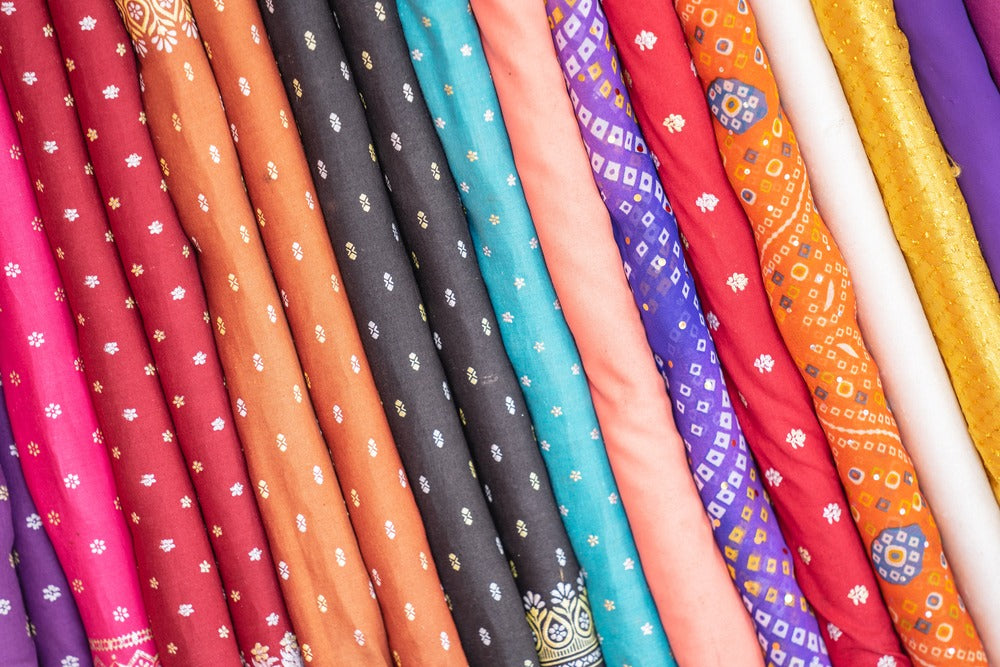
What are textiles?
Textiles are fabrics, fibers, fabrics or materials used in the manufacture of fabrics. At first, textiles only referred to fabrics. The word textile is derived from the Latin term "textilis", which means "woven". Now the word textile encompasses the materials used to make fabrics themselves.
Textiles are everywhere in our lives. They are in our clothes, our furniture, our carpets and our bedding. They can be made from natural or synthetic fibers, and can be woven, knitted or even printed.
Types of textile materials
Textile materials are divided into two categories, natural and synthetic. Both are present in our wardrobe, and we should learn more about them. For example, it is important to know the advantages and disadvantages they have, for which season they are used, etc.
Natural textile materials:
- They are made from natural plants, animals, minerals
- They have unique properties and characteristics
- Cotton, linen and silk allow for increased air circulation and moisture wicking as they are very light and comfortable
- Materials such as cotton, wool absorb sweat contributing to a more pleasant experience of wearing clothes
- Natural textiles will last you a long time because they are durable and resistant
- For example, wool will keep you warm in winter, because it insulates the cold thanks to the air pockets trapped between the fibers
- Natural textile materials do not harm the environment, because they are biodegradable
However, you should also know that natural textiles are not always comfortable because they cause itching. They also absorb liquids more quickly, so they can be harder to wash and remove. If they are in an environment with increased humidity, mold can appear on them. The price of an article of clothing made of natural textile materials is usually higher than the others.
Synthetic textile materials:
- They are fibers that are produced in factories by chemical synthesis
- Compared to natural ones, they are considered more resistant
- They are designed in such a way as to avoid wrinkles
- The brightness and intensity of the colors are preserved for a long time
- Most can be washed in the machine without any problem
- They are quite cheap
Like natural ones, synthetic ones have some disadvantages. Through them, the air does not penetrate so easily, which makes us sweat more easily. Unfortunately, synthetic textiles are not biodegradable, contributing to pollution, and some of them release microplastics when washed. Synthetic materials are made from non-renewable resources such as petroleum. Production requires substantial energy.
Below we will present some of each of the two categories, synthetic and natural, what they are made of and what they are used for.

Skin turned
The hide is the inner surface of animal hides, visible on the underside of the hide, which gives a velvety feel. The term is used for any type of skin with a velvety surface. Its texture is usually soft and velvety when it comes to the skin of younger animals. This material is used to make accessories, such as gloves, bags, but also for shoes or jackets.

Polyester
Polyester is a general term for any fabric or textile that is manufactured using synthetic polymer yarns or one that is composed of a number of different chemicals. It is the most used material, but also the cheapest. We can use it for furniture, tires and more.

Velvet
Velvet has a distinctive pattern that is made up of twisted fibers. It is a luxurious, elegant material with a soft, pleasant and glossy surface. If it is carefully maintained, it is very durable, in fact it can look flawless for several decades. Velvet is very versatile, being used in many ways. For example, velvet curtains look expensive and luxurious. The same goes for furniture products, namely soft ones, such as chairs, sofas and others.

Wool
Wool is a type of textile material derived from the hair of various animals. Many people associate this material with sheep, there are other types of wool that come from animals other than sheep.
It is resistant, durable and elastic. Wool is perfect for the cold season, used in sweaters, jackets, socks and blankets. It can also be used in making carpets. The most important factor is that it is biodegradable and does not pollute.

Satin
Satin is a natural, smooth and glossy fabric produced using the satin weave. Due to the concentration of fibers and the flexibility of the fabric, satin creates a soft and light drape that makes them ideal for evening wear and curtains. Because it is soft and slippery, it can be difficult to sew. It is also used for bedding, being very beneficial for the health of the skin and hair.

viscosity
Viscose is a man-made fiber created from cellulose that has been chemically extracted from trees. It falls between natural and synthetic fibers as it is not a truly natural fabric that is grown, nor is it fully synthetic as it is composed of tree cellulose.
It is a very soft and comfortable material that retains its shape and color. It is found in clothing and accessories such as scarves.

Silk
Silk is considered an expensive material because its production cost is quite high. Her appearance gives off a luxurious and elegant vibe. It is produced by insects such as beetles, bees, bumblebees, as nest material. As for the use of satin, we find it very often in the making of wedding dresses, ties and scarves, because, as mentioned above, it gives an elegant look.

Artificial fur
Artificial fur, also called fake fur, is woven to give the look and warmth of animal fur. It is not sustainable if it is not of high quality. So, I recommend you to buy quality faux fur products so that you don't wear or use that product only once. Most often we meet this material in the manufacture of winter jackets, blankets and others.

Denim
Denim is one of the most iconic textiles in the world. It is extremely durable and usually blue in color. The best part of this material is that it is used in many products. In addition to jeans, denim is also used to make jackets, shirts, bags, tops and more.

Skin
Although not a woven textile, leather is considered by many to be the first fabric. Leather is a durable and flexible material created by tanning raw animal hides. Nowadays, leather is used in practical applications such as motorcycle clothing, along with fashion pieces such as jackets. Also, natural leather footwear is considered extremely high-quality, comfortable and durable.

In
Flax is a natural fiber derived from the stem of the flax plant. The finest linen comes from Europe, specifically from Belgium, where the climate is optimal and the soil rich. Linen fabrics are heavier than their cotton counterparts, but are about 30% stronger. Linen fabrics are preferred in the warm season due to the fact that air penetrates very easily through it. A curiosity about linen is that it is hypoallergenic.

Modal
Modal is a type of semi-synthetic textile fiber, derived from cellulose usually extracted from beech wood. Modal fabric lasts a long time, maintains its color for a long time, does not shrink and the fabric does not keep after rubbing.


Leave a comment
All comments are moderated before being published.
This site is protected by hCaptcha and the hCaptcha Privacy Policy and Terms of Service apply.