

You open the closet to grab a favorite item of clothing and notice small holes in the fabric, loose threads, or fine dust on the shelves. At first, it seems like an accident, but the signs keep reappearing. Often, the culprits are clothes moths: discreet insects that can go unnoticed for a long time but cause real damage to natural textiles.
Once established, they can multiply rapidly if they find suitable conditions. Clear information on what they look like, what attracts them, and how to control them will help you protect your clothes and avoid unpleasant surprises in your closet.
Which species of moths "eat" clothes?
Not all moths attack clothes. Most moths we see around lights or in the kitchen have no connection to textiles. However, there are a few species specialized in consuming natural fibers, and these are responsible for the damage in closets.
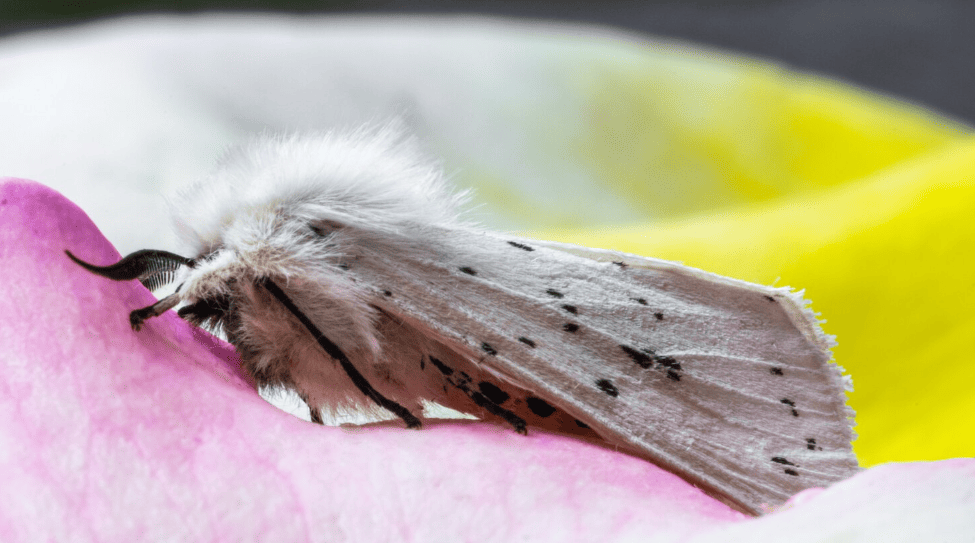
The most common is the common clothes moth (Tineola bisselliella). It is small, yellowish-golden, with narrow, shiny wings. It prefers dark, quiet spaces, which is why you rarely see it flying around the house. Its larvae are the ones that damage clothes, not the adults. They feed on keratin, a protein found in wool, cashmere, silk, fur, and feathers.
Another common species is the case-bearing moth (Tinea pellionella). Its larvae build a small "case" from textile fibers and move around carrying it, which sometimes makes them easier to spot. This species also prefers natural fibers and dimly lit areas.
More rarely, other related species may appear, but their behavior is similar: adults lay eggs on textiles, and the larvae consume the material. Dirty clothes, with sweat marks or organic residues, are even more attractive to them, as they provide additional nutrients. Therefore, cleanliness and proper storage play a major role in protecting clothes.
How do you recognize a clothes moth?
Clothes moths are difficult to spot at first because they avoid light and busy areas. Often, their presence is only discovered when signs appear on clothes or in the closet's wardrobe. Adult insects are discreet and short-lived, and the actual "culprits" for the damage are the larvae. Therefore, the clues are more likely to appear on textiles rather than in the form of moths flying around the house.
Holes in clothes
One of the clearest signs is the appearance of small, irregular holes, especially on clothes made of wool, cashmere, silk, or other natural fibers. The holes do not necessarily appear in visible areas; they are often on the back, underarms, or in folded areas. Moths do not "gnaw" at the material like a rodent; the larva consumes the fibers for food. If you notice several affected items in the same closet, it is a solid indication of infestation.
Moth larvae
Larvae look like small, whitish worms with brown heads, a few millimeters long. You can find them on clothes, in fabric folds, in closet corners, or on shelves. Sometimes they are accompanied by thin threads, like a fine web, or small cocoons. These are clear signs that moths have established themselves and are developing.
Other possible signs of clothes moth infestation
You may also notice small cocoons stuck to textiles or closet walls, fine dust resembling lint, or small moths that quickly flee when you turn on the light in the closet. A slightly musty smell in storage spaces can accompany older infestations.
How to get rid of moths?
Eliminating clothes moths involves more than removing visible insects. It is important to break their life cycle and eliminate eggs and larvae, otherwise the infestation can reappear.
Cleaning and inspecting clothes
The first step is a thorough inspection of clothes and textiles. Any suspicious item should be removed from the closet, washed or dry-cleaned according to the label. Clean and completely dry clothes are much less attractive to moths, as they prefer textiles with sweat marks or organic residues. Storing in airtight containers or special garment bags greatly reduces the risk of re-infestation. Clothes should be washed at at least 50°C to eliminate larvae.
Cleaning storage spaces is essential. Closets, drawers, and shelves must be emptied and thoroughly vacuumed, paying attention to corners, joints, and hard-to-reach areas where eggs or larvae may be hiding. The vacuum cleaner bag should be disposed of immediately after cleaning. If there are carpets nearby, they also need to be thoroughly vacuumed, as they can collect hair and natural fibers that become food for larvae. Even if synthetic fibers are not consumed, dirt trapped in the carpet can support their development.
It's worth knowing that moths can also get into upholstered furniture. Sofas, armchairs, and decorative pillows can become shelters for larvae, especially in undisturbed areas. Regular vacuuming of these items helps prevent infestation.
Using adhesive traps
Adhesive pheromone traps are a practical and safe method for controlling clothes moths. They contain substances that mimic female pheromones and attract males. Once captured on the sticky surface, males can no longer reproduce, which gradually reduces the population.
Traps are placed in closets, on shelves, or in areas where textiles are stored. They are useful for both control and monitoring: if moths are caught in the trap, you know there is activity in the area. In larger spaces, using multiple traps helps identify outbreaks.
These traps are preferred in places where valuable items or sensitive textiles are kept, as they do not involve chemicals that could damage the materials. They are a discreet and effective method of controlling moths and preventing their recurrence.
Natural solutions to get rid of clothes moths

In addition to cleaning and proper storage, many people prefer natural solutions to keep clothes moths away. Moths are sensitive to smells and a lack of food sources, and many natural remedies are based precisely on these two things: smells they avoid and conditions that are unfavorable to them.
Protection for household clothes
Clothes worn frequently at home can become attractive to moths if stored unwashed. Sweat, dead skin cells, and body odors are food for larvae. For protection, it is useful for clothes to be washed before longer-term storage. Closets should be aired periodically, and clothes should not be excessively crammed, as moths prefer quiet and dark spaces. Occasional shaking and reorganizing of clothes disrupts their development cycle.
Protection for wool clothes
Wool is among the moths' favorite materials due to its keratin content. Wool sweaters, coats, and scarves need special attention. Before seasonal storage, wool clothes should be cleaned and thoroughly dried. Storing in sealed boxes, vacuum bags, or zippered textile covers greatly reduces the risk. Periodic exposure to air and light is also useful, as moths avoid frequently disturbed environments.
Protection for cotton clothes
Cotton is less attractive than wool, but it can be attacked if it has stains, sweat marks, or food residues. Larvae can consume fibers when other sources are absent. Regular washing and storage in clean, dry spaces are sufficient in most cases. Clean drawers, free of dust and lint, greatly reduce the risk. It is also recommended not to keep dirty clothes in the closet for long periods.
Lavender sachets for moths
Lavender is one of the most well-known natural solutions against moths. Its smell is pleasant to humans but repellent to these insects. Sachets with dried lavender flowers can be placed in closets, drawers, or clothes boxes. For greater effectiveness, a few drops of lavender essential oil can be added to the sachet.
The scent needs to be refreshed every few months, as it fades over time. Essential oils of lavender, eucalyptus, peppermint, or cloves can have a similar repellent effect if applied to pieces of wood, textile pads, or cotton balls placed in the closet.
Cedar wood sachets for moths
Cedar wood is a traditional natural repellent. It contains aromatic oils that moths avoid. That's why many old closets were made of cedar. Cedar cubes, balls, or plates can be placed among clothes. Over time, the scent diminishes, but it can be reactivated by lightly sanding the surface or applying cedar essential oil. It is a natural, discreet, and suitable solution for constant use.
Naphthalene
Naphthalene has long been known as a method of protection against moths, but it is not a natural but a chemical solution. It works by sublimation, i.e., by releasing vapors that repel or kill insects. Although effective, it has important disadvantages: a strong, potentially irritating odor and potential toxicity in poorly ventilated spaces. For this reason, many people choose safer alternatives. If used, it must be kept away from children and animals and used strictly according to instructions.


Leave a comment
All comments are moderated before being published.
This site is protected by hCaptcha and the hCaptcha Privacy Policy and Terms of Service apply.