

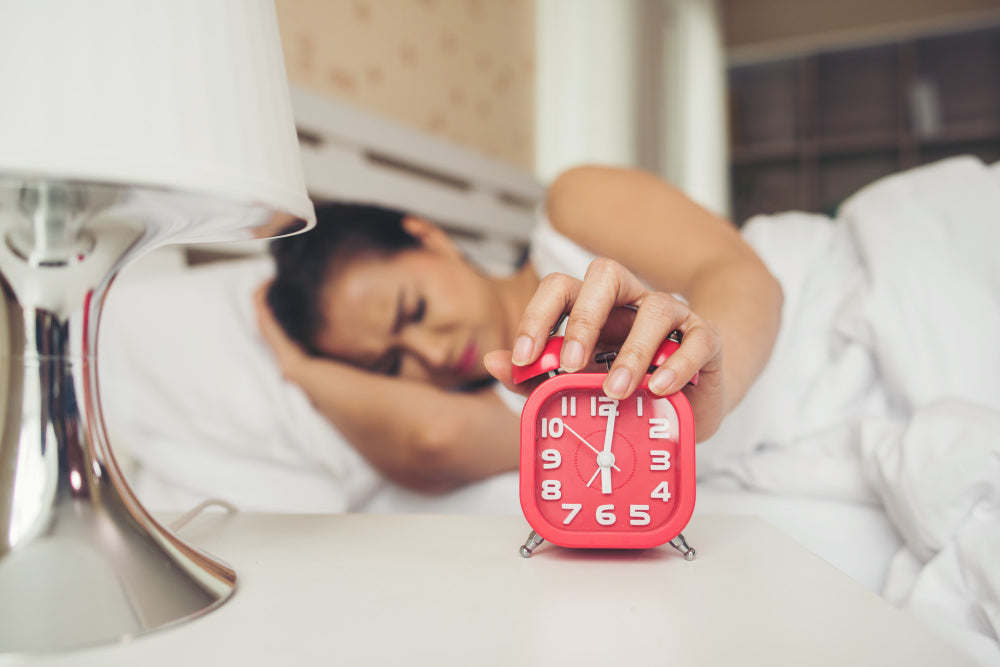
Sleep is, without a doubt, one of the most important factors that contribute not only to maintaining a proper state of physical and mental health, but also to increasing productivity. But you most likely know these things and want to know more exactly how many hours you need to sleep to feel rested and excellent every day.
Scientific research in recent years has concluded that this question does not have a simple answer, sleep being a biological process influenced by numerous factors related to age, lifestyle, personal health and so on. For example:
- Children and teenagers need more sleep than adults, and older people may experience changes in sleep patterns, such as waking more frequently during the night.
- Health problems such as insomnia, sleep apnea, or anxiety and depression disorders can significantly affect sleep.
- Air quality, noise level, room temperature and bed comfort are factors that can affect how well a person sleeps.
- Regular physical activity can improve sleep quality, while a sedentary lifestyle can lead to sleep problems.
Do you wake up tired? Is making coffee the first thing in the morning? Do you feel that you cannot function normally without 1-3 coffees during the day? If the answer is "YES" then it's time to reevaluate your sleep routine to make sure you're getting enough hours of quality rest .
How many hours should you sleep according to your age?
Each individual has their own sleep rhythm, and finding the right one is essential for optimal health and high energy levels.
If you wake up naturally and feel refreshed throughout the day, you have reached the optimal balance. The ideal number of hours of sleep varies from person to person, but there are some general recommendations that you can rely on to create your ideal routine.
According to the National Sleep Foundation, the following data is a useful guide and a valuable starting point for determining your personal and family needs:
- Infant (4-12 months): 12-16 hours;
- Child (1-2 years): 11-14 hours;
- Preschool (3-5 years): 10-13 hours;
- Schoolboy (6-12 years): 9-12 hours;
- Adolescent (13-18 years): 8-10 hours;
- Adult (18 and over): 7 hours or more.
However, each individual is different and has different needs. To find out exactly how many hours you need to sleep, it will be recommended to keep a diary in which you write down a few details every morning to better understand how your body and mind react to routine changes.
An even simpler option is to use a smartwatch and a semi-automatic application like Sleep Cycle, which collects the data without having to use the classic sheet with a pen. And what's more, you don't even have to worry about forgetting to write down your daily notes.
Now, among the most important elements you can mean are:
- How many hours did you sleep;
- Sleep quality;
- What did you eat the night before and at what time;
- Ambient temperature;
- If you did physical exercises a day ago and at what time;
- Dreams - this can help you understand if you have anxiety or other emotions that can affect your rest.
In time you will be able to understand the patterns, the ideal number of hours of sleep, and what habits you need to adopt in order to enjoy a sharp mind and a healthy body every day.
How to increase the quality of rest and optimize your sleep hours?

Although you now know approximately how many hours you need to sleep, this is not enough to get a restful night. Improving the quality of sleep is fortunately easy to achieve, especially if you consider a few important aspects:
- Create a consistent sleep schedule - set a bedtime and a wake-up time. Every day, whether it's a regular weekday or a weekend, make sure you follow it strictly. This will regulate and stabilize your internal clock.
- Optimize your bedroom - a relaxing bedroom will promote sleep and help you fall asleep faster. If you make your bedroom your sanctuary, it will be easier for you to find peace and the way to restful sleep. Imagine a pleasant bedroom, nicely decorated, with 2-3 natural scented candles, with all things ordered in their place and airy space.
Now think of a bedroom cluttered with all kinds of small things, with flashy shades or sophisticated combinations on the walls and ceiling, with clothes scattered everywhere, too much furniture or even a carpet that is too thick and rough.
It is easy to realize that in the first bedroom you will be able to rest better, but in the second bedroom you may feel stuck by chaos, disorder. To not find your peace to enter that deeply regenerating and energizing sleep.
The bedroom can be improved easily and quickly if you consider a few key factors:
- It maintains the temperature of the bedroom at a value between 15.6 and 20 degrees Celsius.
- Eliminate noise sources, and if they come from outside, use earplugs or a device for generating white noise.
- Minimizes the amount of light in the room. Equip your windows with blackout curtains and use low-power ambient lighting.
- Use appropriate bedding and dress in high-quality pajamas. Nothing compares to the feeling of sitting on a freshly made bed, with comfortable and pleasant to the touch linen. Opt for natural materials, such as cotton, for both bed linen and pyjamas. Cotton or modal are ideal because they allow the skin to breathe and prevent overheating, thus contributing to uninterrupted and restful sleep.
- Create a pleasant and relaxing bedtime routine - To ensure you have an uninterrupted and restful night, it is recommended to establish an evening routine that allows your body and mind to relax and prepare for sleep. rest. Thus, the following activities are just a few things you can do to promote relaxation and sleep:
- Take a cold shower or a warm bath. Warm water will not only relax you, but it will increase your body temperature. After you get out of the bath or shower and sit in bed, you will simply feel how you cool down. On the other hand, there are people for whom a cold shower before sleep works better for a better quality of rest. Our recommendation is to test and see what helps you fall asleep more easily: a warm bath or a cold shower.
- Read a book and avoid electronic devices - Reading can be a great way to relax and disconnect. It is recommended to avoid using your smartphone, tablet or TV at least an hour before going to bed, because the blue light emitted by them interrupts the production of melatonin in the brain (the hormone responsible for inducing sleep).
- Meditate - breathing exercises and meditation can also be great ways to reduce your anxiety and accumulated stress. These activities were correlated with lower levels of depression, deeper sleep, and better overall health.
- Avoid alcohol and nicotine at least 2 hours before going to bed. Also, the last cup of coffee should be consumed by 13:00 - 14:00, as it takes about 8 - 10 hours for it to be completely eliminated by the body.
- Manage your mental health - stress and anxiety are among the most important factors that can disrupt your sleep hours. If you notice that you are not resting properly, you are tired even though you have slept a sufficient number of hours, you wake up in the middle of the night or you simply cannot fall asleep, it will be recommended to take measures.
- Relax before bed - yoga, meditation and breathing exercises are an excellent way to detach yourself from negative thoughts;
- Keep a journal in which you write down your ideas, thoughts, emotions and anything else you need to free yourself from stress and anxiety;
- Depending on the severity, it may be recommended to consult a specialist. He will help you find the best solutions for you and get the necessary tools to face daily challenges more easily. This will not only improve your hours of rest, but also the quality of your everyday life.
- Enjoy a physical training session every day - sport is one of the best and healthiest ways to reduce stress and improve the quality of your sleep. Try to include at least 30 minutes of intense physical exercise in your daily routine. However, it is important not to do them too close to bedtime, as this activity can prevent falling asleep.
Now that you know how many hours you need to sleep and what you need to do to optimize your sleep routine, there is nothing left to do but enjoy days full of energy. By adopting healthy habits and making changes both in the bedroom and in your daily routine, you will be able to improve the quality of your sleep and feel full of energy every morning.
Sources:
https://www.ncbi.nlm.nih.gov/pmc/articles/PMC6267703/
https://pubmed.ncbi.nlm.nih.gov/25979105/
https://pubmed.ncbi.nlm.nih.gov/27707447/
https://www.mayoclinichealthsystem.org/hometown-health/speaking-of-health/7-tips-to-live-a-happier-life
https://newsinhealth.nih.gov/2021/04/good-sleep-good-health
https://www.sleepfoundation.org/how-sleep-works/how-much-sleep-do-we-really-need
https://www.health.harvard.edu/blog/how-much-sleep-do-you-actually-need-202310302986
https://www.betterup.com/blog/cold-or-hot-shower-before-be


Leave a comment
All comments are moderated before being published.
This site is protected by hCaptcha and the hCaptcha Privacy Policy and Terms of Service apply.