


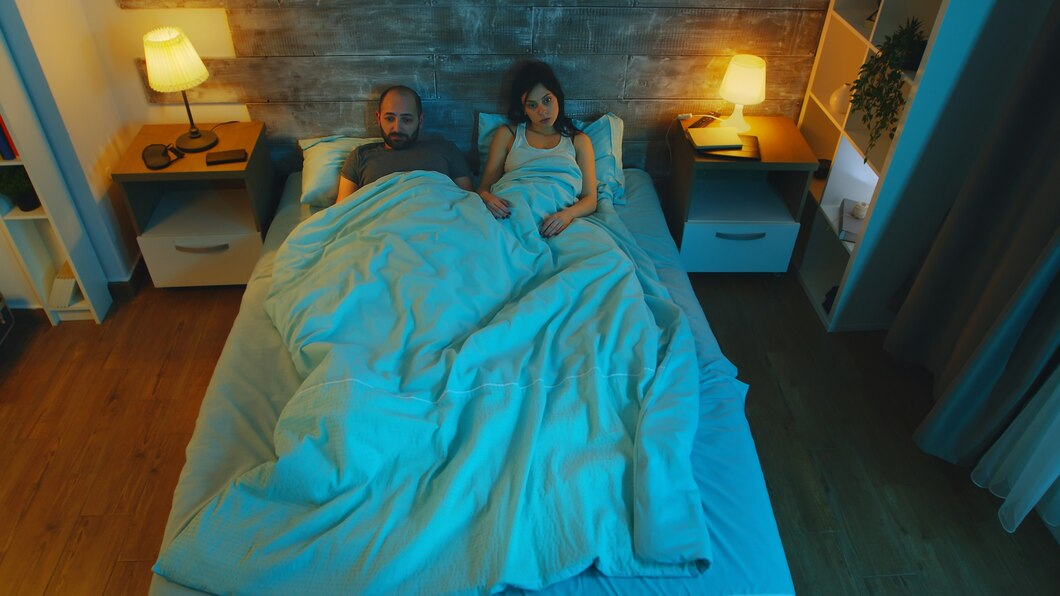
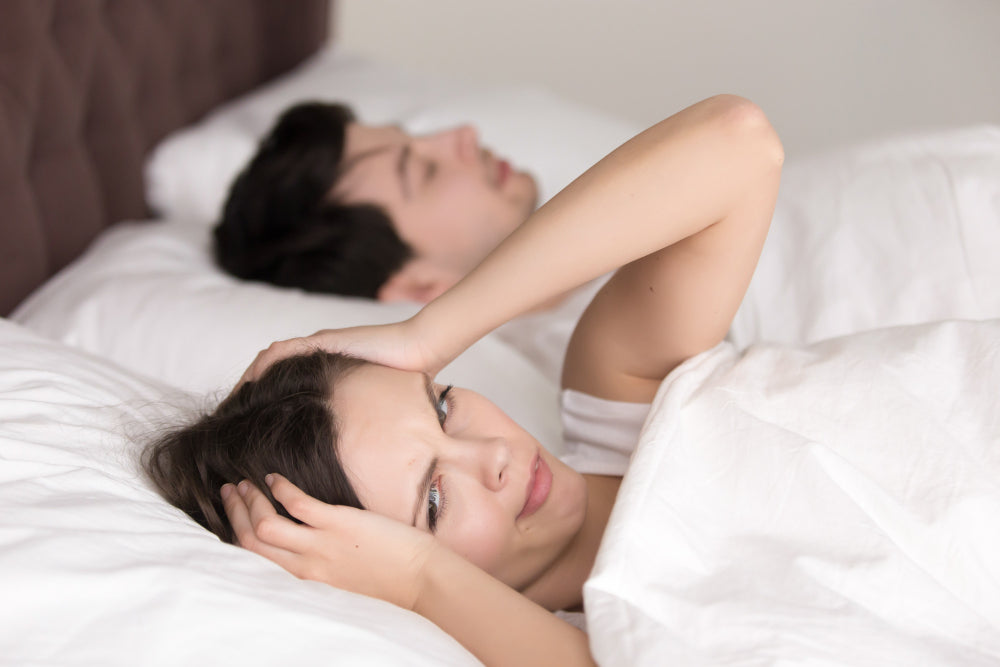
Did you know that startling in your sleep is a common experience of people and even animals, but often surprising and confusing? Many people have experienced those moments where, just before falling asleep, they feel a sudden jerk in their body, almost as if they are falling or losing their balance. This involuntary movement can be strong enough to momentarily wake you up or make you feel disoriented. Sleep twitching is usually a harmless physiological reaction, but in some cases it can be a sign of a more serious health problem.
While many people find sleep twitching to be bothersome, others barely notice it. Each of us can startle in our sleep for various reasons, and these sudden movements are, in most cases, a normal part of our body's transition from wakefulness to sleep. However, there are also external and internal factors that can influence the frequency and intensity of these twitches. Next, we'll talk about the common causes of startling in your sleep, what the experience feels like, and how you can manage or prevent these episodes.
Causes of startling in sleep
It is good to know that sleep startling occurs during the transition between wakefulness and sleep. This is the short period between when we are still conscious and the state of deep sleep. During this transition, the body begins to relax and brain activity changes. In this process, nerve impulses can occur that cause sudden muscle movements.
There are several theories that try to explain why we startle in our sleep. For example, when the body begins to relax, the brain can interpret this rapid relaxation as a sign of danger. It might mistakenly perceive the state of relaxation as a fall and, in response, send out impulses to "wake up" and protect us. This theory is supported by the fact that many of the startles are accompanied by the sensation of falling.
If we are very tired, our body can go through the stages of sleep more quickly, and this can disrupt the normal mechanism of falling asleep. This jump from wakefulness to sleep can cause hypnic myoclonus.
People who experience stress or anxiety have more intense mental activity before bed. Agitated thoughts and mental tension can disrupt the normal relaxation process, which can lead to flinching.
Excessive consumption of caffeine or other stimulants, especially before bed, can increase the risk of experiencing sleep twitching. These substances influence the activity of the nervous system and can make the transition to sleep more difficult.
Also, the lack of a well-established sleep schedule can disrupt natural sleep cycles and promote episodes of sleep startling. Furthermore, in rare cases, sleep twitching can be associated with certain medications, especially those that affect the nervous system. Also, neurological conditions such as epilepsy or restless legs syndrome can lead to involuntary movements during sleep.
How it feels when you startle in your sleep
The experience of startling in sleep varies from person to person, but is often described as a sudden and unexpected jerk of a limb or even the whole body. For many, the sensation is similar to the feeling of slipping or falling, and this can trigger a short-term panic reaction.
When you startle in your sleep, you may feel disoriented or even restless for a few seconds before you realize that everything is okay. The movements can be isolated to a single limb, such as a leg or hand, but can also involve a wider jerk that includes the head or trunk. These movements are usually short and last only a few fractions of a second.
Some people may experience these twitches frequently, while others may experience them occasionally. In some people, hypnotic myoclonus is intense enough to cause a sudden awakening, while others don't even remember being startled.

When to go to the doctor
The occasional startle in your sleep is usually nothing to worry about and is part of a normal sleep cycle. However, if these movements become frequent, intense, or significantly disturb your sleep quality, you may need to see a doctor.
Some signs that indicate you should see a doctor are outlined below. For example, if you wake up several times a night because of these jerks or if you have difficulty falling asleep because of them, it is important to talk to a specialist.
If the startles constantly disrupt your sleep and you feel tired throughout the day, this may indicate an underlying problem.
If the twitching is accompanied by other abnormal body movements or pain, it is important to consult a doctor to rule out more serious conditions. If you have other symptoms, such as tremors, frequent muscle spasms, weakness or numbness, they could indicate a neurological problem.
Your doctor may perform additional tests, such as an electroencephalogram (EEG) to monitor brain activity or a polygraph to study movements during sleep.
How to avoid startling in your sleep
Although you can't completely prevent all episodes of startling in your sleep, there are some strategies you can apply to reduce their frequency. Most important is to maintain a regular sleep schedule: A consistent sleep cycle helps the body adapt and can reduce stress on the nervous system. Try to go to bed and wake up at the same times every day, even on weekends.
Then, cut back on caffeine, nicotine, and other stimulants, especially later in the day. These substances can disrupt sleep and promote startling.
It's good to create a relaxing ritual before going to bed, such as reading a book, meditating or taking a warm shower. This helps the brain gradually transition from wakefulness to sleep.
Also, the blue light emitted by phones and computers can disrupt the production of melatonin, a hormone that regulates sleep. Try to avoid screens at least an hour before bed.
Physical activity can help reduce tension and stress built up during the day, which can contribute to deeper, more restful sleep.
If stress or anxiety is affecting your sleep, find relaxation techniques to help calm your mind, such as yoga, deep breathing, or cognitive behavioral therapy.
Sleep startling, although often benign, can become a source of discomfort if it is frequent or intense. However, it is important to understand that this phenomenon is a natural reaction of the body, part of a natural transition between wakefulness and sleep. Adopting a balanced lifestyle with an emphasis on managing stress and maintaining a healthy sleep routine can help prevent startle episodes. If they become persistent or are associated with other symptoms, consulting a specialist can help identify possible underlying conditions and improve sleep quality.
So, by implementing some sleep hygiene measures and eliminating triggers, you can significantly reduce the frequency of this phenomenon and enjoy a restful sleep.
Leave a comment
All comments are moderated before being published.
This site is protected by hCaptcha and the hCaptcha Privacy Policy and Terms of Service apply.