

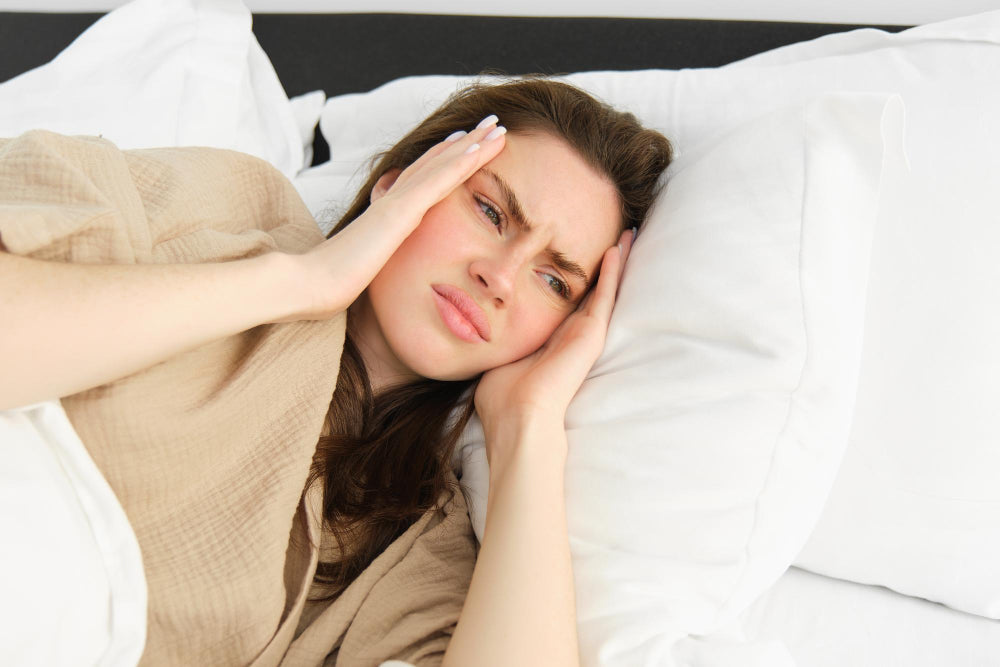
Sleep is an important biological process for both your mental and physical health. A sleepless night will have negative effects on your general condition as well as on your productivity, so you will need to take preventive measures to ensure that the problem of night sweats is solved and managed properly.
Sweating during sleep - what are the main causes
- Infection or fever - it is well known that when a person is experiencing a fever, they will sweat excessively. Body temperature rises in response to infection in an attempt to eliminate pathogens, and sweating is a mechanism by which the body attempts to regulate its internal temperature to maintain a stable balance.
- Hormonal disorders - hormonal disorders, especially in the case of women, are some of the most common causes of night sweats. Menopause generally leads to considerable estrogen fluctuations that can trigger fatiguing hot flashes and sleep sweats. Irregular or absent cycles can affect hormonal balance and contribute to night sweats. But even during a normal menstrual cycle, hormonal fluctuations can cause night sweats, especially during ovulation or before menstruation. Even men who have low testosterone will notice that they face such a problem. Hypoglycemia, or low blood sugar, can cause night sweats because the body tries to compensate for the low blood sugar by increasing heart rate and sweating. Hypoglycemia can cause anxiety and panic attacks, which in turn can intensify sweating.
- Hyperthyroidism is also another possible cause of night sweats, as it affects the endocrine system and can lead to body temperature irregularities.
- Side effects of drugs - treatments involving drugs can cause night sweats as a side effect. Antidepressants, hormone therapy or diabetes medications are just a few examples that can cause restless and tiring nights.
- Medical conditions - there are many medical conditions, such as certain types of cancer (lymphoma, leukemia, multiple myeloma, solid tumors), hypoglycemia, apnea, chronic fatigue syndrome, that can cause sweating during sleep. In such cases it is important to consult a specialist doctor to follow an appropriate treatment in case this problem becomes frequent or severe.
- Anxiety and stress. When we are anxious or stressed, our bodies go into a state of alert, which can lead to a number of physical reactions, including sweating. This happens because the sympathetic nervous system, responsible for the fight or flight response, is activated and stimulates the sweat glands.
- The temperature in the room is too high - Although it is possible that this problem is caused by a medical condition, in many cases, it is simply the result of the ambient temperature in the bedroom being too high.
- The wrong choice of bedding or pajamas can be another, less severe cause of profuse night sweats. Heavy synthetic materials that do not allow the skin to breathe can increase heat build-up and cause high thermal discomfort. Overheating thus becomes a factor that will considerably affect the quality of your sleep and will certainly make you wake up in the middle of the night.
- Lifestyle - excessive consumption of coffee, alcohol, tobacco, spicy food or fats can lead to sweating during sleep. Also, intense physical exercises before bed can not only interrupt your sleep, but can significantly increase the chances of sweating.
Heavy sweating and fatigue - tips for improving sleep quality

If you are faced with night sweats, it will be essential first to pay special attention to the bedroom, the sleeping conditions, as well as the activities carried out in the hours before sleep.
- Check and manage the temperature in the bedroom - Probably one of the easiest ways to solve this problem is to create a cooler sleeping space. The optimal temperature for a restful night is between 15.6 and 20 degrees Celsius. In the summer, especially, it can be difficult to reach this value, but with the help of a fan or an air conditioner you will be able to create an atmosphere that promotes quality sleep.
- Choose the right bedding - cotton can be a good choice during the summer, as it is a breathable material, which will allow for more efficient body thermal regulation. You can also opt for lighter fabrics to maximize air circulation and maintain a cool and comfortable environment.
- Dress in high-quality pajamas - just like underwear, pajamas play an important role in maintaining a stable temperature during sleep. A quality material like cotton can significantly contribute to an uninterrupted night. A loose, breathable pajama consisting of a short-sleeved T-shirt and shorts will be the right choice when dealing with excessive night sweats.
- Adjust your diet - avoid spicy food and alcohol before bed. It is recommended to opt for a balanced diet, rich in vegetables, fruits, lean proteins and whole grains. Heavy food, full of salt, sugar and fat will significantly increase the chances of sweating.
- Manage your stress - Create a relaxation routine before bed. Do breathing exercises or yoga, meditate or enjoy your favorite book. These activities will help you significantly reduce your anxiety and stress accumulated during the day.
- Call a specialist doctor - If you notice that sweating is frequent and has not been resolved by the changes mentioned above, it will be recommended to consult a doctor. He will be able to conduct further investigations to find the cause of excessive night sweats and devise an appropriate treatment plan.
Sweating is a normal phenomenon that anyone experiences throughout the day, but when it happens excessively at night, it can become a problem. Fortunately, in many cases, sleep sweating episodes are not caused by a worrying medical condition.
If you've tried making changes to your routine and improving your sleep quality, but you still notice that you sweat excessively at night, you should consult a doctor. This is even more important if you are not only sweating, but also have other worrying symptoms such as cough, fever, headache or weight loss. The doctor can analyze your state of health, do investigations or send you to do certain more detailed analyses. Thus, he will be able to discover the exact reasons why you sweat a lot at night and consequently he will be able to prescribe an appropriate treatment.
However, they can significantly affect your daily life and overall health. So, choose to enjoy quiet and restful nights by gradually changing your sleeping conditions, as well as by consulting a specialist doctor. You deserve to live every day exactly as you want and to rest properly.
Sources:
https://health.clevelandclinic.org/night-sweats-how-you-can-find-relief
https://www.sleepfoundation.org/night-sweats
https://www.mayoclinic.org/symptoms/night-sweats/basics/causes/sym-20050768
https://osteopathic.org/what-is-osteopathic-medicine/night-sweats/
https://www.merckmanuals.com/home/infections/biology-of-infectious-disease/fever-in-adults
https://www.nia.nih.gov/health/menopause/what-menopause
Leave a comment
All comments are moderated before being published.
This site is protected by hCaptcha and the hCaptcha Privacy Policy and Terms of Service apply.