

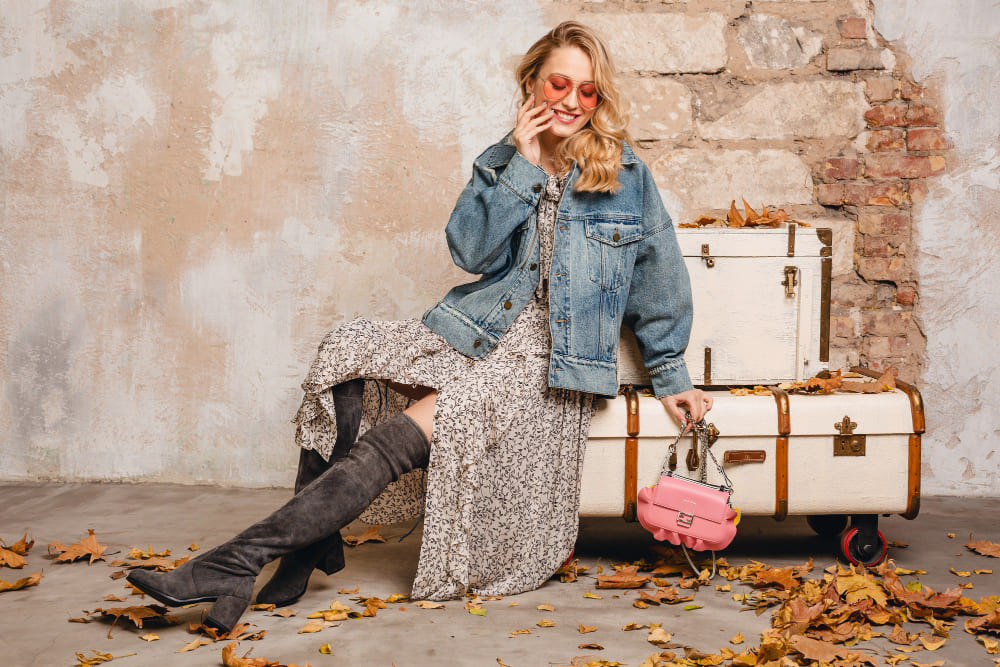
Have you heard of the boho style before? The name is short for “bohemian” and is an approach to fashion that reflects a freedom of expression and an appreciation of naturalness and unconventional art. It is a style that was influenced by the hippie culture of the 1960s and 1970s, but also by the bohemian traditions and aesthetics in Europe, and which continues to be a popular choice today, both in fashion and interior design or even in the attitude towards life. The boho style has an eclectic character and is characterized by a combination of elements inspired by different cultures and historical periods, all integrated into a harmonious mix, which conveys a feeling of relaxation and authenticity. We present below how you can integrate it into your outfits.
What is boho style and how did it come about?
The boho style emerged in the 19th century, when a group of artists and intellectuals in France adopted a bohemian lifestyle that rejected social conventions and favored personal freedom. They were often associated with a simpler lifestyle, in which clothes were often worn in an informal manner and often a mix of clothing from different cultures or historical periods. Clothing designs were often inspired by Romani traditions and peasant style, with an emphasis on natural materials and relaxed shapes.
However, the boho style we are familiar with today began to gain popularity in the mid-20th century, during the hippie movement of the 1960s and 1970s. Young people of that era adopted this style as a form of protest against conventional standards of fashion and society, choosing to wear looser, colorful clothes made from natural materials and often decorated with ethnic details. During this period, boho style it was closely linked to the sexual freedom movement and the desire to live an authentic life, in harmony with nature.
This combination of bohemian, hippie and artistic influences gave rise to a style that does not follow the rules and is distinguished by a relaxed, yet at the same time very creative and unique aesthetic. Over the decades, the boho style has continued to evolve and adapt to the trends of the moment, while maintaining its free and innovative essence.
How the boho style evolved
Over the decades, the boho style has evolved significantly, but has remained constant in its essence, emphasizing comfort, naturalness and a mix of influences from different cultures, so after the hippie period of the 1960s and 1970s, the boho style continued to be an important part of fashion, having a strong comeback in the 1990s, when it was assimilated into fashion by major fashion houses and famous designers. This was the period in which the boho style began to be more refined and "high fashion", integrating luxury elements, but still maintaining its eclectic and relaxed character.
During this period, designers began to use more sophisticated materials and add glam touches, such as chunky jewelry, high-quality fabrics, and handmade details, to give the boho style a more elegant feel. At the same time, the style continued to be associated with a more relaxed lifestyle and a sense of freedom, often inspired by nature and ethnic elements from around the world. Wool, cotton, and silk fabrics, along with floral motifs, fringe, and embroidery, became essential elements of the boho style, often found in everyday clothing.
Since the 2000s, the boho style has continued to be a major trend, with a significant influence on street fashion. In the early 2000s, many celebrities and influencers adopted this style, and it became a very popular choice on red carpets and at fashion events. This was the moment when the boho style was reinterpreted by new generations, who enriched it with pop culture influences and contemporary accents, but without losing its authentic spirit
Today, boho style is ubiquitous in fashion, from everyday clothes to interior design, and while it has evolved over time, the style has retained the same fundamental principles: an eclectic mix of influences, an emphasis on naturalness, and a desire to express individuality and creativity. Boho is now a more accessible and diverse style that is no longer just a niche trend, but a constant choice for those who want to wear a relaxed yet sophisticated look.
How to incorporate boho elements into your everyday outfits
Incorporating boho style into your everyday wardrobe can add a touch of originality and freedom of expression, without having to adopt a full boho look. There are a few key elements that can transform a simple outfit into a bohemian and relaxed one.
One of the most important elements of the boho style is the use of natural fabrics. Cotton, linen, leather and silk are essential materials that contribute to the comfort and natural look of an outfit. For example, a cotton dress or a light linen top can add an air of freedom, without the need for very elaborate accessories. In addition, boho is characterized by a mix of colors and textures, so a combination of a lace skirt and a simple blouse, made of a natural material, can create a balanced and modern look.
Accessories also play a key role in defining boho style, and leather bracelets, ethnic necklaces or large earrings can quickly transform a simple outfit into a statement outfit. boho chic style . They can be easily integrated into everyday outfits, bringing an extra touch of style and personality. Fringes, embroidery and handmade details are also characteristic of this style and can be easily added to daywear, such as a fringed bag or an embroidered jacket.
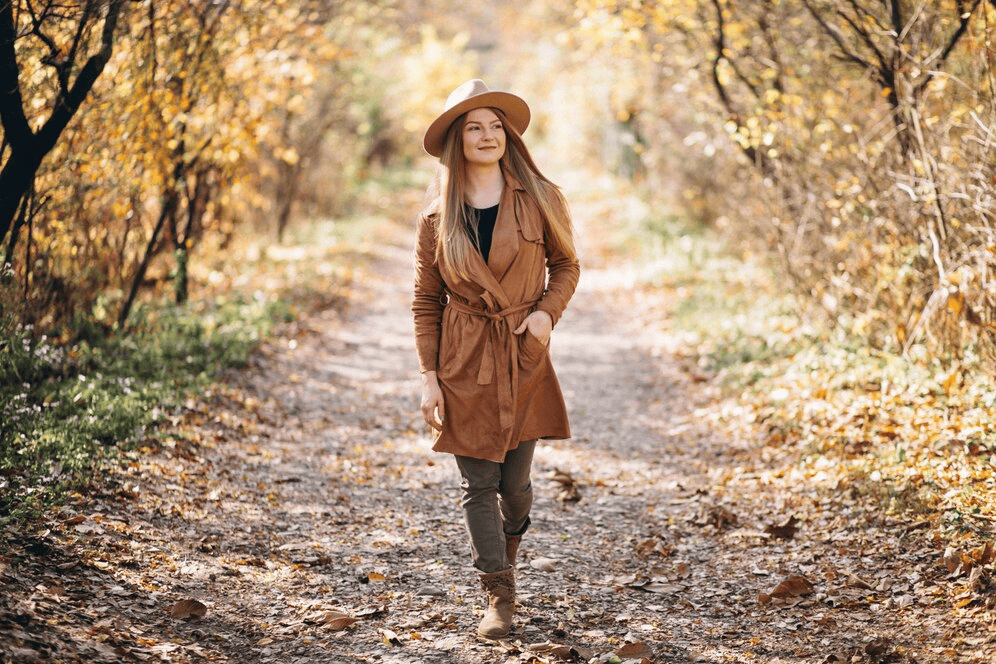
In addition, footwear plays an important role in the boho style: leather sandals, boots or ankle boots with low heels, made of natural materials, fit perfectly into a relaxed boho look, without the need for extra effort. They bring an air of naturalness and comfort, often worn in combination with wide trousers or flowing skirts.
Boho style can be easily incorporated into everyday life without requiring a radical wardrobe change. Key elements – such as natural fabrics, warm colors and ethnic accessories – can be added gradually, transforming each outfit into an expression of individuality and a more relaxed and creative lifestyle.
Leave a comment
All comments are moderated before being published.
This site is protected by hCaptcha and the hCaptcha Privacy Policy and Terms of Service apply.