

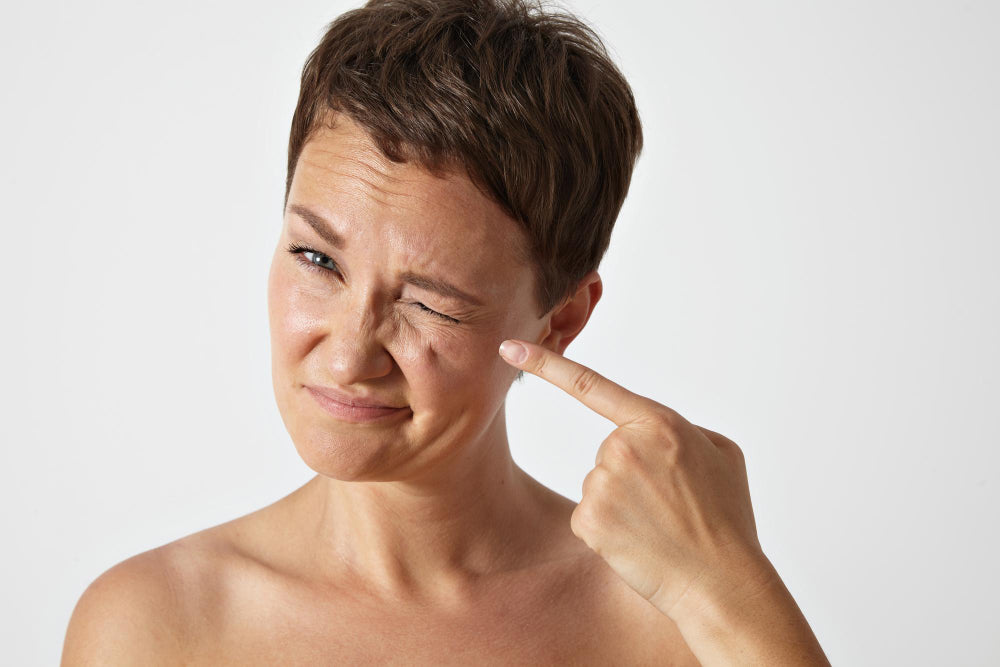
Did you know that one of the first signs of aging is wrinkles under the eyes? The skin here is the most delicate and thin on the entire body, so wrinkles appear very quickly. They are not just a phenomenon associated with old age. The appearance of wrinkles under the eyes can be caused by a variety of factors that include sun exposure, lifestyle, and, of course, the natural aging process. For many people, they become a major aesthetic concern, affecting their self-confidence and personal perception of beauty.
Although wrinkles are a natural and inevitable part of life, the desire to reduce or prevent them is a frequent concern for many people. The cosmetic and medical industry offers a wide range of solutions, from creams and serums to invasive or non-invasive aesthetic interventions. To better understand how to treat or prevent these wrinkles, it is essential to know their causes, the moment when they begin to appear and the solutions available to combat them. Wrinkles are not only an aesthetic problem, but also a reflection of the overall health of the skin and personal care. By understanding the mechanisms behind their appearance, we can adopt measures that help us keep our skin as young and healthy as possible. Next, we will tell you more about wrinkles under the eyes.
Causes of wrinkles under the eyes
Wrinkles under the eyes appear for a number of reasons related to internal and external factors. First of all, natural aging is one of the most important causes. As we age, the skin gradually loses its elasticity and hydration, as the production of collagen and elastin, proteins essential for the firmness and suppleness of the skin, decreases. This causes the appearance of fine wrinkles, which become deeper and more visible as time goes by. The subcutaneous fat layer also thins with age, making the skin more vulnerable to wrinkles.
Another major factor contributing to the appearance of wrinkles under the eyes is exposure to ultraviolet radiation, either from sitting in the sun or going to a tanning bed. The sun is one of the biggest enemies of young skin, accelerating the aging process by degrading collagen and elastin. Photodamage caused by the sun makes the skin more fragile and prone to wrinkle formation. Unprotected sun exposure leads to the appearance of fine lines, irregular pigmentation and loss of skin tone.
Smoking is another major factor contributing to wrinkles. Cigarette smoke contains toxins that damage the skin's structure, reducing its ability to regenerate. This accelerates skin aging and promotes the appearance of wrinkles, especially in delicate areas such as under the eyes. Facial expression also plays a role in the formation of wrinkles, as repetitive movements of the muscles around the eyes, such as blinking and laughing, can lead to the formation of fine lines that become more pronounced over time.
Dehydration is another factor that contributes to the appearance of wrinkles. Skin needs constant hydration to maintain its suppleness and elasticity. Lack of hydration causes the skin to become dry, which accentuates wrinkles and fine lines. Factors such as stress and lack of sleep can also worsen the situation, as the skin does not have enough time to regenerate and repair itself. In short, wrinkles under the eyes are the result of an accumulation of internal and external factors that interact with each other, accelerating the aging process.
When wrinkles appear under the eyes
Although wrinkles are commonly associated with old age, they can appear much earlier than we might expect. The first fine lines under the eyes can appear as early as around the age of 20-30, depending on lifestyle and genetic factors. For people who have very fair skin or who are frequently exposed to the sun without protection, these wrinkles can become visible even earlier.
In general, fine lines around the eyes, also known as “expression lines” or “crow’s feet,” become more noticeable as the skin loses its elasticity and thins. These wrinkles can appear when the skin begins to lose its ability to fully recover after being stretched or folded during facial expressions. As we age, this process slows down, and the wrinkles remain visible even when the face is at rest.
The timing of wrinkles is largely influenced by each person's genetics. Some people are predisposed to premature aging due to hereditary factors, while others may not notice significant wrinkles until later in life. However, environmental factors such as pollution and UV exposure, as well as lifestyle habits such as smoking and a nutrient-poor diet, can accelerate this process.
Wrinkles usually become more apparent around the age of 40-50, when the significant decrease in collagen and elastin begins to take its visible toll on the skin. At this point, fine lines can become deeper and more pronounced, and skin regeneration becomes more difficult. However, with proper skin care and taking preventive measures, the appearance of wrinkles can be delayed or diminished.
Treatment for wrinkles under the eyes

Treatment options for under-eye wrinkles are varied and include both cosmetic solutions and medical interventions. Depending on the severity of the wrinkles and individual preferences, there are various ways to treat and reduce their appearance. In general, anti-aging creams and serums are the most common cosmetic solutions available to moisturize and nourish the skin around the eyes. These products often contain ingredients such as retinol, vitamin C, hyaluronic acid, and peptides, which can help stimulate collagen production and maintain skin hydration.
For deeper wrinkles, there are more advanced options, such as laser treatments, chemical peels, and microdermabrasion. Laser treatments, for example, can help stimulate skin cell regeneration and collagen production, thereby reducing the appearance of wrinkles. Chemical peels are another option that involve applying chemical solutions to the skin to remove the top layers and stimulate skin regeneration. Microdermabrasion, on the other hand, is a non-invasive method that involves mechanically exfoliating the skin to remove dead cells and stimulate regeneration.
Another very popular option for treating wrinkles under the eyes are injectables, such as Botox and hyaluronic acid. Botox works by relaxing the muscles around the eyes, which helps prevent wrinkles caused by facial expressions from forming. Hyaluronic acid is used to fill in wrinkles and add volume to areas where the skin has thinned. Both methods are effective, but require regular treatments to maintain results.
In more advanced cases, surgery may be an option. Blepharoplasty, for example, is a surgical procedure that removes excess skin and fat from around the eyes, providing a more youthful appearance. This is a more invasive solution, but it can have lasting results. In any case, it is essential to consult a specialist before deciding on a treatment, to ensure that the choice made is suitable for your skin type and general health.
Can wrinkles be prevented?
Preventing wrinkles under the eyes is an essential aspect of skin care, and taking simple steps can make a significant difference. First and foremost, protecting your skin from the sun is crucial. Using a sunscreen with a high sun protection factor (minimum 30) is essential, not only on sunny days, but also on cloudy days, as UV rays can penetrate through clouds. Covering the eye area with quality sunglasses can provide additional protection, reducing the risk of wrinkles caused by sun exposure.
Hydration is another key factor in preventing wrinkles. It is important to drink enough fluids and use moisturizing products that contain ingredients such as hyaluronic acid, glycerin, or natural oils. These ingredients help maintain optimal moisture levels in the skin, preventing dryness and the formation of wrinkles.
Lifestyle also plays an important role in preventing wrinkles. Quitting smoking and avoiding excessive alcohol consumption can help maintain skin elasticity. Adequate sleep is also essential for skin regeneration, so it is important to get enough sleep and pay attention to sleep hygiene. Reducing stress through relaxation techniques, such as meditation or yoga, can have a positive impact on skin health.
Nutrition also plays a significant role in maintaining healthy skin. A balanced diet, rich in vitamins and minerals, can help protect skin from the effects of premature aging. Antioxidants, such as vitamins E and C, can help fight oxidative stress and maintain skin elasticity. Eating foods rich in omega-3 fatty acids, such as fatty fish, nuts, and seeds, can also help hydrate skin from within.
So, wrinkles under the eyes are a natural phenomenon of aging, but there are numerous treatment and prevention options. By taking proper care of your skin and adopting healthy habits, we can delay their appearance and maintain a youthful appearance of the skin. It is important to inform ourselves and consult with specialists before making decisions regarding aesthetic treatments, in order to choose the most suitable solutions for our individual needs. Also, being aware of the fact that each person has a unique skin type and reacts differently to different treatments is crucial to achieving the best results. Preventive measures and appropriate treatments can help not only maintain a youthful appearance, but also improve the overall health of the skin, thus providing not only an aesthetic appearance, but also a sense of well-being.
Sources:
https://www.mayoclinic.org/diseases-conditions/wrinkles/symptoms-causes/syc-20354927
https://my.clevelandclinic.org/health/diseases/10984-wrinkles


Leave a comment
All comments are moderated before being published.
This site is protected by hCaptcha and the hCaptcha Privacy Policy and Terms of Service apply.