

What is the best sleeping position
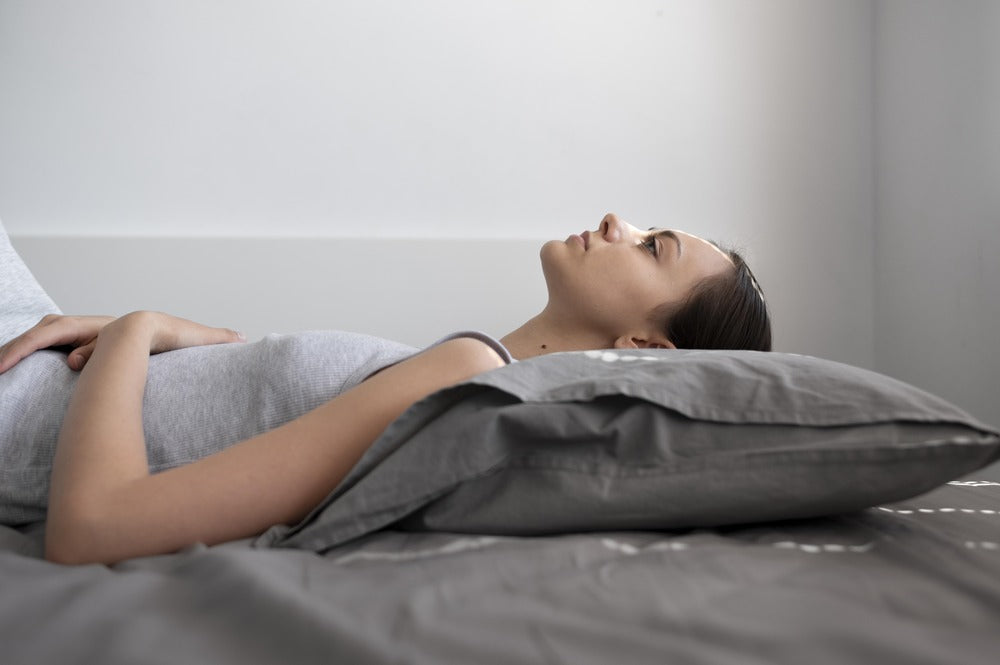
The best sleeping position varies from person to person, but in general, sleeping on your back is considered the most beneficial position. This position allows the body's weight to be evenly distributed, reducing pressure points and keeping the spine in a neutral position. It also helps prevent acid reflux and minimizes the appearance of wrinkles because the face is not in contact with the pillow.
However, sleeping on your back may not be ideal for everyone. People who snore or suffer from obstructive sleep apnea should avoid this position as it can worsen symptoms.
What are the sleeping positions to avoid and why?
There are some sleeping positions that can have negative long-term health effects and should be avoided to maintain good overall health.
Sleeping on your stomach is considered the most harmful sleeping position. This can cause tension in the neck and spine, which can lead to chronic back and neck pain. The prone position can also put pressure on internal organs such as the lungs and stomach, affecting breathing and digestion.
The fetal position, while it may be comfortable for many, can also have negative effects. Sleeping in a tight fetal position can limit the diaphragm's ability to fully expand during breathing, which can lead to shortness of breath and discomfort. This position can also contribute to facial wrinkles and reduce blood circulation in the upper and lower limbs.

For those who snore or suffer from obstructive sleep apnea, sleeping on your back can make your symptoms worse. This position can cause a more pronounced collapse of the upper airway during sleep, which worsens snoring or can lead to episodes of apnea. In these cases, it is recommended to try other sleeping positions that help keep the airway open, such as sleeping on one's side.
Choosing an appropriate sleeping position is essential to ensure restful sleep and avoid long-term complications associated with incorrect positions. Consulting a sleep specialist or doctor can provide personalized advice based on individual needs and specific health conditions.
Sleeping positions for different conditions
Certain conditions require special sleep position adjustments to reduce symptoms and improve sleep quality.
- Obstructive sleep apnea: People with this condition should avoid sleeping on their back and opt for sleeping on their side. This can help keep the airway open and reduce episodes of apnea.
- Gastroesophageal reflux: Sleeping on your left side can help reduce acid reflux. This position helps keep the lower esophageal sphincter above the stomach contents, thus reducing the risk of reflux.
- Back Pain: For those with back pain, sleeping on your back with a pillow under your knees or sleeping on your side with a pillow between your knees can help maintain proper spinal alignment and reduce pain.
- Shoulder problems: If you have shoulder pain, avoid sleeping on the affected side. Sleeping on your back or opposite side with proper arm support can help relieve pain.

What is the best sleeping position for pregnant women?
For pregnant women, sleeping on the left side is considered the best sleeping position. This position improves blood circulation to the heart, uterus, kidneys and fetus, thereby reducing pressure on the inferior vena cava, which can be problematic when sleeping on the back. Sleeping on your left side also helps reduce leg swelling and can relieve back pain common during pregnancy.
To increase comfort, pregnant women can use special maternity pillows. These pillows are designed to provide adequate support for the abdomen, back and legs, helping to maintain a comfortable and safe position throughout the night. Choosing the right pillows can make a significant difference to your overall comfort and sleep quality during pregnancy, helping to reduce pressure on your body and relax your muscles.

What an inappropriate sleeping position can lead to
An inappropriate sleeping position can have significant consequences on our overall health. Among the negative effects are the following.
Back and neck pain. Positions that do not keep the spine properly aligned can cause tension and pain in these areas, affecting sleep quality and daytime comfort.
Snoring and sleep apnea. because sleeping on your back can worsen breathing problems such as snoring and sleep apnea, leading to restless sleep and affecting long-term cardiovascular health.
Poor blood circulation as poses that compress blood vessels can reduce blood flow to certain parts of the body, causing numbness and tingling sensations, thus affecting general circulation.
Digestive problems, as sleeping on your right side can worsen the symptoms of gastroesophageal reflux, disrupting normal digestion and contributing to abdominal discomfort.
Muscle tension and joints, because adopting unhealthy positions can lead to muscle tension and discomfort, negatively influencing the mobility and daily comfort of the body.
It is essential to adopt sleeping positions that support spinal health, improve blood circulation and support unrestricted breathing to ensure restful sleep and good overall body comfort. Consultation with a sleep specialist or physician may be helpful if persistent sleep problems are experienced or if negative health effects become a concern.
When to go to the doctor if you feel that you are not resting in any position
If you feel like you are not resting in any sleep position, it is crucial to see a doctor for proper evaluation and recommendations. Signs and symptoms that should prompt you to seek medical help include the following.
- Persistent pain: If you experience back, neck, or shoulder pain that doesn't go away or gets worse no matter what position you sleep in, it's important to see a spine health specialist or doctor to investigate the cause of the pain.
- Severe snoring or sleep apnea: Loud snoring or episodes of apnea (interruptions in breathing during sleep) may indicate a more serious problem, such as obstructive sleep apnea. Consultation with a sleep specialist is essential to correctly diagnose and treat these conditions.
- Chronic fatigue: If you always feel tired and low on energy even after a full night's sleep, you may be suffering from a sleep disorder such as insomnia or sleep apnea. A medical evaluation can identify the cause of chronic fatigue and provide solutions to improve sleep quality and overall health.
- Breathing problems: Difficulty breathing during sleep, such as wheezing or pauses in breathing, can be signs of a breathing or heart problem. It is important to see a doctor to investigate the cause of these symptoms and receive appropriate care.
Don't ignore signs that your sleep isn't restful or that there are health problems associated with your sleeping positions. Prompt consultation with a specialist can help diagnose and correctly treat any underlying conditions, thereby helping to improve your quality of life and overall health.
Tips on how to sleep well
To make sure you sleep well, follow these tips.
- Choose the right mattress: A good quality mattress that provides adequate support and comfort is essential for healthy sleep. Choose a mattress that suits your needs for firmness and support.
- Use the right pillows: Pillows should provide adequate support for the neck and head. If you sleep on your back, a thin pillow is ideal. If you sleep on your side, choose a firmer pillow to keep your neck aligned with your spine.
- Maintain a sleep routine: Go to bed and wake up at the same time every day to adjust your body clock.
- Create a comfortable sleeping environment: Make sure your bedroom is dark, quiet and cool. Use blackout curtains and noise reduction devices if necessary.
- Avoid stimulants before bed: Cut back on caffeine and avoid using electronic devices at least an hour before bed.
- Exercise regularly: Regular physical activity can improve sleep quality, but avoid vigorous exercise before bed.
- Find relaxation techniques: Practices like meditation, deep breathing, or reading a book can help you relax before bed.
- Adapt your sleeping position: If you frequently wake up with pain, try changing your sleeping position and use extra pillows for support.
Restful sleep is essential for our physical and mental health. Choosing an appropriate sleeping position and adjusting it according to individual needs can make a big difference in the quality of your sleep. By following the tips above and consulting a doctor if necessary, you can ensure better sleep and overall well-being.


Leave a comment
All comments are moderated before being published.
This site is protected by hCaptcha and the hCaptcha Privacy Policy and Terms of Service apply.