

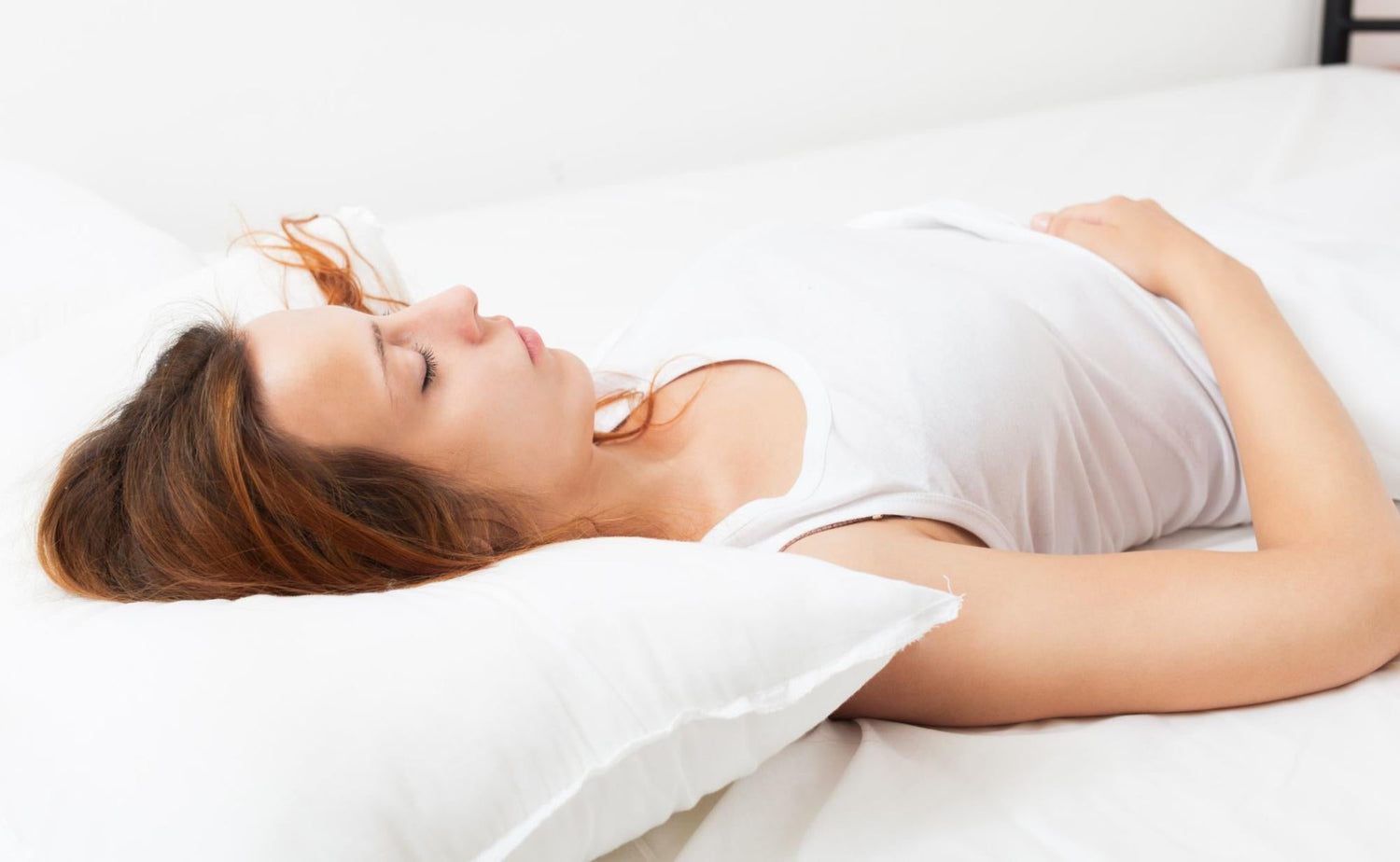
You may be reading this on a lazy morning with a cup of tea or coffee, or maybe on your lunch break, trying to loosen up your shoulders after hours in front of the computer. If you've ever found yourself carefully moving your head from side to side, hoping to get rid of that stiff neck sensation, then you may have already been introduced to cervical spondylosis, even if you didn't know it was called that.
Today we will tell you more about what this condition means, how it manifests itself, when it is time to see a doctor and, most importantly, how a simple, but well-chosen... pillow can help you. Yes, a pillow for cervical spondylosis can really make a difference.
What is cervical spondylosis?
Cervical spondylosis is a degenerative condition of the spine that affects the neck area. Basically, it's about the natural wear and tear of the intervertebral discs and cervical joints that occurs with age. But, nowadays, this wear and tear seems to come faster and faster. Bad posture, sitting at a desk for long periods of time, staring at your phone screen for hours – all take their toll.
Your neck is like a busy intersection. It supports your head, allows movement, and supports the nerves that carry vital information throughout your body. When that area deteriorates, small changes occur that are felt sooner than you might think. And, even though it may seem like something “older,” cervical spondylosis can occur in your 30s and 40s, especially if your lifestyle favors it.
Symptoms that should not be ignored
It all starts, often, with an embarrassment. A stiff neck in the morning. A dull pain that goes up to the head or down to the shoulders. Sometimes, the feeling is that something is "out of place". Other times, tingling in the arms, muscle weakness, or even mild dizziness may appear. You sleep poorly, you wake up with a blocked throat and the day starts with a discomfort that doesn't even let you tie your hair or turn your head behind the wheel.
The problem with cervical spondylosis is that it develops slowly and can go unnoticed until the symptoms become constant. That's why it's important to pay attention to your body's signals. They're not there by accident.
When to see a doctor
You may have already gotten used to the pain and consider it normal. But if the discomfort persists, worsens, or new symptoms appear – such as numbness, weakness in the hands or difficulty with coordination – it's time to see a doctor. A neurological consultation, possibly supplemented by an X-ray or MRI, can clarify exactly what is happening and what solutions you have.
It's not a sign of weakness to seek medical help. On the contrary – it's a sign of caring for yourself.
How a pillow helps you with cervical spondylosis
And now comes the part that many underestimate: the pillow. That banal object on which you rest your head every night can become your reliable ally in the fight against cervical spondylosis. A regular, soft pillow, which flattens under the weight of your head, does not provide the support that your spine needs. In contrast, an orthopedic pillow, designed specifically for this condition, maintains the correct alignment of the neck and spine during sleep.
Basically, instead of your muscles having to tense up all night to keep your head in a stable position, your pillow does the job for them. In the morning, not only do you wake up pain-free, but you also feel better overall because you had a truly restful sleep.
The materials these pillows are made of, memory foam, latex, or other ergonomic compositions, provide support exactly where it's needed, without putting pressure on sensitive areas. And no, it's not a fad. It's a real investment in your well-being.
What else can you do?
A good pillow is a great start, but it can't do the whole job on its own. Lifestyle plays a huge role. You can start with simple stretching exercises for your neck and shoulders, preferably in the morning and evening. You don't need hours of exercise, just a few minutes of conscious movement to restore joint mobility and relax tense muscles.
Taking frequent breaks when working at a desk, adjusting your chair and monitor, avoiding holding your phone in your lap (with your head bowed) are all small gestures that, in the long run, matter enormously.
And if you feel like daily stress is straining your shoulders and neck, maybe it's time to try something for your soul: meditation, walks in nature, a hobby that relaxes you. Your body will thank you.
Your neck health starts, perhaps surprisingly, right where you lay your head at night. A special pillow for cervical spondylosis is not a fad or a fashion, but a concrete step towards a pain-free, more rested and balanced life. Because you deserve to wake up in the morning not only pain-free, but also with a smile on your face.
Sources:
https://my.clevelandclinic.org/health/diseases/17685-cervical-spondylosis
https://www.mayoclinic.org/diseases-conditions/cervical-spondylosis/symptoms-causes/syc-20370787

Leave a comment
All comments are moderated before being published.
This site is protected by hCaptcha and the hCaptcha Privacy Policy and Terms of Service apply.