

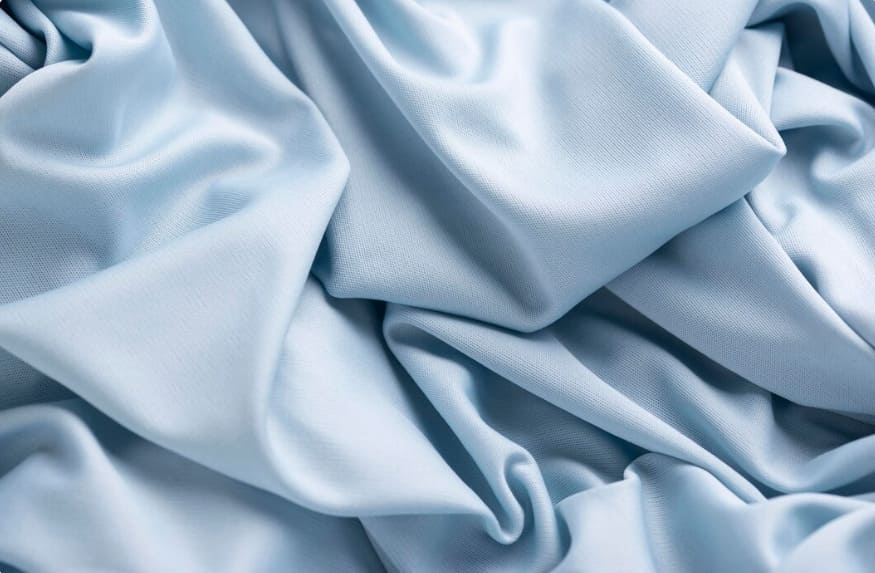
Lyocell is a semi-synthetic fabric often used as a substitute for silk or cotton, making it a sustainable material for clothing. It is a variant of rayon fabric and primarily contains cellulose derived from wood.
It first appeared in America in 1972 and quickly became an extremely popular fabric worldwide. Because it is made primarily from organic ingredients, it is considered a more sustainable alternative to 100% synthetic fibers, such as polyester. However, there is debate about the sustainability of this material, and whether it is truly good for the environment.
The company that discovered this material in 1972 was American Enka, but it wasn't until 8 years later that a British company took over the abandoned project and created a new fabric called Tencel. Tencel is a material based on lyocell research, which is why the two fabrics are often mentioned together.
Practically, they are chemically identical, which is why some refer to Tencel and others to lyocell as the same material. Lyocell is soft to the touch, and many cannot differentiate it from cotton. Cotton manufacturers are enthusiastic about lyocell because it easily combines with other types of materials, such as cotton, silk, wool, nylon, viscose, and polyester.
How is Lyocell Made?
Although Tencel is almost chemically identical to rayon, a special process involving the use of a direct solvent instead of an indirect one is used to manufacture this rayon derivative. The production of Tencel uses a solvent spinning technique, which means that, compared to the rayon production process, Tencel's process does not cause significant chemical changes in the chemical structure of cellulose.
While cellulose-derived fabrics have existed for nearly two centuries, they began to be mass-produced at the beginning of the 20th century. Initially conceived as a substitute for silk, pioneers of cellulose fabrics tried to recreate the process that silkworms use to produce real silk.
The first mass-produced cellulose fabric was rayon, and until now, rayon has been manufactured using an extrusion method. Lyocell production improves the manufacturing methods used for rayon, making it more efficient. In addition, it produces less waste, and the final product is less synthetic compared to rayon.
In the production process, hardwood chips (oak, birch, etc.) are used as raw material for cellulose. The trees used for this purpose are usually grown in forest plantations, and when they reach maturity, they are cut very thinly (into chips) and loaded into a vat with chemical reactors. These soften the chips, forming a paste.
This paste is washed with water, and sometimes even with bleach, to ensure it is as clean as possible. In the next stage, it is dried in sheets and rolled up. Most cellulose rolls are huge, weighing about 200 kg.
The sheets are cut into squares measuring approximately 2-3 cm per side, and then placed in pressurized vats and heated in amine oxide, which is the main solvent used for lyocell production. The cellulose dissolves, becoming a clear liquid, and is filtered and pumped through a sieve, transforming into long, thin fibers. The resulting fibers are immersed in a vat of diluted amine oxide for fixing, and then washed with demineralized water.
The lyocell fibers are dried, after which they are coated with a lubricant (e.g., silicone). This results in bundles of fibers that are fed into a crimping device that compresses them. They are then separated, cut, and can be used in a multitude of products.
Compared to rayon, the process for obtaining Tencel is shorter and involves less waste.
How is Lyocell Used in the Textile Industry?

Tencel is commonly used as a substitute for cotton or silk. This fabric is as soft as cotton and is used for a variety of clothing and textile items – from elegant shirts to towels and underwear.
However, it is rare to find garments made entirely from lyocell because it is most often used in combination with other types of fabrics (cotton, polyester, and others).
Lyocell is also used in the manufacture of wear-resistant tapes, medical bandages, and other medical applications where its very high absorption profile is needed. An interesting fact about lyocell is that it is used as an ingredient in the manufacture of special paper because it has low air permeability and high opacity (making it ideal for filtration).
Tencel Material - Properties

Tencel Lyocell fibers are obtained from wood cellulose fibers, a natural raw material. They are known for their very good strength and high moisture absorption capacity. They offer a high level of thermal comfort. Tencel Lyocell is also renowned for its innovative closed-loop production process. Wood pulp is transformed into cellulose fibers, and 99.8% of the solvent is recovered and reintroduced into the cycle, leading to an almost zero waste level.
Tencel Lyocell Benefits:
- Gives fabrics a natural softness
- Pleasant to the touch
- High moisture regulation capacity
- Supports a drier microclimate on the skin
- Efficiently absorbs perspiration
- Reduces odor development
- Creates a less favorable environment for bacterial growth
Lyocell versus cotton
Comfort and feel - softness versus familiarity
- Lyocell offers a silky and cool feel due to the smooth surface of its fibers (one of the best advantages of lyocell material). It is frequently used for cool summer clothes. Its natural and fluid drape gives it an elegant appearance and a refined tactile experience, making it ideal for items that stand out for their superior quality, for underwear and comfortable outfits (pajamas, homewear).
- Cotton offers a distinct, familiar softness. It is warm, breathable, and versatile in all seasons, making it ideal for everyday wear.
Breathability and moisture management
- Lyocell excels at moisture wicking and thermoregulation due to the hydrophilic structure of its fibers (an advantage of these natural fibers versus synthetic ones). It absorbs moisture faster than cotton. This provides a cool, dry, and comfortable feeling.
- Cotton is breathable and retains moisture for a long time. Although comfortable, it can sometimes feel damp.
Fabric strength
- Lyocell offers exceptional strength in both wet and dry conditions. It doesn't pill, retains its smooth surface, and maintains its shape over time, making it perfect for high-quality basics and durable clothing.
- Cotton is also durable, but its durability varies depending on its quality and the spinning process used in production. High-quality combed cotton performs exceptionally well, maintaining fabric stability and softness when properly made.
Environmental Impact
- Lyocell is produced in a closed-loop manufacturing system that recovers over 99% of solvents. This is why it is widely appreciated as one of the most sustainable fibers in the modern apparel industry. In fact, it has been included in many brand strategies concerned with the ecological impact of textiles.
- Cotton is a natural and biodegradable material, but its conventional cultivation involves high resource consumption, high water consumption, and even pesticides. However, organic cotton is a more ecological alternative.
Versatility in design
- Lyocell is best suited for casual wear, luxurious and soft basics, vacation and travel outfits, premium men's and women's clothing.
- Cotton is suitable for classic t-shirts and polos, children's clothing, basics, streetwear.
For those looking for a structured material that is familiar and affordable, lyocell is the best choice. But for a better balance between performance and aesthetics, a cotton-lyocell blend is superior.
Washing lyocell and how to care for clothes made from this material?
Although Lyocell is generally easy to care for, there are a few things to keep in mind to enjoy your clothes for as long as possible.
Stains must be treated before washing
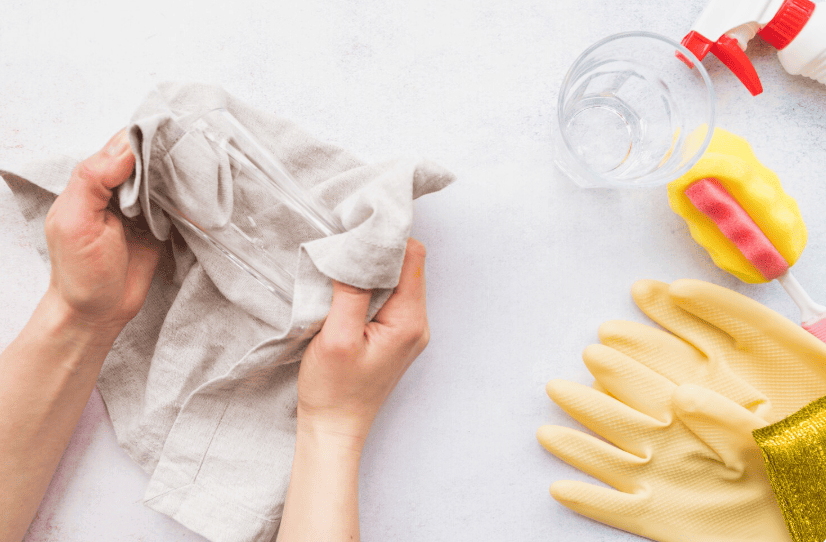
If you need to remove a stubborn stain from lyocell, wash it immediately with cold water and apply a little mild detergent. Gently rub the stain. Do not use harsh removers or bleach as these can damage, stain, and weaken the fabric. Instead, you can use vinegar or baking soda.
Avoid excessive washing. Lyocell is renowned for its antimicrobial and hypoallergenic properties, meaning it stays clean longer and requires fewer maintenance washes. If it's warm outside, hang clothes on a line to freshen them up.
Gentle washing
Always follow the care instructions on the labels, but lyocell items usually need to be hand-washed in cold water to prevent shrinking. Some items can be machine-washed on a delicate cycle, but it's best to check the label and instructions before putting them in the machine. Always place them in a mesh laundry bag to prevent damage.
Ironing lyocell clothes
Lyocell items dry mostly wrinkle-free on their own, but if you want to iron them, choose a warm or "synthetic" setting, low temperature, and no steam. If the temperature is too high, it can permanently damage the fabric, and steam can leave stains that won't disappear with the next wash. A good option is to place a material between the lyocell fabric and the iron or hang the garment on a hanger when washing it.
Natural drying
Before drying, gently stretch the material or shake the garment. If you machine washed, do not wring or twist the clothes. It is best to gently press them to remove water. After a few washes, garments containing lyocell may shrink by 3% to 5% before retaining their shape. Clothes should be hung on a line or laid flat to prevent wrinkles and dried away from direct sunlight. Tumble drying or machine drying can lead to discoloration and shrinkage.
Storing lyocell clothes
Moths and mold can damage them. Therefore, it's important to make sure they are clean and dry when storing them in a cool, well-ventilated place. Do not put them in plastic bags, as these attract moisture and can generate static electricity or even discolor garments.
Ultimately, for those seeking a structured material that feels familiar and is affordable, lyocell is the best choice. But for a better balance between performance and aesthetics, a cotton-lyocell blend reigns supreme. It's a material that deserves our attention, and certainly after wearing a lyocell shirt or sleeping on a sheet that contains lyocell, you'll discover how comfortable, fine, and easy to care for it is.
Leave a comment
All comments are moderated before being published.
This site is protected by hCaptcha and the hCaptcha Privacy Policy and Terms of Service apply.