

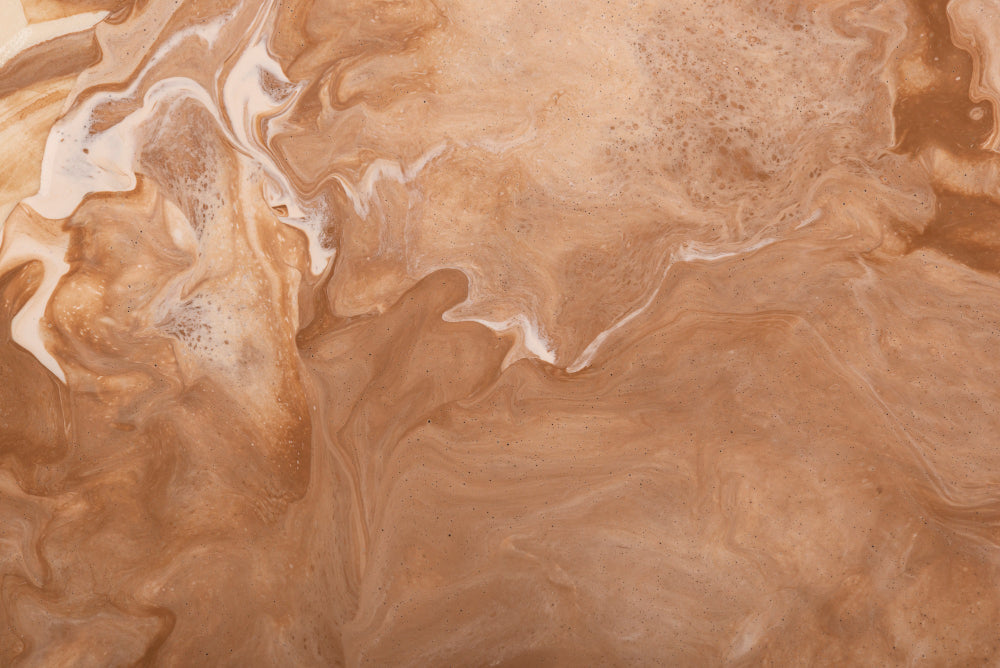
Colors have always been part of our lives and, over time, have influenced our emotions, moods, and even perceptions.
From cave paintings to the most sophisticated trends in fashion and interior design, colors have conveyed messages much deeper than we can imagine. Among them, brown, often overlooked, carries a special charge, one that combines tradition, stability and closeness to nature.
In the past, brown was associated with earth, wood, crops, and the simplicity of everyday life. Ancient civilizations used it to paint utilitarian objects or decors that evoked nature.
In the Middle Ages, monks wore brown robes as a symbol of modesty and renunciation of luxury. In Renaissance art, shades of brown were used to render skin texture, but also to build the depth of shadows.
Today, we can identify brown in almost everything around us, but especially in nature. It is the color of trees, fertile soil, coffee and chocolate. What does all this mean? It means stability, comfort...
In color psychology, brown is associated with safety, balance, and connection to what is authentic. It is a warm color that evokes trust, but can also be perceived as sober or serious. It is this balance between simplicity and depth that makes brown so interesting to explore.
The color brown – meanings and beliefs
Over time, brown has had different connotations depending on culture and context. Generally, it is associated with stability and resistance, because it reminds us of the earth we walk on.
The Franciscans, for example, chose brown robes as a symbol of humility and closeness to nature. For them, the color was not without value, but on the contrary, it was the expression of a deep connection with simplicity and the true essence of life.
In Eastern culture, the color was perceived in association with wisdom, tranquility, inner balance. In Japanese culture, various shades of brown were used to symbolize especially discreet elegance, which does not aim to stand out, but to inspire calm, naturalness.
In modern societies, brown is often associated with elements of comfort. Think of the natural wood in a house, a warm cup of coffee, or a thick wool blanket. All of these evoke security and relaxation. At the same time, it is also a color that reminds of responsibility and work – often linked to seriousness and pragmatism.
About color psychology
Color psychology is a separate field that attempts to decipher the impact that colors (or their combinations) have on our emotional states and, in some cases, behavior. In a way, it analyzes the subtle reactions that our brains have to certain visual stimuli.
For example, blue is perceived as soothing and calming, being associated with the sky and water. Red, on the other hand, awakens energy, passion and sometimes aggression. Green evokes freshness and balance, being linked to nature. Yellow suggests optimism and cheerfulness, but can become tiring if used in excess.
In this spectrum, brown occupies a special place. It is not garish and does not seek to immediately attract attention. Instead, it conveys subtlety and depth. It is a color that "dresses", a color that seems to "protect" and infuses you with emotional security.
Equally, however, some people may perceive it as too sober, boring, or "lacking personality," depending on the context.
Different shades of brown
Brown is not a single color, but a universe of shades that convey different messages.
Chocolate brown
This is probably the most popular shade, reminiscent of the sweetness and richness of chocolate. It is intense, warm and often associated with indulgence.
Light brown
Pale shades, closer to beige or sand, convey calm and simplicity. They suggest naturalness and integrate easily into decors or outfits.
Reddish brown
This variation has a more energetic air and can be associated with autumn, burnt leaves or the texture of mahogany wood. It is a shade full of vitality and elegance.
Dark brown
It is the most sober variant and often evokes seriousness and depth. In interior design or fashion, very dark brown brings stability and a mature air.
Golden brown
With warm reflections, this shade conveys refinement and understated luxury. It pairs well with metallic or pastel accents.
Brown color – when and who does it suit?
Brown is a versatile color, but it doesn't suit everyone or in every context. It's ideal for people who are looking for stability and who want to convey a message of trust. In a professional environment, brown clothes can suggest seriousness and pragmatism. However, to avoid an image that is too sober, they should be combined with brighter shades.
Brown is especially flattering for people with warm skin tones, brown or golden hair, and dark eyes. These natural features harmonize with the brown palette, creating a unified image. However, people with cool features can also wear brown if they combine it with appropriate tones, such as white, blue, or gray.
In everyday life, brown is especially suitable for the autumn and winter seasons. When nature turns to earthy tones, brown outfits integrate naturally and convey a sense of comfort.
How to integrate the color brown into outfits?
In fashion, brown has had periods when it was extremely appreciated and periods when it was considered too banal. Today, designers are constantly bringing it back to the forefront, precisely because of its versatility.
A simple brown dress can be accessorized with gold jewelry for an elegant look. A pair of brown fabric pants can become the centerpiece of an office outfit, combined with a white shirt and black shoes. Brown also works very well in casual outfits – a brown leather jacket, for example, is a classic and always current choice.
The secret is to play with shades. You can combine several tones of brown in one outfit, creating depth and elegance. You can also integrate it through accessories: bags, belts, shoes or hats.
Colors that go with brown
Brown is a friendly color that easily combines with many other tones. White and beige bring brightness and make brown stand out without seeming too sober. Green goes great with brown, evoking nature and freshness.
Blue, especially in dark tones, creates an elegant and modern contrast. For a refined look, brown goes well with gold or copper tones, which emphasize its warmth. For a bolder look, you can combine it with burgundy red or burnt orange.
In interior design, combinations of brown with light gray or white create warm and welcoming spaces. For a modern feel, you can also pair it with tones of blue or pastel green.

Leave a comment
All comments are moderated before being published.
This site is protected by hCaptcha and the hCaptcha Privacy Policy and Terms of Service apply.