

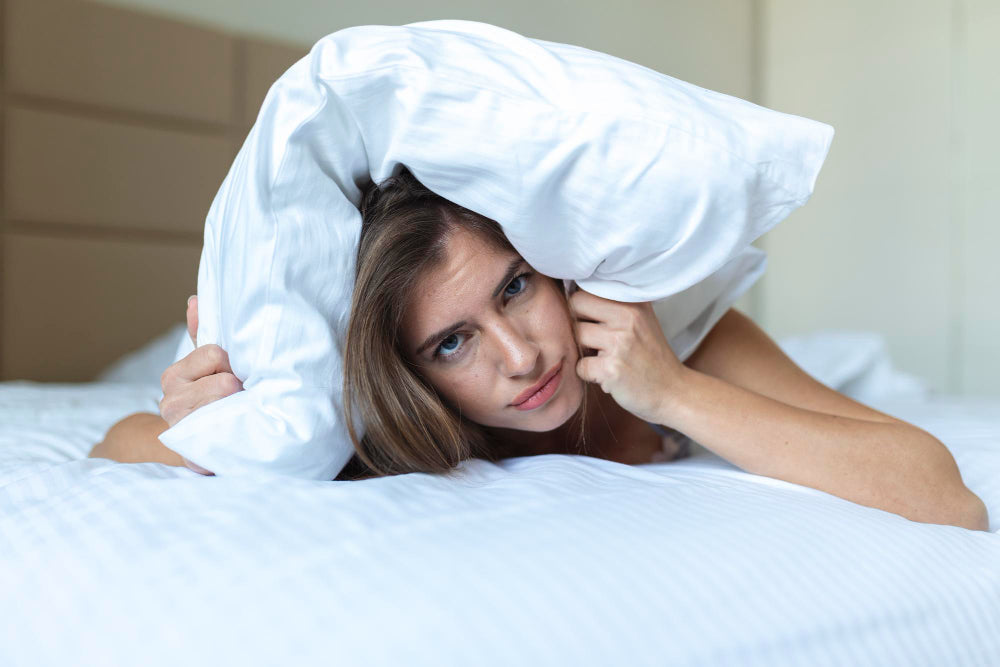
As you already know, the importance of sleep is undeniable. This natural process is essential for the health of any living thing. Unfortunately, sleep deprivation can have serious consequences on the body and mind, affecting the quality of life. More accurate, what happens if you don't sleep at night ?
Sleep deprivation for one night or several times the fact that you don't rest enough can cause numerous imbalances in the body. Thus, in the following we will explain in detail what happens if you do not sleep at night, you will find out how long a person can last without sleep and what conditions can develop as a result of lack of sleep. You'll also know when you should see a doctor and we'll give you some tips to help you sleep better.
How much sleep do you need?
First of all, it's good to know how much sleep you need, basically how much you need to sleep. Research shows that you need between 7-9 hours of sleep per day, but it's best to consult international guidelines, consult a doctor and observe how you feel when you sleep a certain number of hours.
Here are the recommendations for sleeping hours for each age group:
- 0-3 months: 14-17 hours
- 4-11 months: 12-15 hours
- 1-2 years: 11-14 hours
- 3-5 years: 10-13 hours
- 6-13 years: 9-11 hours
- 14-17 years: 8-10 hours
- 18-64 years: 7-9 hours
- over 65: 7-8 hours.
How long can a man last without sleep?
Have you ever wondered how long a person can last without sleep? From the research conducted so far, it has been shown that an adult needs 7-9 hours of sleep per night to function optimally. But what happens when the number of hours of sleep is not reached? At first, the consequences may seem minor – fatigue, lack of concentration or even irritability. However, as sleep deprivation continues, these symptoms worsen.
In general, a person can go without continuous sleep for a maximum of 10 days (although there is evidence that this period has been exceeded), but already after 24 hours without sleep the first severe effects appear. After 24 hours, the body and mind begin to function at a reduced capacity. Problems with concentration, coordination and even logical reasoning begin to appear.
As the period without sleep lengthens, the symptoms become more severe. After 48 hours, hallucinations, paranoia, and disorientation may occur. At 72 hours, these symptoms can become extreme, and the risk of making serious mistakes, including accidents of any kind, increases significantly. In rare and extreme cases, lack of sleep for long periods can lead to death, although this is rare in humans.
What happens to your body if you don't sleep at night?
Unfortunately, lack of sleep also has a big impact on body functions, not just on the brain. In the short term, not getting enough rest can lead to physical symptoms such as extreme fatigue, headaches, blurred vision and a general feeling of weakness. At the same time, the metabolism is affected, which can lead to an increase in appetite and, implicitly, to weight gain.
The immune system is also seriously affected. During sleep, the body produces cytokines, proteins that help fight infection and inflammation. If you don't sleep, the production of these proteins decreases, making you more vulnerable to disease and infection.
Sleep deprivation also affects the cardiovascular system. A sleepless night can raise blood pressure and heart rate, putting extra stress on the heart. In the long term, chronic lack of sleep is associated with an increased risk of heart disease, stroke and diabetes.
In addition to all this, lack of sleep can affect the hormones responsible for regulating stress and mood. Cortisol, the stress hormone, can rise to dangerously high levels, leading to high blood pressure and other long-term complications.

What happens to the mind if you don't sleep at night?
As already mentioned, sleep is crucial for mental and emotional health. Lack of sleep has an immediate impact on cognitive and emotional functions. What happens if you don't sleep at night? After a sleepless night, the ability to concentrate and attention decreases significantly, and the reaction time is slower. These effects can lead to mistakes at work or school, but also to an increased risk of accidents, including while driving.
As sleep deprivation continues, memory problems occur. The brain needs sleep to process and store the information accumulated throughout the day. Without sleep, this process is impaired, leading to short- and long-term memory difficulties.
From an emotional point of view, lack of sleep can amplify states of irritability, anxiety and even depression. People who don't get enough sleep are more prone to emotional fluctuations and can become more sensitive to stress. In extreme cases, sleep deprivation can lead to psychotic symptoms such as hallucinations and paranoia.
Lack of sleep also affects creativity and the ability to solve problems. When you are rested, your brain is able to make connections between ideas and come up with innovative solutions. Without sleep, this ability is reduced and thinking becomes rigid and limited.
What are the most common ailments that can develop from lack of rest?
Chronic sleep deprivation can lead to the development of serious conditions. Among the most common are the following.
- Chronic insomnia : lack of sleep can lead to a form of chronic insomnia, in which the affected person has great difficulty falling asleep or staying asleep for a long period of time.
- Anxiety and depression : There is a close connection between sleep and mental health. Lack of sleep can worsen symptoms of anxiety and depression and may even contribute to the development of these disorders.
- Obesity : Sleep deprivation can lead to weight gain. This happens because lack of sleep affects hormones that regulate hunger and satiety, increasing appetite, especially for high-calorie foods.
- Type 2 diabetes : Lack of sleep affects how the body regulates glucose, increasing the risk of developing type 2 diabetes.
- Cardiovascular disease : Sleep deprivation is associated with an increased risk of high blood pressure, stroke and heart disease.
- Cognitive impairment : If you don't get enough rest, in the long term this can lead to cognitive decline and increase the risk of dementia and Alzheimer's.
- Weakened immune system : Without enough sleep, the immune system is weakened, making the body more vulnerable to infection and disease.
Take insomnia seriously
I mentioned insomnia, and it's good to know that it manifests itself in the fact that you can't fall asleep and rest as much as you need. Insomnia is of several types, and the least dangerous is the accidental type, when you can't fall asleep occasionally. Thus, one night will not affect your health, but several can cause you real problems. Here are the main types of insomnia:
- primary insomnia: when you are unable to fall asleep quickly and stay asleep throughout the night, and most often frustration with efforts to fall asleep occurs
- insomnia associated with mental disorders: when the lack of sleep is caused by an emotional problem or anxiety
- insomnia caused by certain conditions
- insomnia caused by drugs.

When to go to the doctor?
If you experience difficulty sleeping over a long period of time, it is important to consult a doctor. Here are some signs that indicate that you should see a specialist.
- Persistent difficulty falling asleep : If you have trouble falling asleep regularly, you may be suffering from insomnia.
- Frequent awakenings during the night : If you wake up frequently during the night and cannot fall back asleep, this may indicate a sleep problem.
- Feeling constantly tired : If you feel tired and lack energy even after a seemingly full night's sleep, you should talk to a doctor.
- Changes in mood and mental state : If lack of sleep starts to affect your emotional or mental state, it's important to seek help.
- Frequent headaches : If you frequently wake up with a headache, this may be a sign of a sleep problem, such as sleep apnea.
Consulting a doctor is essential to determine the exact cause of your sleep problems and to receive the appropriate treatment.
Tricks to sleep better
To improve the quality of your sleep, it's important to adopt healthy habits that help you fall asleep and stay asleep throughout the night. Here are some tricks that can help you have a more restful sleep:
- Establish a sleep routine : Go to bed and wake up at the same time every day, even on weekends. This will help your body get used to a regular sleep schedule.
- Create a comfortable sleeping environment : Make sure your bedroom is a quiet, dark and cool place. Use blackout curtains to block out light and maintain a comfortable temperature in the room.
- Comfortable pajamas : the choice of some Nightwear comfortable is essential for restful sleep. Opt for soft and breathable materials, such as cotton, which will not irritate the skin and give you freedom of movement during sleep.
- Avoid screens before bed : The blue light emitted by phones, tablets and TVs can interfere with the production of melatonin, the hormone that regulates sleep. Try to avoid using electronic devices at least an hour before bed.
- Get regular exercise : Regular exercise can help you sleep better, but avoid vigorous physical activity a few hours before bed as it can keep you awake.
- Limit caffeine and alcohol : Caffeine and alcohol can disrupt sleep. Try to avoid caffeinated drinks in the afternoon and avoid alcohol a few hours before bed.
- Practice relaxation techniques : Meditation, deep breathing, or a warm shower before bed can help relax your body and mind, preparing you for sleep.
- Do a relaxing activity before bed : Reading a book, listening to soothing music or doing light yoga can be effective ways to relax and prepare for sleep.
- Eat lightly before bed : Avoid heavy or spicy meals a few hours before bed, as they can cause discomfort and affect sleep.
So now you know what happens if you don't sleep at night you don't rest enough or if for some reason you deprive yourself of sleep. If you are facing sleep problems, apply the tricks I mentioned and make a change in your lifestyle today.
Sources:

Leave a comment
All comments are moderated before being published.
This site is protected by hCaptcha and the hCaptcha Privacy Policy and Terms of Service apply.