

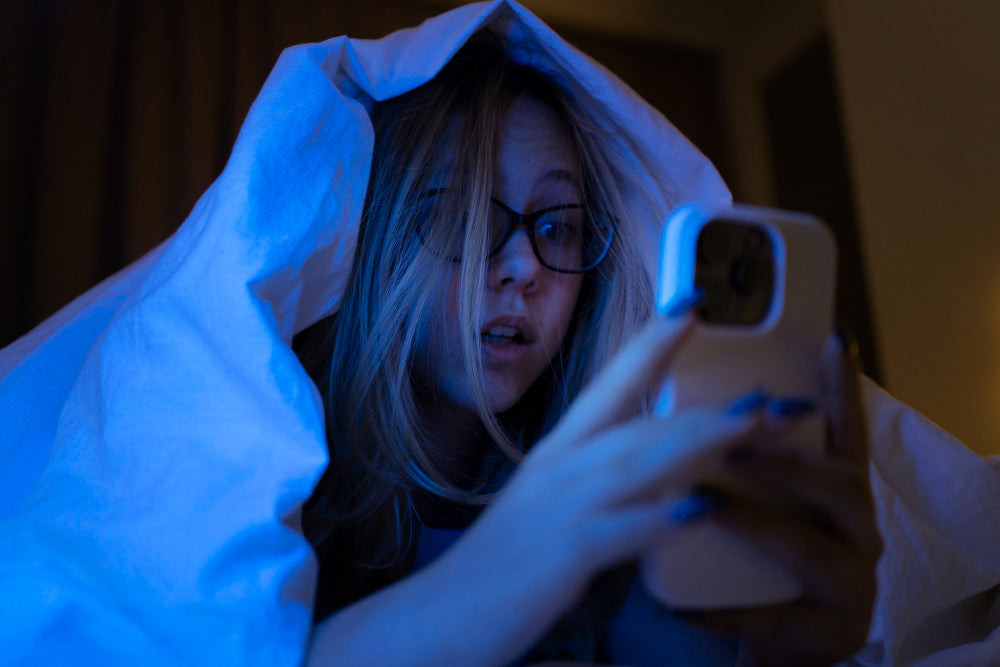
If you too are experiencing nocturnal panic attacks, read this article to determine what their causes, symptoms, and treatment might be. But, don't forget that only a doctor's check-up can really help you solve that problem.
What are sleep panic attacks?
During a nocturnal panic attack, the person suddenly wakes up feeling overwhelmed with fear. She may feel like something terrible is happening, she's dying, or she's having a heart attack. Panic attacks usually peak within minutes, but can last up to an hour.
These attacks often occur during the transition between light and deep sleep, being more common in the first half of the night. They can also appear for no apparent reason or be triggered by a specific factor. Sometimes nocturnal panic attacks can follow an unpleasant dream, but often they occur without an identifiable cause.
Panic attacks during sleep are common in people with panic disorder, a condition characterized by recurrent panic attacks and constant fear. In rare cases, people may experience panic attacks predominantly at night, instead of having panic attacks during the day.
Panic attacks in sleep symptoms
Nocturnal panic attacks are similar to daytime panic attacks and can cause nausea, sweating, shortness of breath, and a racing heart. These sensations occur during an awakening from sleep and are often accompanied by intense fear or a sense of loss of control.
Experts have identified 13 symptoms of a panic attack. To qualify as having a panic attack, a person must experience at least four of these 13 symptoms:
- Fear of going crazy or losing control
- Fear that death is imminent
- Feeling unreal or detached from the body
- Rapid heart rate
- Trembling
- Sweating
- Feeling of suffocation or shortness of breath
- Nausea or upset stomach
- Dizziness or lightheadedness
- Feelings of suffocation
- Feeling very hot or cold
- tingling or numbness
- Chest pains
Although more research is needed to better differentiate the symptoms of nocturnal and daytime panic attacks, nocturnal episodes may be more likely to involve feelings of suffocation.
What causes panic attacks at night?
It is often difficult to identify any immediate cause of a nocturnal panic attack. However, a number of factors can make someone more likely to experience a panic attack.
- genes
- Childhood experiences
- Personal traits
- Traumatic moments
- Brain chemistry
- Loss of loved ones
- Stressful situations
- Anxieties also related to work, school, etc.
Even if we don't realize it, every moment in our lives has an effect on our mental health. We must be cautious in situations where possible, to avoid stress. Also learning to manage situations like this is crucial, so that we don't face panic attacks, both during the day and at night.

Some researchers believe that nighttime panic attacks occur when people feel vulnerable and anxious at bedtime, worrying that sleep will reduce their ability to respond to a threat.
Supporting this idea, experts have observed that people who suffer from nocturnal panic attacks often keep the lights on at night or delay going to bed as long as possible. However, more research is needed to validate this theory.
Panic attacks can also occur frequently in people who have other medical and mental health conditions. They can also be related to certain sleep disorders.
- Panic Disorder: Panic disorder is a condition that involves repeated panic attacks that induce lasting anxiety or unhealthy behavior designed to prevent future episodes. About 71% of people with panic disorder will have at least one nocturnal panic attack, and 18% to 45% of people with panic disorder have recurrent episodes at night. Only 2% of people with panic disorder have attacks mainly at night.
- Anxiety and mood disorders: Anxiety and sleep have a complicated relationship. A number of anxiety disorders can be linked to panic attacks, including generalized anxiety disorder, social anxiety disorder, and agoraphobia, which is a fear of certain situations, such as being in crowded places. Depression and bipolar disorder have also been associated with panic attacks.
- Substance use: People with substance use disorders may be more likely to experience panic attacks. Stopping certain medications or drugs of abuse can trigger panic attacks, as can consuming too much caffeine or nicotine. People with panic disorder who try to use alcohol or sedatives to relax usually see their symptoms worsen over time, even though these drugs provide some short-term relief.
- Obstructive sleep apnea: People with obstructive sleep apnea have repeated reductions in breathing during sleep that cause brief awakenings, and research suggests that people with sleep apnea may be more likely to develop panic disorder. Obstructive sleep apnea can cause feelings of suffocation or suffocation, which can cause anxiety, and reduced oxygen levels during sleep can contribute to an increased risk of panic disorder.
- Post-traumatic stress disorder: Post-traumatic stress disorder (PTSD) is characterized by lasting health effects after a traumatic event or situation. People with PTSD may have trouble sleeping, nightmares involving the traumatic event, and panic attacks during the day and at night.
- Medical conditions: Many health conditions, including asthma, chronic pain, and cardiovascular disease, are linked to panic attacks. Some medical conditions cause symptoms that resemble anxiety, such as a flushed face or irregular heartbeat, and these symptoms have the potential to trigger a panic attack.
Complications
If left untreated, panic attacks and panic disorder can have a significant impact on your life. The constant fear of an impending panic attack can lead to a state of permanent anxiety that can destroy everyday life.
Complications associated with this condition may include:
- The development of certain phobias, such as the fear of driving or leaving the house.
- Frequent medical visits for various health problems.
- Avoiding social interactions.
- Difficulties at work or school.
- Mental health problems such as depression, anxiety disorders and other mental health conditions.
- Increased risk of suicide or suicidal thoughts.
- Excessive consumption of alcohol or other harmful substances.
- Financial problems.
In some cases, panic disorder can develop into agoraphobia, and affected people may begin to avoid places or situations that cause them anxiety, fearing that they will not be able to manage a panic attack or that they will not be able to get help in the event of an episode . This can lead to increased dependence on others to get out of the house.
Panic attacks in sleep treatment
Your doctor may recommend a combination of medication and therapy to stop nighttime panic attacks. These are the same treatments for daytime panic attacks.
One method you can try is drinking valerian tea. Valerian is known for its calming and anxiolytic properties and is often used to help manage stress and anxiety. The use of valerian can be beneficial in this context due to its effects on the nervous system, namely the reduction of stress and anxiety.
Treatments for nocturnal panic attack include:
- Antidepressants and anti-anxiety medications can reduce the frequency and severity of panic attacks. Panic attacks may disappear completely. These medications can take up to six to eight weeks to work fully.
- Benzodiazepines can quickly reduce severe symptoms, but these drugs are habit-forming. You can develop a physical tolerance so they don't work as well. It can be very difficult to stop using them. Examples include alprazolam (Xanax™) and clonazepam (Klonopin™).
- Beta-blockers, such as propranolol (Inderal™) , can reduce the physical symptoms of a panic attack. Your healthcare provider may prescribe these medications for you to take as needed when you feel a panic attack coming on.
- Cognitive behavioral therapy (CBT) is a type of psychotherapy (talk therapy). You meet with a licensed counselor or psychologist who helps you identify panic attack triggers. With CBT, you learn to change the way you think and respond to these triggers. Over time, panic attacks decrease and may stop completely.
If you're not sure if you have nighttime panic attacks, don't be embarrassed to talk to a doctor. He can help you find the cause and provide you with treatments. Therapy can teach you strategies to manage trigger events and prevent attacks during the day. Preventing panic attacks during the day should help you avoid panic attacks at night.
Sources:
https://my.clevelandclinic.org/health/diseases/22776-nocturnal-panic-attacks
https://www.sleepfoundation.org/mental-health/nocturnal-panic-attack


Leave a comment
All comments are moderated before being published.
This site is protected by hCaptcha and the hCaptcha Privacy Policy and Terms of Service apply.